

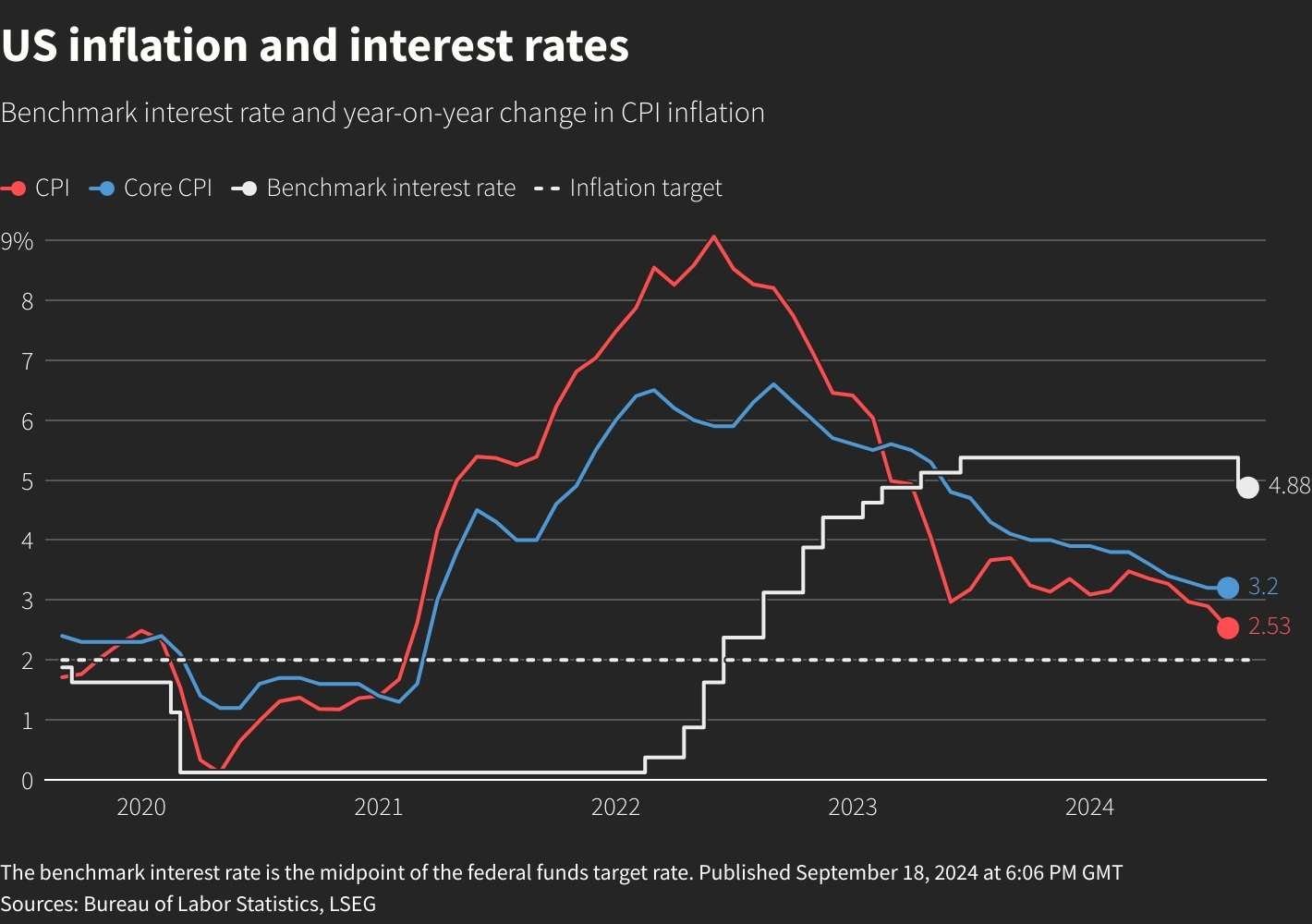

The Federal Reserve interest rate cut anticipated in the upcoming December meeting is capturing the attention of investors and analysts alike. Prominent financial institution Goldman Sachs has stated that this reduction is all but a certainty, driven by current trends in the labor market and a strategic focus on risk management. With softening job numbers contributing to the consensus, the decision to cut rates reflects both economic conditions and a proactive stance on interest rate policy. As the market has already priced in this expected adjustment, anticipation continues to build. In light of these developments, the coming months will be pivotal as the Fed reassesses the economic landscape.

The forecasted decrease in interest rates by the Federal Reserve is anticipated to have significant ramifications across the financial sector. Leading financial analysts have signaled that this strategic move not only addresses current economic challenges but also aligns with broader market dynamics. As indicators such as employment figures exhibit signs of weakness, the dialogue surrounding such monetary policy shifts has intensified. With a focus on sustainable economic growth, stakeholders are keenly observing how these adjustments will influence broader financial strategies and investment trends. Consequently, understanding the intricacies of these changes is crucial for effective risk management moving forward.
Federal Reserve Interest Rate Cut: Implications for the Economy
As analysts from Goldman Sachs project an imminent interest rate cut by the Federal Reserve during the upcoming December meeting, the implications for the broader economy are significant. A cut in interest rates typically aims to stimulate economic growth, encouraging borrowing and spending among consumers and businesses. In light of the recent trends in the labor market, which have shown signs of weakness, such a move could provide the necessary support to boost employment rates and consumer confidence. The anticipation of this rate cut has already been reflected in market pricing, indicating a widespread belief that this adjustment is not only expected but also required to maintain economic stability.
Furthermore, the Federal Reserve’s decision to lower rates comes at a time when risk management has become paramount. The weak labor market trends highlight the fragility of the economic recovery, and the Fed’s commitment to fostering a sustainable growth environment necessitates proactive measures. By reducing interest rates, the Federal Reserve aims to alleviate financial pressure on businesses, allowing them to invest in expansion and hiring without the burden of high borrowing costs. This approach not only strengthens the economy but also positions the central bank as a responsive institution capable of navigating challenging economic landscapes.
Goldman Sachs Predictions About the Federal Reserve’s December Meeting
Goldman Sachs’ Fixed Income, Currency and Commodities (FICC) division has expressed strong confidence regarding the Federal Reserve’s forthcoming interest rate cut in December. Their analysis suggests that the current economic indicators, particularly from the labor market, paint a clear picture of the need for an adjustment in interest rate policy. The firm’s economists have highlighted that with limited data inputs leading up to the meeting, the consensus among market participants on a rate cut reflects a robust understanding of the economic climate, which is characterized by divergent inflation rates and subdued job growth.
In addition, the projections from Goldman Sachs underscore the strategic nature of the Federal Reserve’s decision-making process. By contemplating a rate cut, the Fed can proactively influence labor market trends, which are critical to ensuring that economic momentum is maintained. Analysts believe that following the December cut, the Federal Reserve will likely reassess the economic landscape in January, particularly after reviewing three additional non-farm payroll reports. This careful approach demonstrates the Fed’s commitment to not only managing current economic risks but also to fostering long-term stability through informed fiscal measures.
Understanding Labor Market Trends Ahead of the Federal Reserve’s Decision
Labor market trends play a crucial role in shaping the Federal Reserve’s interest rate policy, and this upcoming December meeting is no exception. Goldman Sachs’ analysis of these trends highlights the importance of employment figures and wage growth in determining the appropriateness of an interest rate cut. Weakness in the labor sector suggests that consumer spending may also be subdued, prompting the Fed to consider lowering rates as a means to stimulate economic activity. Such a response is particularly vital as the U.S. economy faces various challenges, including potential slowdowns in consumer demand.
Moreover, understanding the dynamics of the labor market can help investors and policymakers navigate the implications of the Federal Reserve’s decisions. For instance, if the labor market continues to show signs of deterioration, a rate cut may serve as a buffer against further declines. Goldman Sachs’ view reinforces the notion that timely interventions in monetary policy are essential for sustaining employment levels and ensuring that economic growth does not falter. Thus, stakeholders must keep a close watch on labor reports leading up to the Fed’s December meeting, as these figures could decisively influence policy outcomes.
The Role of Risk Management in Interest Rate Decisions
Risk management is a critical component of the Federal Reserve’s decision-making process, especially when contemplating interest rate cuts. Analysts at Goldman Sachs emphasize that the current economic climate, with its inherent uncertainties, necessitates a careful balancing of monetary policies. When faced with weak labor market performance and other economic indicators, the Fed must strategically assess the potential ramifications of lowering rates. Implementing a rate cut can be viewed as a proactive risk management technique designed to mitigate potential downturns and invigorate the economy.
Furthermore, the concept of risk management in interest rate policy extends beyond immediate economic impact. By signaling a willingness to cut rates, the Fed can instill confidence in investors and consumers alike, which is crucial for maintaining market stability. Goldman Sachs highlights that adopting a risk management perspective allows policymakers to respond adeptly to changing economic conditions while fostering an environment conducive to growth. The complexity of these decisions underscores the multifaceted nature of monetary policy, wherein each action taken is a calculated measure intended to navigate the unpredictable terrain of the economy.
Market Reactions to Proposed Federal Reserve Interest Rate Cut
The anticipation of a Federal Reserve interest rate cut has led to notable market reactions, with analysts at Goldman Sachs attributing this trend to a consensus surrounding the inevitability of a reduction in rates. As investors adjust their strategies in light of expected monetary policy shifts, the financial markets have begun to price in the potential consequences of such a cut. This preemptive movement reflects a broader understanding of the interconnectivity between economic indicators and market dynamics, as the prospect of lower interest rates typically fuels optimism and can drive asset prices upward.
Moreover, market reactions often serve as leading indicators of economic sentiment, revealing how participants perceive future economic conditions. In the case of the anticipated December meeting, many investors are positioning themselves to leverage the opportunities that a rate cut could present. Such adaptations highlight the essential nature of timely economic data, as the market’s response often hinges on the latest labor market statistics and other economic measures. Goldman Sachs’ insights reinforce the idea that understanding these market dynamics is vital for stakeholders aiming to navigate the complex landscape of interest rate policy.
Future Outlook: Interest Rate Policy Beyond December
As the Federal Reserve prepares for its December meeting, the outlook for interest rate policy extends beyond this pivotal point. Goldman Sachs suggests that while the immediate focus is on the anticipated rate cut, subsequent assessments of the labor market will be critical for shaping future monetary policy decisions. The Fed’s inclination to closely monitor economic indicators such as non-farm payroll data will play a substantial role in determining whether additional cuts or adjustments to the rates will be necessary in subsequent months.
Looking ahead, the trajectory of interest rates will likely be influenced by how effectively the labor market rebounds and how inflationary pressures evolve. Analysts emphasize the importance of maintaining a flexible monetary policy that can adapt to evolving economic conditions. Should data post-December indicate a quicker-than-expected recovery in the labor market, the Fed may reassess its strategies, potentially leading to a tightening of monetary policy in the following months. Thus, stakeholders should remain vigilant about upcoming economic reports and their implications for interest rates beyond the December meeting.
Investor Strategies in Response to Federal Reserve Decisions
The anticipated interest rate cut by the Federal Reserve has compelled investors to re-evaluate their strategies in the face of potential changes to monetary policy. Analyst projections from Goldman Sachs underscore that understanding labor market trends and broader economic indicators is essential for making informed investment choices. As rates are likely to decrease, lower borrowing costs may stimulate various sectors, especially in real estate and consumer discretionary, where demand may rebound significantly. Investors are thereby encouraged to identify and seize these opportunities that arise as a response to a more favorable interest rate environment.
In addition to identifying growth sectors, investors must also consider the overarching economic context surrounding the Federal Reserve’s decisions. Effective risk management strategies will be crucial, as factors such as economic data releases and geopolitical tensions can impact market dynamics significantly. Goldman Sachs suggests that a proactive approach, where investors remain agile and responsive to changes in market sentiment stemming from monetary policy adjustments, will be vital for capitalizing on the potential benefits of the Fed’s next steps. This focus on adaptability will allow investors to navigate uncertainties while positioning themselves favorably for future gains.
Conclusion: The Significance of the Federal Reserve’s Upcoming Decisions
The upcoming Federal Reserve meeting in December carries substantial significance for the U.S. economy, as an interest rate cut appears increasingly likely according to Goldman Sachs’ analysis. With labor market trends reflecting a need for intervention and the necessity of effective risk management strategies, the Fed’s decision-making process will be closely scrutinized. Investors, policymakers, and economists alike are poised to gauge the potential ramifications of a rate cut, not just in immediate terms but also in the broader long-term economic landscape.
As we approach December, the importance of understanding the interplay between interest rate policy and economic conditions cannot be overstated. Analysts indicate that the decisions made at this juncture will set the stage for future monetary policy, particularly how the Fed responds to upcoming labor market data. Regardless of the path taken, the Federal Reserve’s actions will undoubtedly shape the market’s direction and the overall economic climate in the months to come. Thus, stakeholders must remain informed and prepared to adjust their strategies in this dynamic environment.
Frequently Asked Questions
What are the implications of the Federal Reserve interest rate cut announced by Goldman Sachs for the December meeting?
The implications of the Federal Reserve interest rate cut, as highlighted by Goldman Sachs, suggest a strong shift in economic strategy due to weak labor market trends. This cut aims to stimulate economic activity by lowering borrowing costs, which could lead to increased spending and investment.
How does the labor market influence the Federal Reserve’s interest rate policy?
The labor market significantly influences the Federal Reserve’s interest rate policy. Analysts from Goldman Sachs have indicated that with current weak trends in the labor market, a Federal Reserve interest rate cut is justified to support economic growth and stability.
What risk management strategies did Goldman Sachs suggest regarding the Federal Reserve interest rate cut?
Goldman Sachs suggested that the upcoming Federal Reserve interest rate cut is a key risk management strategy. They recommend lowering rates now and reassessing the economic landscape after analyzing additional non-farm payroll reports in January to ensure a data-driven approach.
Why is the Federal Reserve interest rate cut considered ‘locked in’ according to Goldman Sachs?
According to Goldman Sachs, the Federal Reserve interest rate cut is considered ‘locked in’ due to a high consensus in the market and the lack of significant economic data leading up to the December meeting, which indicates that the decision is broadly accepted amongst analysts and investors.
What factors led Goldman Sachs to predict a Federal Reserve interest rate cut in December?
Goldman Sachs predicted a Federal Reserve interest rate cut in December based on weak labor market trends and the necessity for effective risk management. The current economic conditions have made a cut a widely supported policy to safeguard economic growth.
How might a Federal Reserve interest rate cut affect consumers?
A Federal Reserve interest rate cut can impact consumers by lowering borrowing costs for loans and mortgages, thereby increasing disposable income and encouraging consumer spending, which, according to analysts at Goldman Sachs, is essential for economic stimulation.
What is the expected timeline for reassessing the Federal Reserve’s interest rate policy after the December cut?
The expected timeline for reassessing the Federal Reserve’s interest rate policy, following the anticipated December cut, includes analyzing three additional non-farm payroll reports in January. This approach will help gauge if the labor market trends improve or require further adjustments.
| Key Points | Details |
|---|---|
| Goldman Sachs’s Prediction | An interest rate cut by the Federal Reserve in December is highly likely. |
| Labor Market Trends | Weak trends in the labor market indicate a need for lower rates. |
| Market Consensus | The market has fully priced in the expectation of a rate cut. |
| Risk Management | A rate cut is considered a suitable policy choice for current conditions. |
| Next Steps | A reassessment will take place in January after non-farm payroll reports are released. |
Summary
The Federal Reserve interest rate cut is now almost a certainty, as affirmed by Goldman Sachs’ analysts. They argue that given the current economic conditions, particularly the weak labor market, a rate cut is the prudent course of action. With a high level of agreement among market participants and a lack of major data before the December meeting, this anticipated cut seems inevitable. Moving forward, the Federal Reserve will likely reassess its approach in January, emphasizing ongoing risk management and responsiveness to economic indicators.