
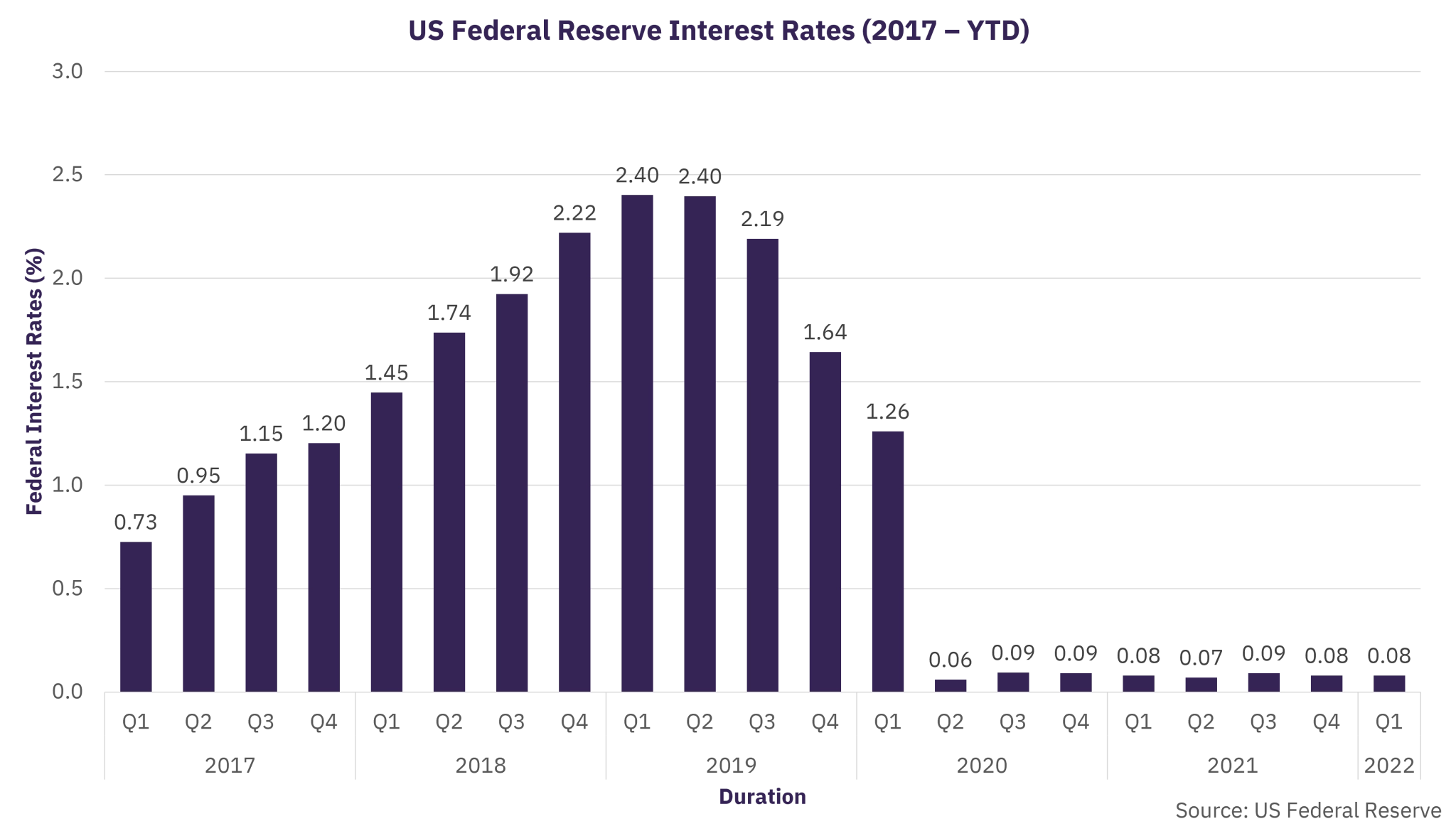

The Federal Reserve’s decision to raise interest rates continues to reverberate across the economic landscape as new forecasts suggest that inflation may not reach the central bank’s targeted level until 2028. This prolonged period of elevated interest rates reflects the Fed’s commitment to combating persistent inflation, which has proven more stubborn than initially anticipated.

In recent months, inflation rates have shown signs of moderation; however, they still fall short of the Fed’s ideal target of 2%. This has led policymakers to adopt a cautious approach, emphasizing the necessity of maintaining a restrictive monetary policy for the foreseeable future. The current landscape illustrates the delicate balancing act the Federal Reserve must perform to ensure economic stability while striving to rein in inflation.
With rates expected to remain high, the implications for consumers and businesses could be significant. Higher borrowing costs may dampen consumer spending and investment, creating a ripple effect throughout the economy. This can particularly impact sectors such as housing and automobiles, where financing is essential. Furthermore, the uncertainty surrounding economic growth prospects as the Fed implements its strategies adds to the complexities faced by market participants.
In summary, while the Fed’s aggressive measures aim to stabilize prices, the timeline for achieving these goals has extended to 2028. As the economic landscape evolves, stakeholders will be closely monitoring policy developments and their broader implications for the economy.
Related: More from Market Analysis | European Central Bank Interest Rates: What to Expect Next? | Tradeweb Markets Financial Performance: A Surprising Growth Story