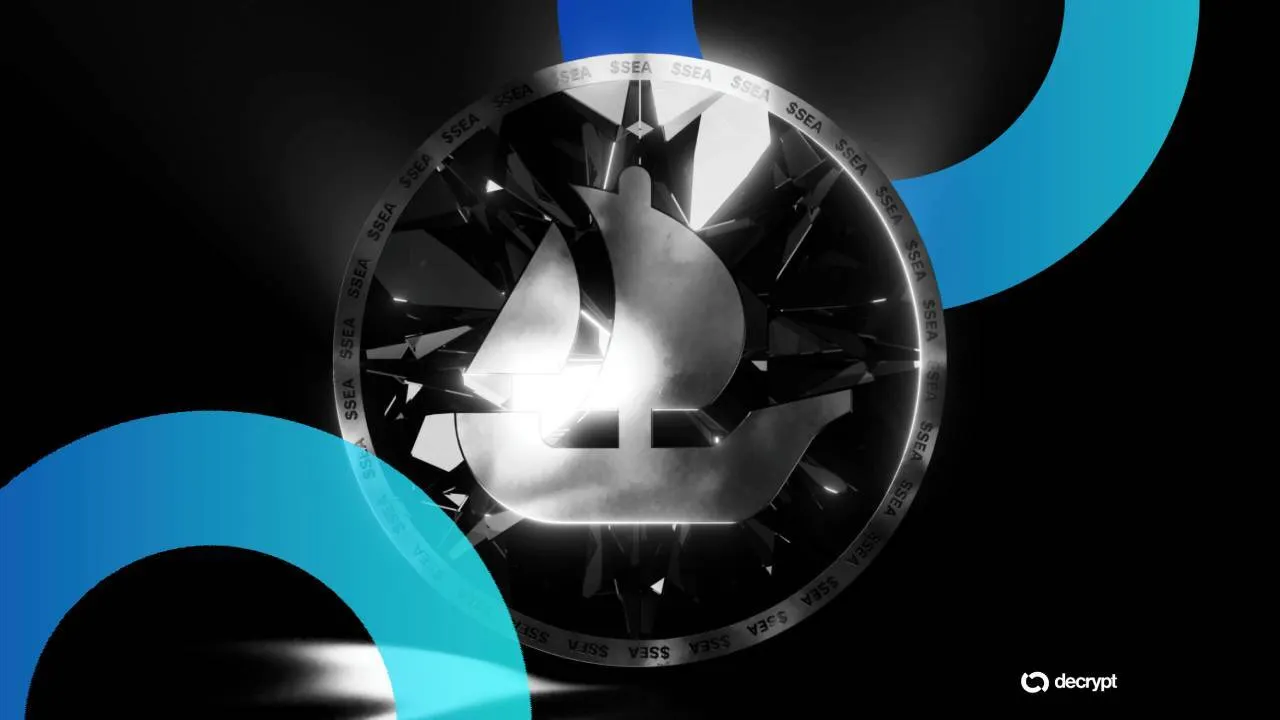

Morning Minute: OpenSea Reveals SEA Platform Launch in Q1 2026 – A Decentralized NFT Marketplace Evolution
In a striking announcement that has set the crypto community abuzz, OpenSea, the leading marketplace for non-fungible tokens (NFTs), has officially declared the impending launch of their new project SEA. Planned for release in the first quarter of 2026, the SEA platform promises to revolutionize the NFT marketplace by introducing more decentralized features and a user-centric approach.

The Advent of SEA
As the NFT market continues to mature, decentralization has become a keynote focus for developers and investors alike. In this vein, OpenSea’s SEA platform is envisioned as a leap towards a more decentralized framework, which could address many of the current concerns around centralization within the market. This could mean significant enhancements in terms of user control and security – key aspects that have been sore points for critics of the current NFT market structure.
What to Expect from SEA
While the specifics of the platform’s features remain mostly under wraps, OpenSea has hinted at a number of groundbreaking attributes. These include increased governance participation by community members, a robust system for creators to receive continuous royalties, and enhanced security protocols to protect against fraud. OpenSea’s announcement also suggests a possible integration of Layer 2 solutions to ensure transactions are faster and more cost-effective, thereby fostering a more inclusive environment for both high-volume traders and casual enthusiasts.
Potential Impact on the NFT Ecosystem
The introduction of SEA could potentially reshape the landscape of the NFT marketplace in several ways. By decentralizing more aspects of the transaction process, OpenSea seems to be promoting a system where power is more evenly distributed among its users rather than concentrated at the top. This shift could make the market more resilient and could enhance the trust of participants in the system.
Moreover, by creating an environment that potentially lowers transaction fees and speeds up processes, SEA could open the door to new participants who were previously daunted by the complex and sometimes costly nature of trading NFTs. This democratization of access could lead to a more vibrant and diversified market.
Community and Industry Reactions
The announcement of SEA has been met with mixed reactions. Many in the crypto and NFT community have expressed excitement about the potential for more democratic and efficient market functions. However, some skeptics point out the challenges of implementing such a decentralized system, particularly concerns related to scalability and security. There’s also a conversation about the impact on existing NFT platforms and whether SEA will disrupt current market dynamics significantly.
Industry experts are closely watching how OpenSea handles these challenges. They are particularly interested in how the platform plans to maintain the delicate balance between decentralization and regulation. As governments and regulatory bodies increase their scrutiny of the crypto and NFT spaces, how SEA adapts to meet these regulations while still promoting a decentralized agenda will be crucial for its success.
Looking Forward
As we move closer to the Q1 2026 launch date, the industry anticipates more detailed updates from OpenSea about the SEA platform. For a market that is constantly evolving, the introduction of SEA represents a significant step towards what could be a new era for the NFT marketplace. Both creators and collectors should prepare for changes that might redefine notions of ownership, trading, and community participation in the digital age.
In sum, the SEA initiative by OpenSea could signify the dawn of a more robust and equitable NFT marketplace. Whether this vision will be achieved remains to be seen, but the path towards it will undoubtedly be closely watched by stakeholders across the crypto universe.
Concluding Thoughts
With the NFT sector still in its relative infancy, the launch of OpenSea’s SEA platform might provide it with a much-needed shift towards decentralization that could lead to broader adoption and greater innovation. As we watch and wait, the potential for SEA to set new benchmarks for the NFT marketplace hangs promisingly on the horizon, poised to redefine digital asset exchanges.