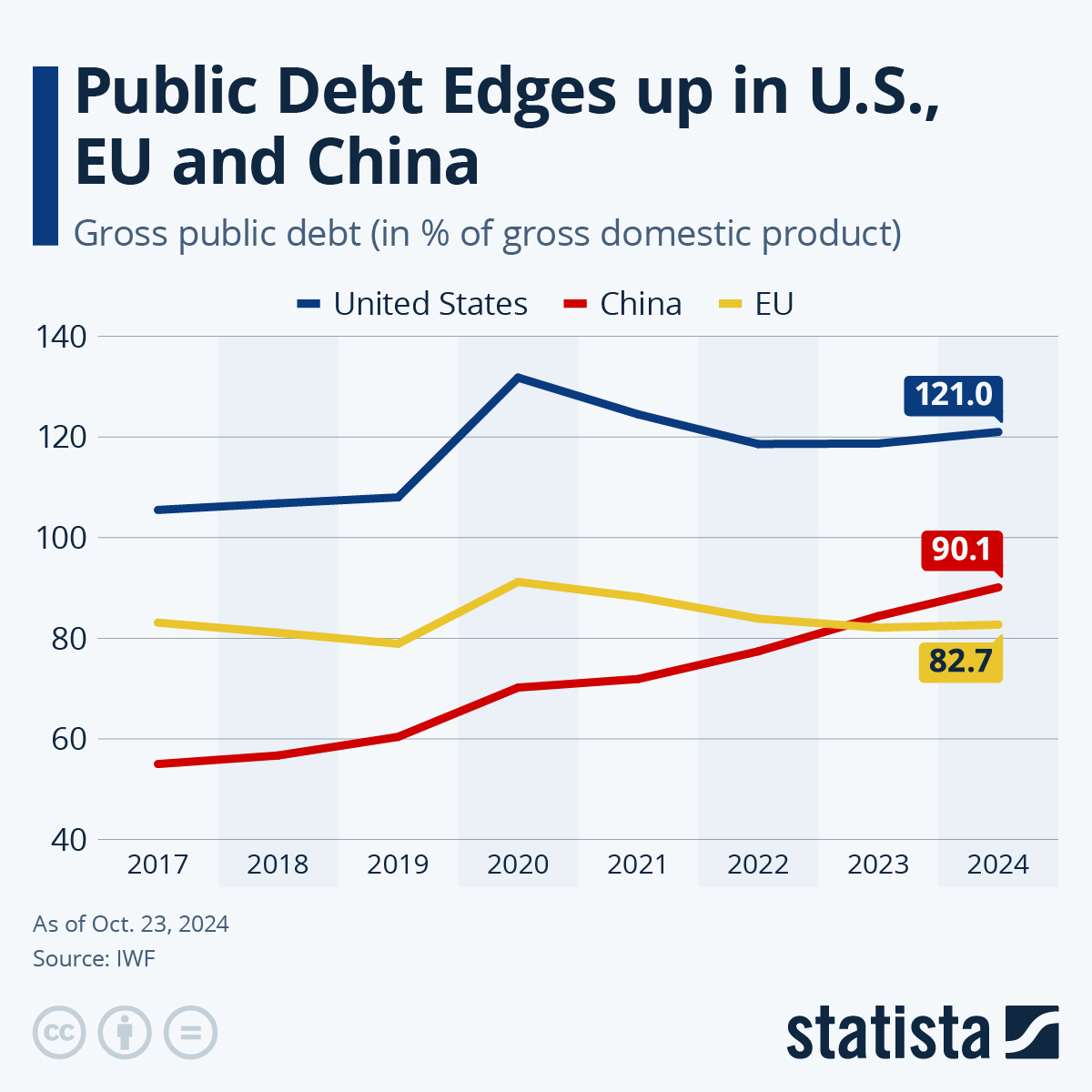

Europe’s consideration of offloading US debt has emerged as a prominent topic amid rising geopolitical tensions. As the US pursues aggressive strategies regarding Greenland, European policymakers are weighing the possibility of selling off their substantial US Treasury holdings. This drastic move could alter the landscape of US financial markets and affect stablecoin demand, especially as the EU explores its response to US policies. With trillions invested in US assets, the implications of such an action extend beyond Europe, potentially destabilizing the US financial system itself. As discussions around EU debt offloading continue, the interplay between European actions and US Treasury markets remains critical to understanding the evolving global economic dynamics.
The dialogue around Europe’s potential divestment from US assets highlights a crucial moment in international finance. As tensions rise, European nations are exploring strategies to counteract perceived US aggression, which includes the dramatic prospect of liquidating a portion of their US debt holdings. Such a decision could breathe life into alternative markets but would also raise significant questions about the stability of the existing financial ecosystem. With a significant amount of US Treasury securities held in European portfolios, the ramifications of any major shifts could ripple through the global economy. This scenario underscores the intricate relationship between geopolitical economics and the evolving landscape of debt investment.
| Key Points | |
|---|---|
| Background & Tensions | European leaders are considering selling US debt due to geopolitical tensions surrounding Greenland and US policies. |
| Potential Strategies | Strategies include the ‘trade bazooka’ to cut off US market access and offloading US debt. |
| Challenges to Selling US Debt | There are significant obstacles including the dependence on private entities holding US Treasurys and limited alternative safe investments. |
| Market Dynamics | The size of US capital markets and a lack of alternative buyers pose challenges for selling off US debt. |
| Impact of Stablecoins | Stablecoin issuers are becoming major buyers of US debt, adding complexity to the landscape. |
| Geopolitical Outlook | Divisions among allies could impact US debt markets amidst escalating tensions. |
Summary
Europe US debt is a focal point in discussions regarding the geopolitical tensions between Europe and the United States, particularly in the context of Greenland. While some European policymakers contemplate selling off US debt as a reaction to US aggression, practical challenges abound, including reliance on private investors and a lack of alternative investments. The potential economic implications of such moves make the future of Europe US debt a complex and delicate issue, as both sides navigate evolving political and market dynamics.
The Implications of EU Debt Offloading
The idea of Europe offloading US debt has sparked considerable debate among policymakers and economists alike. While the notion is grounded in a desire to assert independence from US economic influence, the implications of such a move could reverberate throughout global markets. Offloading US debt might lead to a significant depreciation of the dollar, which could, in turn, trigger high inflation within the United States. According to financial analysts, this drastic measure could create instability not only in the US economy but also in the EU’s own financial landscape, as both regions are deeply intertwined.
Furthermore, the timing of any offloading will be crucial. With increasing geopolitical tensions, such as those revolving around Greenland’s status, the potential for immediate economic retaliation from the US remains a significant concern. Analysts argue that any large-scale sale of US debt could provoke the US government to implement protective trade measures against Europe, further escalating tensions. This interconnectedness of financial dependencies underscores the complexity of the proposal and the difficult choices facing European leaders.
Challenges in Unloading US Treasurys
Despite the theoretical feasibility of selling US debt, practical realities pose significant hurdles. A key concern is the liquidity of the US Treasury market, which is often hailed for its relative stability and safety compared to other investments. Analysts have pointed out that finding buyers capable of absorbing large amounts of US assets, particularly in a market increasingly wary of economic sanctions, could be a substantial challenge. Moreover, given the significant holdings by private entities like pension funds and hedge funds in Europe, any attempt to offload US bonds would necessitate convincing these investors to part with their assets, an unlikely scenario under present conditions.
Additionally, the decline in interest among traditional buyers such as China complicates the situation even further. As geopolitical tensions rise, nations are reassessing their dependency on US assets. The risk of a liquidity crunch in US Treasury markets could be exacerbated by a large-scale sell-off, leading to unfavorable market conditions, including rising yields and diminishing confidence in the dollar.
The Role of Stablecoins in US Debt Market
In recent years, stablecoins have emerged as pivotal players in the US debt market, acting as significant purchasers of US Treasurys. The requirement for stablecoin issuers to back their digital assets with dollar reserves, including Treasurys, fortifies the demand for US debt instruments. This trend not only signals the growing intersection between digital finance and traditional finance but also underscores the importance of maintaining a robust US Treasury market. If the appetite for stablecoins continues to rise, their contributions could help stabilize the Treasury market even in the face of potential offloading by European nations.
However, reliance on stablecoin demand comes with inherent risks. The market has witnessed liquidity shocks in recent periods, highlighting vulnerabilities that could arise if stablecoin issuers face challenges. Should European nations aggressively sell off US Treasury holdings, the resulting decrease in demand could negatively impact stablecoin issuers’ ability to maintain liquidity, thereby affecting their operational credibility. Furthermore, any instability within stablecoin markets could result in further volatility for US Treasurys, significantly impacting the overall financial system.
Geopolitical Tensions and Financial Strategies
As geopolitical tensions rise, particularly concerning economic policies and territorial disputes, European nations are examining a spectrum of financial strategies. This includes potential responses to perceived US aggressiveness through means such as trade barriers or the offloading of US debt. The concept of employing a ‘trade bazooka’—a significant cut to US access to EU markets—adds a layer of complexity to the discussion. Countries are grappling with how these responses could alter established economic relationships and the broader financial environment.
The strategic allure of offloading US debt stems from the desire to regain economic autonomy; however, the repercussions of such actions are yet to be fully realized. Leaders must navigate the intricate dance of national interest and global economic stability. Making a move to sell US debt might initially show strength, but the long-term implications could signify increased isolation and disruption within both economies, ultimately affecting global economic systems.
The Future of the US Treasury Market
Looking ahead, the future of the US Treasury market remains uncertain as various factors contribute to evolving demands and dynamics. The increasing possibility of European nations diverging from traditional financial strategies could indicate a shift toward decentralization, which raises questions about the viability of US Treasury bonds as the primary global ‘safe haven’ investment. Continued scrutiny of the dollar’s role in international trade could lead to further adjustments in market conditions.
Strategists highlight that the adaptation of new financial instruments and increasing diversification of portfolios could redefine the investment landscape. As countries seek alternatives to US debt, understanding these trends will be critical for investors and policymakers alike. The challenge will be to maintain liquidity and confidence in the Treasury markets amidst shifting geopolitical tides and changing investor attitudes.
Leveraging US Debt in a Multipolar World
In an increasingly multipolar world, the notion of leveraging US debt takes on new repercussions for international relations and trade dynamics. The potential for Europe to utilize US Treasury holdings as leverage—which may include selling off portions of their debt—could easily become a focal point of geopolitical strategy. This highlights the need for diversification and maintaining alternative investments as European nations cautiously assess their ability to navigate tangled alliances.
However, the thought of leveraging current debt holds significant risks, as doing so may strain critical relationships between major economies, including the US and Europe. The interconnectedness of financial systems today means that any move towards questioning established norms, such as the widespread acceptance of US Treasury bonds, needs careful consideration to avoid unintended consequences.
The Fragility of Global Financial Relationships
The fragility of the global financial relationships, particularly in times of crisis, is underscored by the current discussions surrounding the potential sell-off of US debt by Europe. Reactions may be swift and unpredictable, as seen during previous economic downturns when sudden shifts in market confidence can lead to widespread financial consequences. The potential rift between the US and European nations over financial strategies adds volatility to an already complex situation.
The core challenge lies in balancing national interests with global stability. While some European leaders may view the selling off of US debt as a mechanism of asserting economic independence, the consequent risks could create instability not only for the US economy but also for the global financial system. Leaders must navigate these complex dynamics while striving to maintain financial relationships that have stood the test of time.
Assessing the Risks of Offloading US Debt
As European leaders weigh the decision to offload US debt as a tactical response to perceived US aggression, it is imperative to assess the risks involved. Not only could this action destabilize the dollar, but it may also hinder the broader financial ecosystem that depends heavily on US Treasury bonds. Economists suggest that such a significant move could incite retaliation from the US, potentially leading to trade wars or other economic ramifications that would not favor Europe.
Moreover, the intricate relationship between US debt and global capital markets must be thoroughly considered. With the volume of US debt held by European financial institutions, the repercussions of a large-scale sell-off could trigger contagion effects across various financial markets, potentially leading to a systemic crisis. Hence, any decision regarding US debt offloading must be not only strategic but also cautious, ensuring that it does not provoke a financial backlash.
Navigating the Future of US and EU Economic Relations
As the discussions around US debt offloading intensify, the path forward for US and EU economic relations remains fraught with challenges. The financial landscape is increasingly marked by uncertainty as leaders attempt to navigate the intersection of geopolitical tensions and economic partnerships. For both regions, fostering collaboration while preparing for unexpected outcomes will be essential to ensure sustainable economic growth.
Looking ahead, a balanced approach that considers the perspectives of both parties may help to mitigate tensions and foster more stable economic relations. Diplomatic efforts that prioritize open communication can promote transparency, helping to alleviate some of the fears surrounding economic strategies that could disrupt longstanding alliances. Ultimately, the capacity for both the US and EU to adapt to these complexities will shape the future of their economic dynamics.
Frequently Asked Questions
Can Europe sell US debt to counter US aggression?
Yes, there has been discussion among some European policymakers about the possibility of selling off US debt as a response to US aggression, especially related to geopolitical tensions involving regions like Greenland. However, the practical implications of such a move are complex and involve significant challenges.
What are the implications of EU debt offloading on US Treasury markets?
If Europe were to offload its US debt holdings, it could disrupt US Treasury markets significantly. A large sale could lead to a depreciation of the dollar and increased inflation, as highlighted by financial analysts. The US relies on foreign investment to fund its debt, and any major shift in European holdings could pose challenges.
Could geopolitical tensions influence stablecoin demand for US Treasurys?
Yes, rising geopolitical tensions may influence the demand for stablecoins, which are increasingly backed by US Treasurys. If Europe reduces its exposure to US debt, this could impact the liquidity and attractiveness of US Treasury markets, further intertwining the fate of stablecoins and US debt.
What challenges do European nations face when considering US debt offloading?
European nations face various challenges including the enforcement of debt sales and the limited number of alternative investments. Most of the US debt is held by private entities, making it difficult for governments to alter these holdings quickly.
Who are the major buyers of US debt in Europe?
In Europe, major buyers of US debt include private institutions like pension funds, banks, and hedge funds rather than governments. This complicates any potential plans for European leaders to sell off US debt as it requires cooperation from these private entities.
Is there a risk associated with stablecoin issuers’ investment in US Treasurys?
Absolutely. While stablecoins have emerged as significant buyers of US debt, reliance on them poses risks. A liquidity crisis for stablecoin issuers could create shocks in US Treasury markets, endangering the perceived stability of these securities.
How might the global economic landscape change if Europe were to dump US debt?
Dumping US debt by Europe could lead to a drastic shift in the global economic landscape. It would likely lead to a weaker dollar and heightened volatility in financial markets, impacting both the US economy and global trade dynamics.
Are there alternative markets to US Treasury bonds for European investors?
Currently, alternative markets to US Treasury bonds are quite limited. Although other countries like Germany issue debt, their markets are significantly smaller, making it difficult for investors to find equally secure investment opportunities.
What role do geopolitical tensions play in the future of US debt?
Geopolitical tensions are increasingly influencing the future of US debt. As nations assess their economic strategies in response to U.S. policies, large-scale changes in debt holdings could reshape the dynamics of global investment and financial stability.
What risks does a reduction in European holdings of US debt pose?
A significant reduction in European holdings of US debt could result in liquidity shortages in US Treasury markets and potential loss of confidence in the US financial system. This could lead to higher borrowing costs and increased volatility in US capital markets.
Related: More from Regulation & Policy | Anthropic Completes 0 Billion Funding Round, Valuing Company at 80 Billion | Gold Market Speculation: What Treasury Secretary Bessent Says