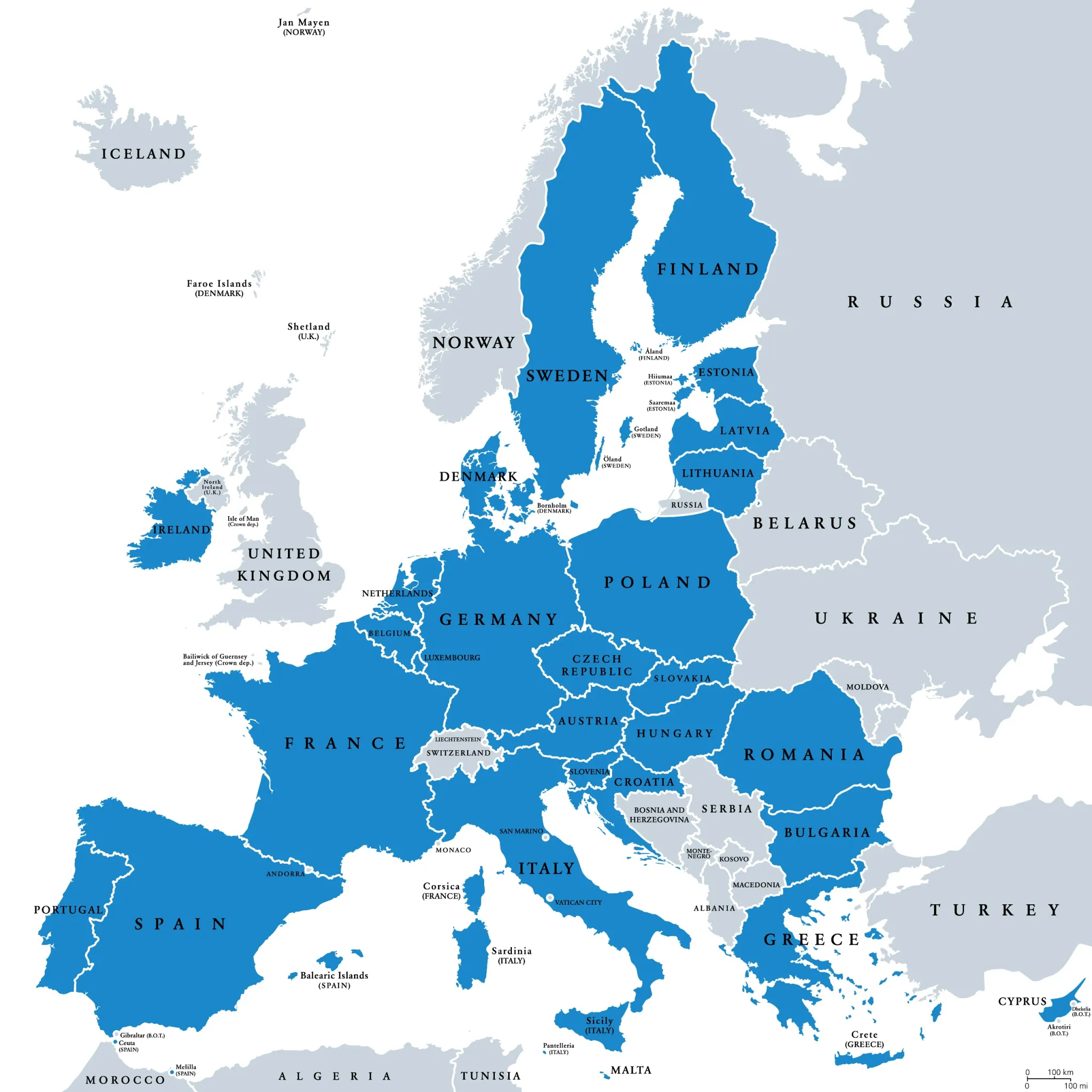

In a bold move aimed at protecting its domestic steel industry, the European Union has proposed to double the steel import tariff rate to 50%. This significant increase comes as part of broader efforts to combat unfair trade practices and safeguard local jobs against cheaper foreign imports.
The backdrop of this proposal is a growing concern among EU member states about the influx of low-cost steel from countries like China, which has been accused of dumping products at prices that undercut local manufacturers. The EU’s current tariff rate stands at 25%, but with the proposed hike, officials hope to create a more level playing field for European steel producers who have been struggling to compete.
This decision is not without controversy. While proponents argue that higher tariffs will bolster the local economy and protect jobs, critics warn that such measures could lead to retaliatory tariffs from trading partners, potentially escalating into a trade war. Additionally, higher tariffs may result in increased prices for consumers and industries reliant on steel, such as construction and automotive sectors.
As the EU moves forward with this proposal, it will be crucial to monitor the reactions from both domestic stakeholders and international partners. The outcome could reshape the landscape of the steel industry in Europe and influence global trade dynamics in the years to come.
Related: More from Regulation & Policy | US Court Sets Deadline for Sam Bankman | WLFI Cryptocurrency Investigation: What House Democrats Uncover