


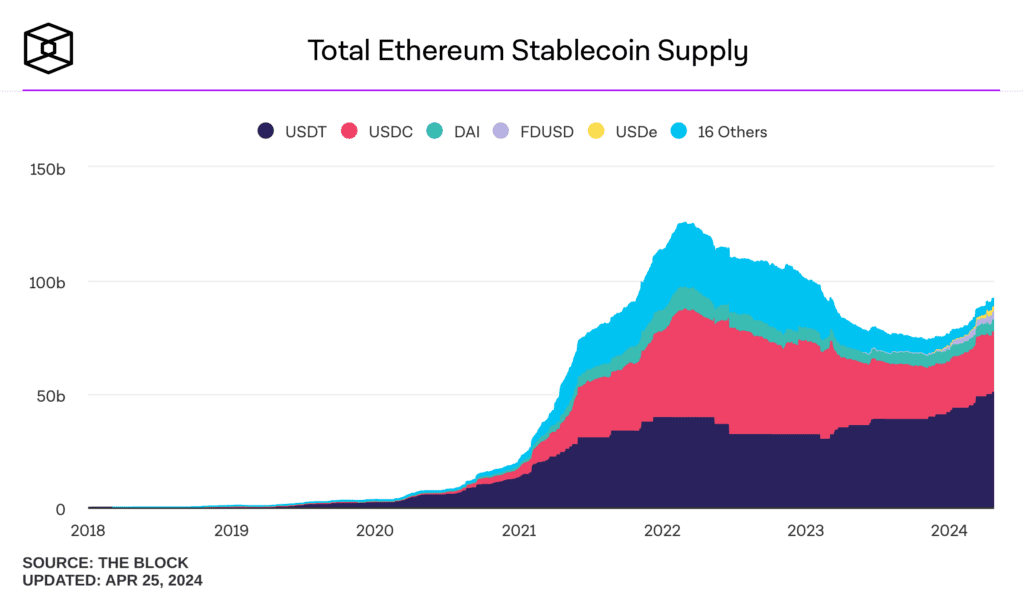

Ethereum stablecoin is becoming increasingly vital in today’s evolving financial landscape, championed by figures like Vitalik Buterin, who advocates for a more robust decentralized stablecoin system within the Ethereum ecosystem. As the demand for reliable digital currencies grows, decentralized stablecoins offer an essential alternative to traditional fiat options, promising stability and transparency. However, Buterin highlights significant challenges that must be addressed, such as creating a value index that outperforms the dollar’s price peg and developing a decentralized oracle that minimizes large capital influence. Furthermore, the intricate relationship between staking yields and stablecoin mechanisms, including collateralized debt positions (CDPs), must be reconsidered to ensure long-term sustainability. As decentralized finance continues to grow, the need for an effective stablecoin system becomes increasingly crucial, promising to reshape the future of the Ethereum network and beyond.

In the realm of cryptocurrency, the concept of an Ethereum-based digital currency that maintains a stable value, commonly referred to as a decentralized stablecoin, is gaining traction. This innovative approach is seen as essential for fostering trust and stability in the volatile markets of decentralized finance. Thought leaders like Vitalik Buterin emphasize the necessity for a more mature framework to support these stable digital assets effectively. Addressing core challenges such as the dependency on traditional fiat currencies and the influence of external capital is crucial to unlocking the full potential of this new financial paradigm. As discussions around stablecoin alternatives evolve, the Ethereum ecosystem stands at the forefront of this transformative movement.
The Need for a Mature Decentralized Stablecoin System
The emergence of decentralized stablecoins has become an essential discussion point within the Ethereum ecosystem, especially as Vitalik Buterin highlights the pressing need for a more sophisticated stablecoin system. In his recent statements, he identifies critical areas for improvement that can elevate these cryptocurrencies to a level where they can function effectively in decentralized finance (DeFi). The goal is to develop a stablecoin that not only maintains its value against the dollar but also integrates a value indexing mechanism that offers greater stability and growth potential.
Building a mature decentralized stablecoin system involves addressing the vulnerabilities that traditional stablecoins face. For example, issues such as price manipulation by significant players and the reliance on centralized oracles must be tackled to ensure fair and reliable valuation. Strengthening the foundational aspects of these financial instruments would enhance their stability and promote wider adoption across the Ethereum ecosystem, thereby reinforcing the fabric of DeFi as a whole.
Ethereum Stablecoin: The Future of Decentralized Finance
Ethereum stablecoins hold tremendous promise for the future of decentralized finance by providing a stable medium of exchange that reduces volatility, which is often a barrier for users engaging with cryptocurrencies. Vitalik Buterin emphasizes the importance of innovation in this area, which could significantly impact how stablecoins interact within the existing financial landscape. By fostering a more resilient stablecoin system, users may find themselves with greater options when it comes to staking and yield generation without the incessant worry of impermanent loss.
Moreover, the integration of Ethereum stablecoins into decentralized applications has the potential to empower users by allowing seamless transactions with minimal friction. This progress not only enhances user experience but also creates opportunities for developers to innovate new financial products within the decentralized finance space. As the Ethereum ecosystem continues to evolve, the establishment of a robust stablecoin framework could serve as a pivotal factor in driving broader adoption of DeFi solutions.
Vitalik Buterin’s Vision for Decentralized Oracles
Vitalik Buterin’s vision for a decentralized stablecoin system necessitates the development of oracles that are immune to outside influences, particularly from large capital players. A decentralized oracle design is crucial for the stability of any cryptocurrency that aims to maintain a consistent price point. By ensuring that these oracles operate independently, the risk of manipulation is reduced, thereby enhancing user trust and confidence in the Ethereum ecosystem’s stablecoins.
Implementing decentralized oracles will likely involve innovative solutions and technologies that can ascertain pricing data from multiple non-centralized sources. This could lead to a more robust stablecoin system where values are not just pegged to the dollar but are dynamically adjusted based on real-time market conditions. Consequently, this approach would align with Vitalik’s vision of a sustainable and resilient financial ecosystem within the realm of decentralized finance.
Staking Yields vs. Stablecoins: A Competitive Landscape
The competitive relationship between staking yields and stablecoins is a topic of great interest among users within the Ethereum ecosystem. Vitalik Buterin has pointed out that this dynamic must be understood and addressed for a stablecoin system to thrive. Users often prioritize high staking yields, which can be tempting when compared to the relatively stable returns from holding stablecoins. Therefore, focusing on the development of incentives that balance these two aspects will be critical for greater engagement in decentralized finance.
For a successful stablecoin framework to emerge, mechanisms must be established that offer both liquidity and yield. This means that stablecoins should not only provide a safe harbor from volatility but also be competitive enough to draw in users who are seeking profitable staking opportunities. By innovating in this space, developers can create a stablecoin system that meets the diverse needs of the cryptocurrency community while bolstering the overall growth of decentralized finance.
Reducing Dependence on Fiat Currency Systems
One of Vitalik Buterin’s key points is the necessity of diminishing long-term reliance on fiat currencies to bolster the resilience of the Ethereum ecosystem. While short-term acceptance of the dollar or other fiat currencies may be pragmatic, building a stablecoin system that operates independently could lead to greater financial sovereignty. This shift toward decentralized solutions aligns with the broader principles of cryptocurrency and decentralized finance, where autonomy and self-sufficiency are prioritized.
As the Ethereum ecosystem moves forward, facilitating the creation of stablecoins that can operate without direct ties to traditional fiat systems will be paramount. By developing cryptocurrencies that maintain stable value across diverse market conditions, users will increasingly have the opportunity to engage in transactions that reflect their financial goals without being tethered to the volatility of fiat currencies. This evolution of stablecoins could ultimately reshape how value is stored and exchanged, catalyzing a new era of financial independence.
The Future Potential of Decentralized Stablecoins
The concept of decentralized stablecoins represents the next frontier in the evolution of the Ethereum ecosystem. With empowered governance mechanisms and community-driven developments, these stablecoins could introduce innovative financial solutions that not only compete with traditional banking systems but also offer enhanced security features. The success of this model rests on addressing the core issues identified by Vitalik Buterin, paving the way for a more sustainable and resilient system.
As we look toward the future, the integration of decentralized finance elements with stablecoins will continue to transform how users engage with cryptocurrencies. With ongoing innovation and collaborative efforts from the Ethereum community, the potential for decentralized stablecoins to revolutionize personal finance and financial markets remains vast. Striving for excellence in this sector will ensure the longevity and relevance of the Ethereum ecosystem within the rapidly growing landscape of digital finance.
Challenges in Creating a Stablecoin System
Despite the promising prospects of decentralized stablecoins within the Ethereum ecosystem, significant challenges remain in their development. As Vitalik Buterin outlines, establishing a robust framework that ensures both stability and decentralization requires overcoming various technical and operational hurdles. These challenges include integrating effective governance frameworks, ensuring liquidity, and managing user incentives to prevent dominance by large stakeholders.
Addressing these challenges is essential for the sustainable advancement of decentralized finance. Developers must collaborate to create innovative solutions that meet the demands of the market while adhering to the principles of decentralization. This cooperative approach is crucial in building trust within the community, encouraging widespread adoption, and ultimately laying the groundwork for a successful stablecoin system.
The Role of Decentralized Finance in the Stablecoin Ecosystem
Decentralized finance plays a pivotal role in shaping the future of stablecoins, especially within the Ethereum ecosystem. By offering financial services without the need for intermediaries, DeFi lends itself to developing more inclusive and accessible financial products, including stablecoins. As the community advocates for mature decentralized stablecoin systems, the integration of these products into DeFi is proving essential for driving user engagement and investment.
As new decentralized finance projects emerge, they present opportunities to test and refine stablecoin implementations, ensuring they meet the needs of users in diverse contexts. Embracing the power of decentralized finance is key to boosting the resilience of stablecoin systems, meeting Vitalik Buterin’s call for a stronger, more adaptable framework that supports the Ethereum ecosystem’s long-term growth.
The Importance of User Trust in Decentralized Stablecoins
User trust is fundamental in the adoption and success of any financial system, and this rings particularly true for decentralized stablecoins. As Vitalik Buterin suggests, creating a stablecoin environment that users can trust will require transparent mechanisms and clear advantages over traditional fiat-backed stablecoins. Building this trust will be paramount to convince users to engage with decentralized finance and explore the benefits that Ethereum stablecoins can offer.
Establishing trust can be achieved through effective communication of the mechanisms by which stablecoins operate, detailing the technology behind decentralized oracles and the safeguards in place to protect users from manipulation. Therefore, by aligning the interests of all stakeholders and focusing on reliability, the Ethereum ecosystem can foster a culture of trust that encourages growth and stability in decentralized finance.
Frequently Asked Questions
What is an Ethereum stablecoin and how does it fit into the decentralized finance ecosystem?
An Ethereum stablecoin is a type of cryptocurrency that aims to maintain a stable value by pegging its price to a reserve asset, usually a fiat currency like the US dollar. It plays a crucial role in the decentralized finance (DeFi) ecosystem by providing a stable medium of exchange and a store of value, essential for lending, trading, and other financial activities.
How did Vitalik Buterin influence the development of decentralized stablecoins in the Ethereum ecosystem?
Vitalik Buterin, co-founder of Ethereum, has highlighted the need for more mature decentralized stablecoin systems within the Ethereum ecosystem. He proposes solutions to core challenges, such as creating a value index exceeding the dollar, finding ways to design decentralized oracles, and addressing the relationship between staking yields and stablecoins.
What are the core issues Vitalik Buterin identified regarding the Ethereum stablecoin system?
Vitalik Buterin identified three major issues with the current Ethereum stablecoin system: 1) an urgent need for a stable value index that surpasses the dollar peg, 2) a robust decentralized oracle design that can withstand large market influences, and 3) the necessity to address the competitive dynamic between staking yields and stablecoin systems.
Why is it important to reduce reliance on a single fiat currency system for Ethereum stablecoins?
Reducing reliance on a single fiat currency system, like the US dollar, is essential for enhancing the resilience of the Ethereum stablecoin ecosystem. This diversification helps mitigate risks associated with fiat currency instability and contributes to a more robust decentralized finance landscape.
What role does decentralized oracle design play in the stability of Ethereum stablecoins?
Decentralized oracle design is crucial for the stability of Ethereum stablecoins as it ensures the integrity of price data without manipulation by large capital. This design helps maintain accurate valuations of assets, which is vital for the operation of decentralized stablecoins and their trustworthiness within the Ethereum ecosystem.
How might the competitive relationship between staking yields and stablecoins affect users in the Ethereum ecosystem?
The competitive relationship between staking yields and stablecoins can affect users by influencing their investment strategies. If staking yields are significantly higher than stablecoin returns, users might prefer staking for higher returns, which can lead to reduced liquidity and usage of stablecoins in the decentralized finance ecosystem.
What are decentralized stablecoins, and how do they differ from traditional stablecoins?
Decentralized stablecoins are cryptocurrencies that maintain their value without relying on a central authority or reserve currency, unlike traditional stablecoins that are typically backed by fiat reserves. These decentralized options leverage smart contracts and algorithms to ensure price stability, enhancing their integration within the Ethereum ecosystem.
| Key Point | Description |
|---|---|
| Urgent Need for a Mature Stablecoin System | Vitalik Buterin emphasizes the need for a well-structured decentralized stablecoin in the Ethereum ecosystem. |
| Value Index exceeding Dollar Peg | A stablecoin should aim for a value index that is not strictly pegged to the dollar to provide stability against inflation and market fluctuations. |
| Decentralized Oracle Design | An oracle system that is robustly decentralized to prevent manipulation by wealthy players is critical for maintaining the reliability of the stablecoin. |
| Addressing Staking Yields vs Stablecoins | The interaction between the yields from staking on Ethereum and the stability of stablecoins needs to be harmonized to encourage both systems’ growth. |
| Long-term Currency Dependence | While a temporary reliance on the dollar is acceptable, Ethereum’s future aims to foster resilience by diversifying away from a single fiat currency. |
Summary
Ethereum stablecoin is being recognized as a vital component for the future of decentralized finance. Vitalik Buterin’s insights highlight the essential areas that require improvement for these stablecoins to perform effectively within the broader financial ecosystem. By addressing the need for a better value index, implementing decentralized oracles, and resolving the competitive dynamics with Ethereum staking, the foundation can be laid for a more stable and resilient Ethereum stablecoin system.
Related: More from Ethereum News | Google Cloud, MoneyGram Join New Privacy Network Bank Initiative | Ethereum Network Transactions Hit New Record: What It Means for You