

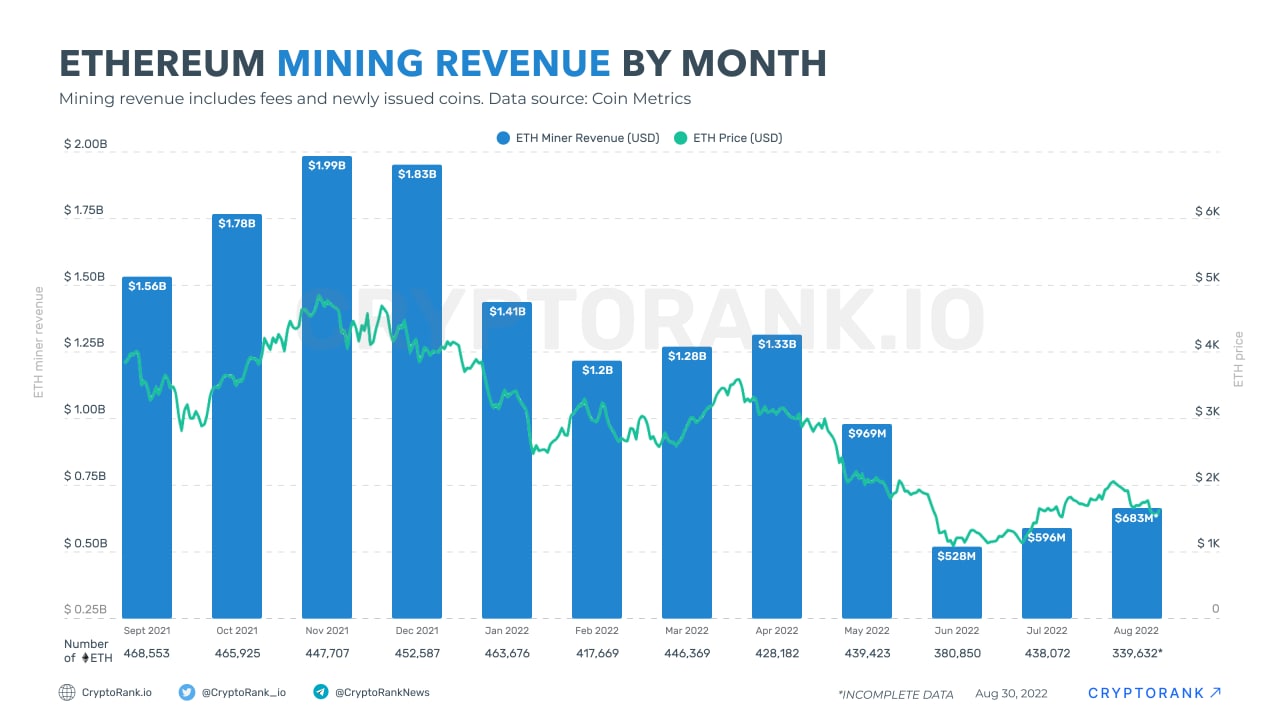

The Ethereum network has made headlines recently due to a significant revenue loss, totaling over $100 million, despite witnessing unprecedented operational growth in 2025. This paradox highlights Ethereum’s strong performance within the decentralized finance (DeFi) sector while struggling to maintain its economic stability, with its inherent token, ETH, experiencing a 10% decline year-to-date. Layer-2 networks, designed to streamline transactions and reduce costs, contributed to this decline as they shifted from being major fee payers to retaining profits for their operations. Consequently, this has decoupled Ethereum’s revenue from the increased utility and popularity of its blockchain, revealing the challenges it faces amid soaring network fees and reduced income streams. As the Ethereum token investment landscape evolves, the implications of this revenue loss raise critical questions about ETH’s price performance and the future of network growth.

In the realm of blockchain technology, Ethereum stands as a pivotal player, yet the recent financial downturn it faces has sent ripples through the cryptocurrency community. Known for its robust DeFi ecosystem, the platform’s economic framework is undergoing a vital transition, marked by a notable decline in revenues attributed to reduced transaction fees from Layer-2 solutions. As these alternative scaling networks flourish, retaining earnings that once flowed to the Ethereum mainnet, the core blockchain’s profitability has been compromised. This shift raises essential considerations for investors, as Ethereum grapples with maintaining its position as a leader amidst changing market dynamics. With its longstanding dominance in DeFi at stake, the future remains uncertain as the network adapts to a low-fee environment.
The Decline of Ethereum Revenue: A $100 Million Sacrifice
In 2025, Ethereum experienced an unprecedented operational year, yet paradoxically, it also reported a staggering revenue decline of over $100 million. This financial downturn is largely attributable to the transformational effects of the Dencun upgrade, which effectively lowered transaction fees on the network and resulted in a significant loss of revenue generated from Layer-2 networks. Previously, Layer-2 operators contributed approximately 41% of their revenue to the main Ethereum blockchain, but this figure dramatically plummeted to less than 10% in the current year. This turnaround reveals a new paradigm in Ethereum’s revenue structure, where the network priorities have shifted toward long-term user affordability over immediate financial gain.
As Ethereum’s Layer-2 networks, designed to enhance scalability and cut costs, subsidize lower transaction fees, the amount of capital routed back to the mainnet has drastically dwindled. While this sacrifice may pave the way for sustainable growth and user acquisition in the crypto space, it raises questions about the long-term viability of Ether as an investment amid high operational utility but declining direct economic benefits to the network itself.
The inversion of revenue dynamics signifies a strategic pivot for Ethereum as it attempts to retain its competitive edge in an ever-evolving blockchain landscape. By embracing this approach, Ethereum likely aims to cement its dominance in the decentralized finance (DeFi) sector, which accounted for 64% of the total value locked across DeFi applications as of 2025. This focus on securing a foothold in the versatile DeFi landscape underscores the importance of continuously adapting to technological advancements while navigating revenue decline. It paints a picture of a network willing to adjust its financial model to enhance its long-term ecosystem viability.
Market Dynamics Affecting Ethereum Token Investment
Despite the Ethereum blockchain achieving unprecedented operational success, its token, Ether (ETH), has not reflected this growth, leading to a challenging investment climate. With ETH prices down 10% year-to-date, this divergence indicates that operational improvements, such as increased transaction throughput and DeFi dominance, are not translating into higher token valuations. This dissonance can be attributed to the lowered revenue from transaction fees, which previously acted as a strong driver for ETH investment through deflationary mechanics that benefited token holders. As transaction costs dipped to record lows, the traditional correlation between network activity and ETH price has been disrupted, prompting investors to reconsider their strategies.
The market’s negative sentiment toward ETH in 2025 is further compounded by its underperformance against Bitcoin, which adds to the uncertainty surrounding Ether as a viable investment. Investors face a complex landscape as they navigate between the established benefits of Ethereum’s growing ecosystem and the troubling signals reflected in the token’s valuation. Analysts suggest that while Ethereum maintains its foundational role in DeFi and broader blockchain applications, the current market conditions necessitate a keen examination of Ether’s price trajectory based on evolving economic fundamentals.
As Ethereum’s network expands with the growing interest in Layer-2 networks and solutions, the implications for token investment grow increasingly intricate. The sustained decline in ETH price amid record transaction volumes signifies investor caution around the Ethereum network’s unique adoption strategy, which entails reducing network fees to promote user growth. This model, while effective for broadening the ecosystem’s applicability, may not align well with short-term investor expectations. DeFi’s increasing prominence within Ethereum’s operational framework indicates a pressing need for confirmation from the market that such adjustments will ultimately enhance the intrinsic value of Ether in the long run.
Layer-2 Networks: The Key to Ethereum’s Future?
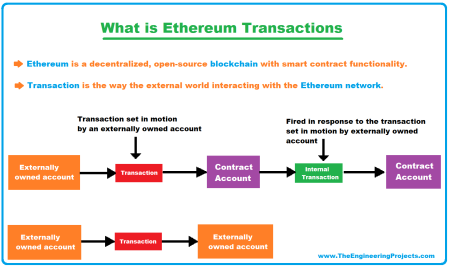
Layer-2 networks have emerged as vital players within the Ethereum ecosystem, fundamentally reshaping the economic dynamics of the network. By combining and processing transactions off-chain before submitting them to the Ethereum mainnet, these networks enhance efficiency, facilitate faster transactions, and reduce fees for users. This operational advantage propelled Layer-2 contributions to Ethereum’s revenue model until 2025, when a nearly 53% drop in their total revenue created tension between the profit motives of these networks and the Ethereum mainnet. With Layer-2 operators retaining profits instead of directing substantial fees to Ethereum, the question arises as to whether these scaling solutions can sustainably coexist with Ethereum’s long-term goals while exerting profitable pressures on the network itself.
The challenging landscape of Layer-2 networks begs the inquiry into their design, user experience, and revenue allocation strategies moving forward. As consolidation occurs within the Layer-2 space—with frontrunners like Base capturing significant market shares—the Ethereum network must adapt or risk losing out on a crucial component of its growth engine. While these networks undoubtedly play a significant role in bolstering Ethereum’s usability and user adoption rates, they must successfully balance profit motives with their contributions to the integrity and sustainability of the Ethereum ecosystem.
Given the trend toward heightened dominance by particular Layer-2 networks, Ethereum’s ability to reclaim a share of the revenue funnel has come under scrutiny. Major players like Base have shown how coupling transaction processing solutions with attractive user interfaces can pivot the balance of profit generation. Consequently, Ethereum stakeholders are challenged to foster a competitive environment that stimulates innovation while also guaranteeing that revenue flows align with network sustainability. As the market investigates its growing reliance on diversified Layer-2 solutions, the ongoing narrative around increased decentralization versus economic efficiency will become crucial in shaping user perspectives and adoption rates.
Ethereum’s Resilience Amid Economic Pressures
The Ethereum network’s resilience is increasingly evident, particularly as it comes under scrutiny amidst economic pressures stemming from advancements in Layer-2 solutions and changing user demands. With Ethereum recording a solid operational performance, having increased its total value locked within DeFi applications to 64% by 2025, it signifies a stronghold on institutional interest. Yet, despite the ecosystem’s growth and the heightened functionality brought by Layer-2 innovations, Ether’s performance in terms of price has struggled to keep pace, presenting an anomaly in the context of prevailing positive operational metrics.
The future of Ethereum might hinge on its capacity to articulate a compelling narrative to investors that encompasses both its technological achievements and the intrinsic value of the ETH token. As institutions continue to endorse Ethereum for its security and potential, the challenge remains to restore confidence in the token’s value proposition, particularly in an environment characterized by shifting user incentives. Understanding this complex relationship between network efficacy and economic output will be vital for navigating future investment horizons.
As the Ethereum ecosystem adapts to lower fees and reduced revenues, stakeholders must remain vigilant about trends emerging from both DeFi applications and Layer-2 networks. It is crucial that Ethereum pays heed to these shifts and incorporates avenues for revenue improvement while simultaneously facilitating user growth. The path ahead may necessitate creative solutions that strike a balance between fostering expansive network functionality while reinforcing the economic incentives for ETH holders. A well-orchestrated approach may reinvigorate investor confidence and ensure that Ethereum remains a leading contender against emerging alternatives.
The Future Landscape of Ethereum DeFi Dominance
Ethereum’s dominance in the DeFi sector reflects a long-term strategy revolving around security, stability, and institutional confidence, emerging even amidst the challenges of revenue loss and pricing pressures. With a commanding 64% of the total value locked across DeFi applications, Ethereum continues to fortify its position as the go-to platform for decentralized finance solutions. This dominance can be contrasted with the previous bear market trends in 2022, showcasing an intriguing shift where institutional players are maintaining their investment in the framework that Ethereum offers. The emphasis on security and legal clarity resonates strongly as regulations continue to evolve, potentially creating a flight to quality among large capital allocators.
This trend is notable as it indicates that investor interests are shifting from short-term price fluctuations to long-term value propositions inherent in the Ethereum platform’s security and functionality. Institutions appear to be showing a preference towards established networks that offer technological infrastructure for decentralized applications, thus validating Ethereum’s focus on stability during uncertain market conditions. The question remains, how will Ethereum leverage this DeFi dominance in balancing user affordability against revenue generation to ensure sustainable growth?
As Ethereum’s DeFi landscape matures, a critical examination of the implications for Ether as an investment token is vital. The continuous expansion of DeFi applications and the subsequent value they generate may not directly correlate to Ether’s price unless strategic measures are embraced to enhance token utility and integrate it into the diverse verticals emerging within the decentralized finance ecosystem. Much will depend on Ethereum’s ability to maintain the decentralized ethos while simultaneously innovating its economic model to attract not just institutional endorsement but also retail investment, thereby reinforcing Ether’s value proposition in the competitive cryptocurrency sphere.
Investor Sentiment and Long-Term Outlook for Ether
Navigating the current landscape of Ethereum investments necessitates a nuanced understanding of the investor sentiment surrounding the Ether token. The divergence between Ethereum’s operational success and the decline in ETH price underscores a critical question for investors: is this temporary disruption or a more fundamental shift in market dynamics? With ETH price performance reflecting substantial losses year-to-date, market participants express caution about entering the Ethereum space. The narrative around Ether has transformed; whereas once high fees and transaction volumes correlated positively with token value, today’s low-fee environment is causing unease regarding the token’s future appreciation. Analysts speculate on the shifting macroeconomic indicators that may ultimately influence investor behavior, particularly as Ethereum’s long-term path emerges amid technological advancements.
The outlook for Ether as we approach 2026 remains complex yet filled with potential. The ongoing discourse about the economic equilibrium between network costs and user incentives underscores a critical juncture for Ethereum’s ecosystem. As Ethereum continues to secure its dominance in DeFi without compromising its commitment to accessibility, the long-term value of Ether may hinge significantly on how well the network can strike a balance between fostering broader adoption while simultaneously enhancing investor confidence, which is essential for driving price recovery.
Investor sentiment is also influenced by external factors such as regulatory shifts and the rising interest in alternative cryptocurrencies. As a cryptocurrency that has firmly established itself within the financial ecosystem, Ether faces increasing pressure to deliver consistent value to investors. Observers highlight that Ethereum’s survival and profitability depend on its ability to innovate continually and remain agile in response to changes in users’ needs and market landscape. A closer alignment of Layer-2 network growth with the primary objectives of the Ethereum mainnet may yield the necessary outcomes to restore investor trust and confidence in Ether’s investment potential in an ever-evolving digital economy.
Frequently Asked Questions
What factors contributed to Ethereum’s revenue loss despite network growth in 2025?
Ethereum’s revenue loss was primarily due to the significant changes following the ‘Dencun’ upgrade. This upgrade reduced transaction fees across the network, which, while promoting growth and reducing costs for users, also led to a drastic decline in revenue from Layer-2 networks. From 2024 to 2025, Layer-2 fees paid to the Ethereum mainnet plummeted from $113 million to just $10 million, representing a loss of over $100 million in revenue.
How did the Ethereum DeFi dominance impact the Ethereum revenue loss?
Despite Ethereum maintaining its dominance in the DeFi space, which secured approximately 64% of the total value locked, the drop in transaction fees significantly limited revenue generation for the Ethereum mainnet. The record low fees reduced the economic incentives tied to high network utility, thus diminishing the correlation between Ethereum’s operational success in DeFi and its overall revenue.
What role did Layer-2 networks play in Ethereum’s financial performance in 2025?
Layer-2 networks previously contributed significantly to Ethereum’s revenue by paying fees to the mainnet for transaction processing. However, in 2025, as revenue from these networks dropped sharply to $129.17 million, the payments to Ethereum fell to less than 10% of that amount, resulting in substantial revenue loss. This shift has affected Ethereum’s overall financial standing, despite improvements in scalability and user experience.
How does Ethereum’s current ETH price performance relate to its revenue loss?
Ethereum’s ETH price performance has been lackluster, with a 10% decline year-to-date, which does not reflect the operational success of the network. The disconnect between the price of ETH and transaction volume highlights that the revenue loss—stemming from reduced fees due to upgrades—has diminished the demand for the ETH token, altering its economic dynamics.
What impact did the ‘Dencun’ upgrade have on Ethereum’s revenue model?
The ‘Dencun’ upgrade positively impacted user experience by lowering transaction fees, which in turn stimulated network growth and usage. However, this upgrade inversely affected Ethereum’s revenue model by reducing fee income from Layer-2 networks, leading to a 53% decline in total revenue and creating a significant financial gap for the mainnet.
How might Ethereum’s revenue loss affect future investments in ETH tokens?
The observed revenue loss and the current structural changes within the Ethereum ecosystem could lead to hesitancy among investors regarding ETH token purchases. With the correlation between transaction volume and token price disrupted, investors may seek clarity on how the network will create value and generate revenue going forward, influencing their investment strategies.
What does the concentration of revenue in Layer-2 networks mean for Ethereum’s ecosystem?
The concentration of revenue in Layer-2 networks, particularly exemplified by Coinbase’s Base network generating substantial income, reveals a shift in Ethereum’s ecosystem where profitability is increasingly siloed within specific applications rather than the broader network. This can pose risks for Ethereum’s long-term revenue structure as it depends heavily on the performance of a few dominant players.
Is Ethereum’s revenue loss a sign of decline or a necessary phase for future growth?
While Ethereum’s revenue loss raises concerns about its financial health, many supporters argue it represents a transitional phase necessary for long-term growth. By prioritizing cost reductions and user experience, Ethereum aims to solidify its role as a leading blockchain platform, which may ultimately enhance its value proposition once stability and scalability are fully realized.
| Key Point | Details |
|---|---|
| Ethereum’s Network Growth | In 2025, Ethereum had its best operational year, processing record transaction volumes and dominating the DeFi market. |
| Revenue Loss | Ethereum sacrificed over $100 million in fee revenue due to the reduction of fees from Layer-2 networks, which were key revenue sources. |
| Layer-2 Networks Revenue Shift | Revenue from Layer-2 networks decreased from $277 million in 2024 to $129 million in 2025, resulting in only $10 million going to Ethereum. |
| Market Dynamics | Lower transaction fees have decreased the deflationary pressure on ETH, with the inflation rate increasing to 0.204% since the merge event. |
| Dominance in DeFi | Despite ETH’s price decline, its position in the DeFi sector strengthened, with 64% of the total value locked on its mainnet. |
| Investor Outlook | As uncertainty looms over ETH’s price dynamics in a low-fee environment, investors are cautious about future valuations. |
Summary
Ethereum revenue loss has become a significant topic in the crypto community, particularly as the network sacrificed over $100 million in guaranteed fee revenue to foster long-term growth. The decline in revenue from Layer-2 networks, coupled with high operational success yet declining token value, creates a complex landscape for Ethereum going forward. While institutional support and dominance in DeFi remain strong, the lower transaction fees disrupt the conventional relationship between network usage and Ether prices. As Ethereum navigates these challenges, its ability to adapt will be critical in maintaining its position as a leading force in the blockchain space.