


Ethereum Sees Major Sell-Off as Price Fails to Break $4,000 Barrier
The cryptocurrency market is no stranger to volatility, and the recent price action of Ethereum (ETH) serves as a sobering reminder of just how unpredictable these assets can be. After a prolonged period of bullish sentiment and rising prices, Ethereum experienced a significant sell-off, failing to breach the coveted $4,000 mark.

The Build-Up to the Sell-Off
Ethereum, the second-largest cryptocurrency by market capitalization, has been on the radar of many investors due to its intrinsic ties with various decentralized applications and as the backbone of the burgeoning DeFi (Decentralized Finance) sector. Anticipation had been building in recent times, particularly with the platform’s ongoing developments and upgrades aimed at improving scalability and reducing gas fees.
In the weeks leading up to the sell-off, Ethereum had shown substantial growth, inching ever closer to the $4,000 price point. This growth was partly fueled by the optimistic sentiment in the market, driven by institutional interest and the increasing adoption of blockchain technology across various industries.
The Turning Point
However, the momentum came to a sudden halt. As Ethereum edged towards the $4,000 mark, a combination of factors led to a sharp reversal. Analysts point to several potential triggers behind the sell-off:
-
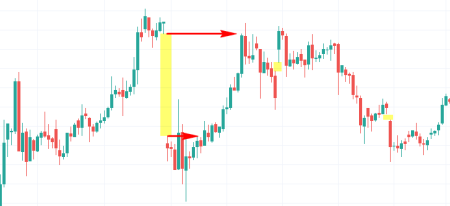
Technical Resistance: Ethereum struggled to break past the psychological barrier of $4,000, which has historically acted as a strong resistance level. Each attempt to surpass this value saw increasing sell pressures, suggesting that investors were ready to cash in on the gains.
-
Profit-Taking: Given the rapid price increase in the weeks prior, it’s likely that many investors decided to take profits, leading to increased selling pressure.
-
Market Sentiment: Broader market trends also play a crucial role in the price dynamics of cryptocurrencies like Ethereum. With some negative news in the market or shifts in investor sentiment, the tide can quickly turn.
- Macro-Economic Conditions: Governed by global economic indicators and market conditions, cryptocurrencies can also respond to shifts in traditional financial markets. Uncertainties such as inflation rates, policy changes by major central banks, or economic turmoil can impact investor behavior in the crypto space.
The Aftermath
The immediate impact of the sell-off was a notable price correction, with Ethereum dropping by over 15% within a couple of days. This price correction has had a ripple effect across the broader crypto market, with many altcoins experiencing similar downturns.
Market Reactions and Adaptations
In response to the sell-off, key stakeholders within the Ethereum community and broader crypto-space have been quick to react. Developers are continuing to push forward with upgrades that could make the platform more appealing to both retail and institutional investors. Additionally, discussions within financial circles suggest that such corrections are natural and provide an opportunity for the market to stabilize and mature over time.
Looking Ahead
While the pullback has undeniably caused temporary setbacks, long-term outlooks for Ethereum remain largely positive. The ongoing development of Ethereum 2.0, which promises more scalability, security, and sustainability, continues to keep community sentiments high. Moreover, as more sectors explore and integrate blockchain technology, the underlying value and utility of Ethereum will likely propel its growth.
Investors and market spectators are keeping a keen eye on how Ethereum navigates through these choppy waters. The key to recovery and further growth may lie in broader market adoption and technological advancements that broaden its use case and intrinsic value.
In essence, while the failure to break the $4,000 mark is a setback, the journey of Ethereum is far from over. The continuing evolution of the platform and the dynamic nature of the crypto market suggest that Ethereum will remain a pivotal player in the blockchain space.