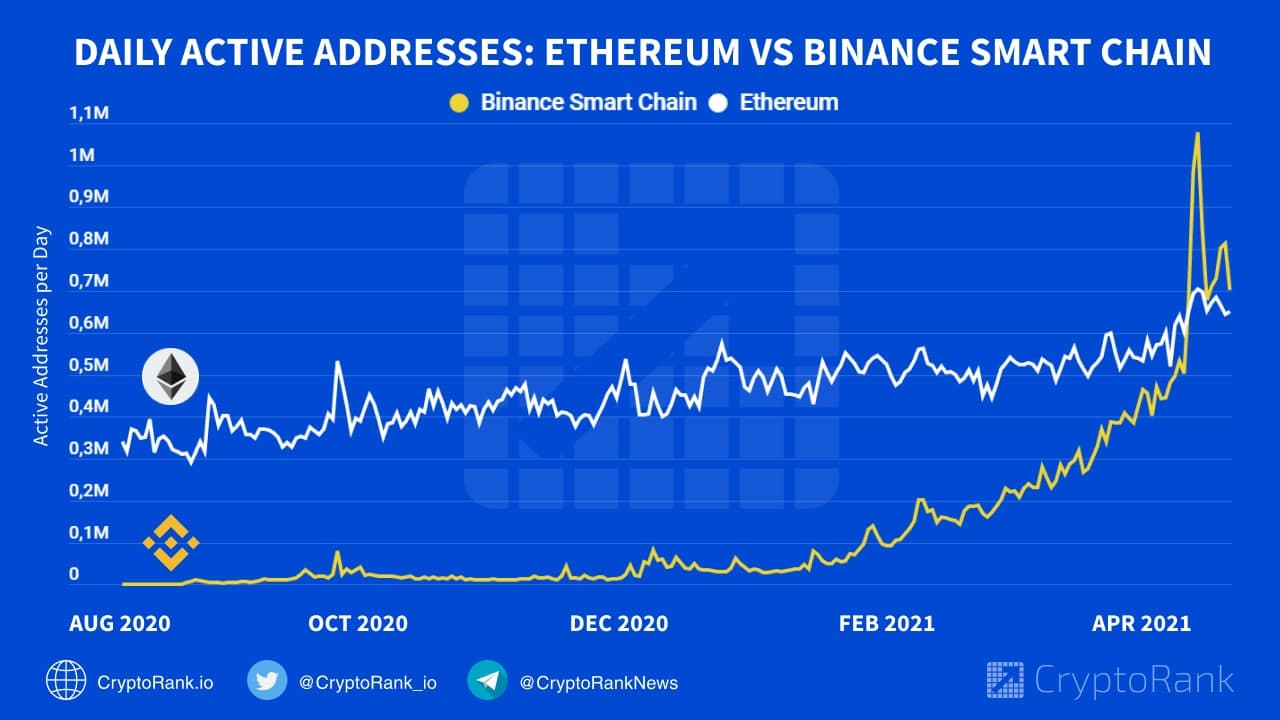

Recent blockchain statistics reveal that Ethereum daily active addresses have reached remarkable heights, surpassing those of all Layer 2 networks. This milestone underscores a significant trend in Ethereum usage as it continues to dominate the crypto daily activity scene. As the Ethereum mainnet solidifies its position, the implications for decentralized application developers and investors become increasingly profound. The rise in active addresses highlights not just the network’s popularity, but also growing confidence in Ethereum’s scalability and efficiency. With keen insights into Ethereum usage trends, stakeholders can better navigate the evolving landscape of digital currencies.
The surge in daily engagement within the Ethereum ecosystem points toward a vibrant and expanding user base. Analyzing the rise in active accounts on the Ethereum platform offers a glimpse into the dynamics of decentralized applications and their adoption rates. As more users flock to leverage the network’s capabilities, it is essential to examine how factors like transaction volumes and overall participating addresses influence the project’s ecosystem. Additionally, correlating the activity on the Ethereum blockchain with Layer 2 solutions reveals significant insights into user behavior and preferences. Understanding these patterns can shed light on the future prospects of Ethereum and its role in the broader cryptocurrency market.
| Key Point | Details |
|---|---|
| Ethereum Daily Active Addresses | Ethereum has seen its daily active addresses exceed those of Layer 2 networks. |
| Monitoring Data Source | Data is sourced from Token Terminal which provides analytics on blockchain performance. |
| Comparison with Layer 2 | This indicates that Ethereum’s mainnet is currently more active than Layer 2 solutions. |
Summary
Ethereum daily active addresses have significantly outperformed all Layer 2 networks, showcasing the mainnet’s strong user engagement. This trend, identified through monitoring data from Token Terminal, highlights Ethereum’s enduring popularity and effectiveness as a blockchain platform. As Ethereum continues to evolve, the importance of its daily active addresses will remain a critical metric for assessing its health and growth in the decentralized ecosystem.
Ethereum Daily Active Addresses: A New Milestone
Recent statistics from Token Terminal provide insight into the vibrant ecosystem of Ethereum, particularly highlighting that daily active addresses on the Ethereum mainnet have outpaced those on all Layer 2 networks. This surge indicates not only a significant increase in user engagement on the Ethereum platform but also underscores the resilience and attractiveness of the mainnet compared to emerging technologies. As developers and users gravitate towards Ethereum for various decentralized applications, the blockchain’s foundational layer continues to demonstrate its strength.
The rise in daily active addresses can be attributed to several factors, including increased interest in decentralized finance (DeFi) projects and the expansive capabilities of Ethereum-based applications. As more users engage with these innovative platforms, blockchain statistics reveal that Ethereum’s core functionalities remain indispensable. Moreover, this trend suggests that Ethereum’s usage is evolving, adapting to the dynamic demands of the crypto market while maintaining robust daily activity levels.
Analyzing Layer 2 Networks in Context
Layer 2 networks have emerged as scalable solutions to address the Ethereum mainnet’s congestion and high transaction fees. These networks aim to provide faster transactions and lower costs, making them appealing for users engaging in crypto daily activity. However, despite the advantages offered by Layer 2 solutions, recent findings reveal that users still favor the mainnet, as evidenced by the higher number of daily active addresses on Ethereum. This trend raises critical questions about the long-term viability of Layer 2 networks as they compete for user adoption.
The increase in Ethereum’s mainnet addresses reveals a complex relationship between users and the various layers of the Ethereum ecosystem. While Layer 2 networks attempt to optimize user experience through innovative technologies, the strong engagement on the Ethereum mainnet suggests that users may prioritize access to the core benefits and security offered by the main Ethereum blockchain. Thus, understanding Ethereum usage trends becomes crucial for both network developers and investors as they navigate this multifaceted landscape.
Tracking Blockchain Statistics for Strategic Insights
Blockchain statistics are invaluable for assessing the health and growth of Ethereum and its layer 2 solutions. By analyzing the number of daily active addresses, transaction volumes, and other metrics, stakeholders can identify key trends and inform strategic decisions. Monitoring these statistics provides investors with essential insights into the performance of the Ethereum ecosystem, allowing them to gauge the effectiveness of current projects and anticipate shifts in user behavior.
For instance, consistent growth in daily active addresses not only signifies user trust and engagement but also reflects broader market trends affecting the blockchain industry as a whole. By leveraging these analytics, developers can tailor their offerings to meet current demands, ensuring that both the mainnet and Layer 2 networks attract and retain users effectively. As a result, staying informed about blockchain statistics equips investors and developers alike to make informed choices in the dynamic crypto landscape.
Ethereum Usage Trends: What Do They Mean for the Future?
Understanding Ethereum usage trends is essential for predicting the future of the cryptocurrency and its broader impact on the market. Current observations reveal that users are increasingly opting for the mainnet, which hints at a potential shift in how decentralized applications are utilized. This trend may suggest a preference for established platforms over newer alternatives, indicating that Ethereum’s foundational technologies will play an integral role in the ongoing evolution of blockchain applications.
As trends continue to unfold, it’s crucial for stakeholders to remain adaptable. The growing preference for the Ethereum mainnet, despite the rise of Layer 2 networks, signals that factors such as security, reliability, and user experience are paramount to sustaining crypto daily activity. By closely monitoring these usage trends, developers can innovate further and enhance the usability of Ethereum, ensuring that it remains a dominant player in the blockchain space.
The Impact of DeFi on Ethereum’s Daily Active Addresses
Decentralized Finance (DeFi) has significantly influenced the number of daily active addresses on the Ethereum mainnet. As DeFi applications thrive and attract a growing base of users, Ethereum’s ecosystem benefits from an influx of activity that bolsters its standing against alternative networks. The diverse offerings of DeFi—from lending platforms to yield farming—keep users engaged and constantly transacting, which directly contributes to the rise in Ethereum’s active addresses.
The symbiotic relationship between DeFi projects and Ethereum’s mainnet highlights how innovation in blockchain technology enhances user participation. As more investors and users engage with DeFi protocols on Ethereum, the demand for transactions continues to skyrocket, showcasing the versatility and potential of decentralized applications. Consequently, as the DeFi landscape evolves, so too will Ethereum’s daily active addresses, leading to richer, more complex interactions within the blockchain ecosystem.
How Layer 2 Solutions Enhance Ethereum’s Performance
Layer 2 solutions are designed to alleviate some of the pressures faced by the Ethereum mainnet, primarily through scalability and reduced transaction costs. By operating atop the mainnet, these solutions enhance overall performance, allowing Ethereum to handle more transactions concurrently. This is particularly important as daily active addresses continue to grow, indicating that user demand is substantially increasing. As a result, Layer 2 solutions help maintain Ethereum’s position as a leading player in the blockchain space.
Moreover, the introduction of Layer 2 networks adds an extra layer of functionality to Ethereum, enabling faster and cheaper transactions without compromising on security. With the optimization of these technologies, users can enjoy their interactions within the Ethereum ecosystem with greater efficiency. Ultimately, Layer 2 solutions complement not only the mainnet’s existing strength but also enrich the overall user experience, ensuring that daily active addresses can thrive alongside both layers.
User Engagement: A Key Metric for Ethereum’s Success
User engagement remains a crucial metric for evaluating the success of Ethereum and its various networks. With daily active addresses serving as a prominent indicator of this engagement, it becomes apparent how effectively the platform caters to the needs of its users. High levels of user interaction signal a vibrant community and trust in the ecosystem, which is vital for attracting new users and retaining existing ones.
As Ethereum continues to innovate and expand its offerings, maintaining strong user engagement will be essential for its growth trajectory. Projects that foster interaction and incorporation of new users will contribute to sustained activity on both the mainnet and Layer 2 networks. Observing trends in engagement will help inform developers and investors alike, guiding future strategies to maximize the potential of Ethereum’s expansive ecosystem.
Future Projections: Ethereum’s Role in the Blockchain Space
As we look towards the future of the blockchain space, Ethereum’s role is anticipated to remain pivotal. With daily active addresses on the mainnet surpassing those on Layer 2 solutions, it is evident that Ethereum continues to be the first choice for many users and developers. This projection suggests that as the blockchain industry evolves, Ethereum will likely adapt to new trends and challenges while maintaining its leading position.
Looking ahead, the ongoing development of both the mainnet and Layer 2 solutions will be crucial in determining Ethereum’s success. Innovations aimed at enhancing scalability and usability will be necessary to keep pace with increasing user demands. By fostering a strong and adaptable ecosystem, Ethereum is poised to not only retain its influence but potentially expand its reach further into the blockchain sector.
The Role of Community in Driving Ethereum’s Activity
The Ethereum community plays a pivotal role in driving activity on the platform. Engaged users actively contribute to the growth of daily active addresses, and their collective feedback is vital for the ongoing improvement of decentralized applications and services. The strong sense of community reflects a deep commitment to Ethereum’s success, which directly influences user engagement and participation.
Moreover, community-driven initiatives, such as hackathons and development grants, encourage innovation within the ecosystem, leading to new projects that attract additional users. As these initiatives take shape, the breadth of engagement on the mainnet continues to expand, showcasing Ethereum as a dynamic environment where users are continuously involved. The symbiotic relationship between Ethereum and its community underscores the importance of collaborative involvement in driving the overall success of the blockchain platform.
Frequently Asked Questions
What are Ethereum daily active addresses and why are they important?
Ethereum daily active addresses refer to the number of unique addresses that interact with the Ethereum mainnet daily. This metric is crucial as it indicates the level of user engagement and overall interest in the Ethereum blockchain. Monitoring these statistics helps assess Ethereum’s adoption and can guide investment decisions.
How do Ethereum daily active addresses compare to Layer 2 networks?
Recent blockchain statistics reveal that Ethereum daily active addresses have exceeded those of all Layer 2 networks. This trend highlights the continued dominance of the Ethereum mainnet despite the growing popularity of Layer 2 solutions, which aim to enhance scalability and reduce transaction costs.
What do Ethereum usage trends indicate about the crypto market?
Ethereum usage trends, especially daily active addresses, provide insights into the crypto daily activity and overall health of the market. An increase in active addresses suggests a rise in dApp usage, token transactions, and overall network activity, reflecting positive market sentiment.
Can Ethereum daily active addresses impact Layer 2 network development?
Yes, the number of Ethereum daily active addresses can influence Layer 2 network development. As the mainnet continues to attract a high volume of users, Layer 2 solutions may evolve to better serve these users by offering lower fees and faster transactions, aiming to capture some of the activity from the Ethereum mainnet.
Where can I find up-to-date statistics on Ethereum daily active addresses?
Up-to-date statistics on Ethereum daily active addresses can be found on various blockchain analytics platforms, such as Token Terminal or Glassnode. These resources provide real-time data and insights into Ethereum usage, including comparisons with Layer 2 networks.
What factors contribute to the fluctuations in Ethereum daily active addresses?
Fluctuations in Ethereum daily active addresses can be attributed to several factors, including market trends, the launch of new dApps, the overall crypto market sentiment, and significant events in the blockchain ecosystem. Increased activity often correlates with positive news or developments related to Ethereum and its Layer 2 solutions.
How do I interpret the significance of Ethereum daily active addresses in investment decisions?
When interpreting the significance of Ethereum daily active addresses for investment decisions, investors should consider trends over time rather than daily fluctuations. Consistent growth in active addresses can signal robust user adoption, while sudden drops may indicate temporary market corrections or changes in user behavior.
Related: More from Ethereum News | Ethereum Network Transactions Hit New Record: What It Means for You | 30,000 ETH Withdrawn: What It Means for Binance and Ethereum