


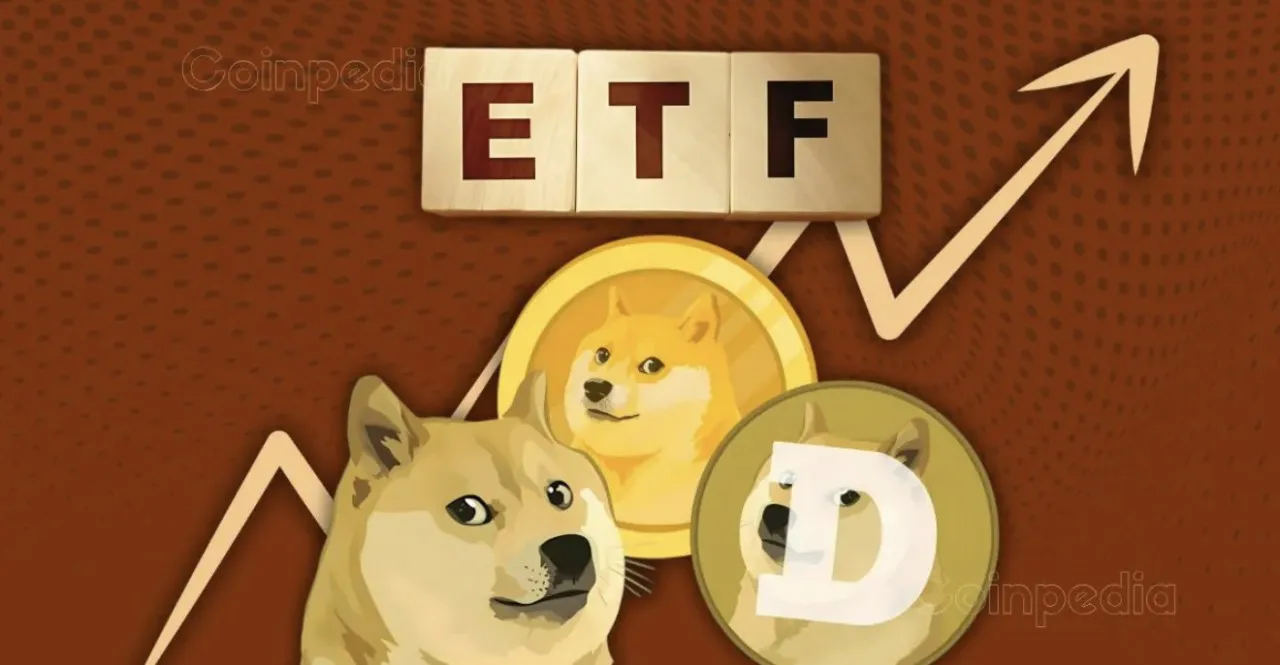

DOGE ETF Approval: Institutional Advance Amid Price Stagnation
Key Takeaways
In a surprising move that has sent ripples through the cryptocurrency market, the U.S. Securities and Exchange Commission (SEC) has approved the first ever Exchange-Traded Fund (ETF) for Dogecoin (DOGE), a cryptocurrency that started as a joke but has since garnered a massive following. This landmark decision marks a significant milestone in the acceptance and institutionalization of cryptocurrencies. However, it arrives at a time when DOGE’s price has been notably stagnant, raising questions about the timing and potential impact of this new ETF.
Understanding the DOGE ETF
An ETF is an investment fund traded on stock exchanges, much like stocks. An ETF holds assets such as stocks, commodities, or bonds, and generally operates with an arbitrage mechanism designed to keep it trading close to its net asset value, though deviations can occasionally occur. A DOGE ETF means that investors can now gain exposure to Dogecoin without actually holding the cryptocurrency. This is expected to lower the barriers to entry for investors reticent about dealing directly with the technicalities of cryptocurrency trading and storage.
Institutional Adoption vs. Retail Enthusiasm
The approval of a DOGE ETF represents a critical step towards institutional acceptance for Dogecoin. Historically seen as a less serious contender in the cryptocurrency space, Dogecoin’s embrace by major financial structures could help stabilize its reputation and potentially its price in the long run. Institutions that were previously unable to purchase cryptocurrencies directly due to regulatory reasons can now participate in the market, potentially increasing the investor base.
However, Dogecoin has long been the favorite of a deeply engaged retail crowd, drawn to its less intimidating, community-driven, and whimsical ethos, epitomized by its Shiba Inu dog mascot and endorsements from high-profile figures like Elon Musk. The move to a more institutional framework might dilute this brand, which could either lead to a broadening of its investor base or alienate its core supporters.
Price Stagnation: A Concern?
At the time of the ETF’s approval, Dogecoin’s price was relatively stagnant. This stagnation can be attributed to various factors, including market saturation, the emergence of newer cryptocurrencies, and perhaps a waning of the novelty factor that initially propelled Dogecoin to prominence. Investors might be watching to see if the ETF could inject some much-needed volatility or whether it will cement Dogecoin’s position as a ‘stablecoin’ among more speculative options.
Potential Impacts of the DOGE ETF
The approval of the DOGE ETF could have several impacts:
-
Increased Liquidity: By providing a new avenue for investors to gain exposure to Dogecoin, the ETF could increase the liquidity of DOGE. This is particularly beneficial in the often volatile crypto markets, where liquidity can be a significant issue.
-
Price Impact: Historically, the introduction of an ETF has led to an increase in the prices of other asset classes as it broadens the market access. Whether similar effects will be seen with Dogecoin remains to be seen.
- Regulatory Implications: This could pave the way for other cryptocurrencies to seek similar institutional financial products, leading to a broader acceptance and integration of cryptocurrencies within conventional financial systems.
Conclusion
The SEC’s approval of a Dogecoin ETF is a notable development that could lead to increased institutional involvement in the cryptocurrency space. While it’s unclear how this will affect Dogecoin’s market dynamics in the immediate future, particularly given the current price stagnation, it undoubtedly opens new avenues for both traditional investors and cryptocurrency enthusiasts. As the market digests this news, the broader implications for the crypto landscape, and Dogecoin’s place within it, will become clearer.
Related: More from Market Analysis | Middle East Tensions Lift CRCL Shares Amid Rate in Crypto Market | Dollar Rise Weighs on Cryptos, Gold in Crypto Market

