



Elon Musk Declares, “You Can’t Fake Energy” – Is Bitcoin Green Enough for Tesla’s Standards?
In a landscape where cryptocurrency and environmental sustainability are increasingly intersecting, Elon Musk’s recent statement, “You can’t fake energy,” raises a crucial question about the future of cryptocurrencies like Bitcoin in relation to eco-friendly business practices. This becomes particularly significant when viewed through the lens of Tesla’s sustainability ethos, which previously influenced its decisions on cryptocurrency transactions.

Elon Musk, the CEO of Tesla and a pivotal figure in technological innovation, has been known for his critical stance on the energy consumption of Bitcoin mining. In 2021, Tesla halted Bitcoin transactions for its vehicles citing environmental concerns, highlighting the enormous amount of electricity required to mine and maintain the blockchain, often sourced from non-renewable energy.
Bitcoin and Its Energy Ledger
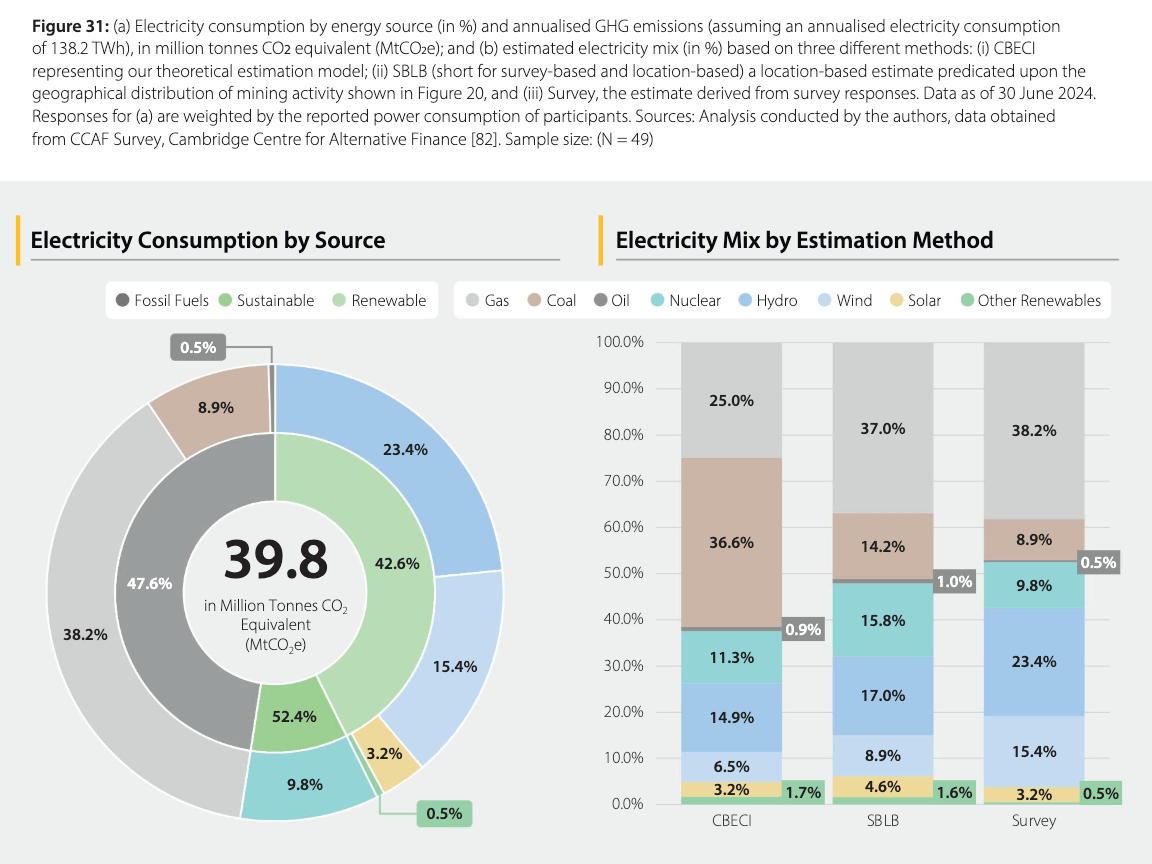
Bitcoin, the first and most well-known cryptocurrency, operates on a blockchain protocol known as Proof of Work (PoW). PoW requires miners to solve complex mathematical problems in order to add new transactions to the blockchain, a process that ensures security and integrity but is notably energy-intensive. According to the Cambridge Bitcoin Electricity Consumption Index, Bitcoin mining consumes more electricity annually than entire countries like Sweden or Malaysia.
Tesla: A Beacon of Sustainability
Tesla’s brand is deeply intertwined with sustainability, from its electric cars to its solar ventures. The company’s decision to pull back from Bitcoin transactions placed a spotlight on the environmental impact of cryptocurrencies and sparked a dialogue regarding green energy solutions within the crypto sector.
Upon Musk’s declaration that “You can’t fake energy,” it becomes clear that any alignment between Bitcoin and Tesla would require a sustainable approach consistent with Tesla’s mission. This statement is a nod toward the immutable fact that energy usage, regardless of its source, has real-world impacts, further pushing the narrative that sustainability must be at the forefront of technological and economic advancements.
Is Bitcoin Making Efforts to Go Green?
The crypto community has responded to criticisms about its energy consumption with initiatives aimed at improving its green credentials. For instance, the Bitcoin Mining Council was formed to promote transparency in energy use and accelerate sustainability initiatives among Bitcoin miners. Additionally, there are ongoing discussions and developments around moving Bitcoin from a PoW protocol to more energy-efficient consensus mechanisms such as Proof of Stake (PoS).
However, the fundamental architecture of Bitcoin makes such a transition complex and unlikely in the immediate future. Meanwhile, other cryptocurrencies that use PoS, such as Ethereum, which is in the process of fully transitioning to this protocol with its Eth2 upgrade, might present themselves as more viable options for companies like Tesla.
The Future of Bitcoin and Tesla
For Tesla to reconsider Bitcoin as a part of its economic ecosystem, significant advancements in renewable energy usage within the Bitcoin mining industry would be required. Musk’s recent remark is a reminder that genuine sustainable practices are non-negotiable, especially for forward-thinking companies committed to reducing their environmental footprint.
The coupling of Musk’s visionary outlook with ongoing advancements in green technology could eventually pave the way for a reevaluation of Bitcoin in Tesla’s operations, should the cryptocurrency meet Tesla’s stringent sustainability standards. Until then, the tech community and environmental observers alike will be watching closely, as the dialogue between technology and sustainability continues to evolve.
In conclusion, while Musk’s assertion underscores a pivotal challenge facing the cryptocurrency industry, it also serves as a clarion call for innovation and sustainability. As the world moves inexorably towards greener energy solutions, the pressure on industries, including cryptocurrency, to adapt and innovate in environmentally friendly ways will undoubtedly increase.