


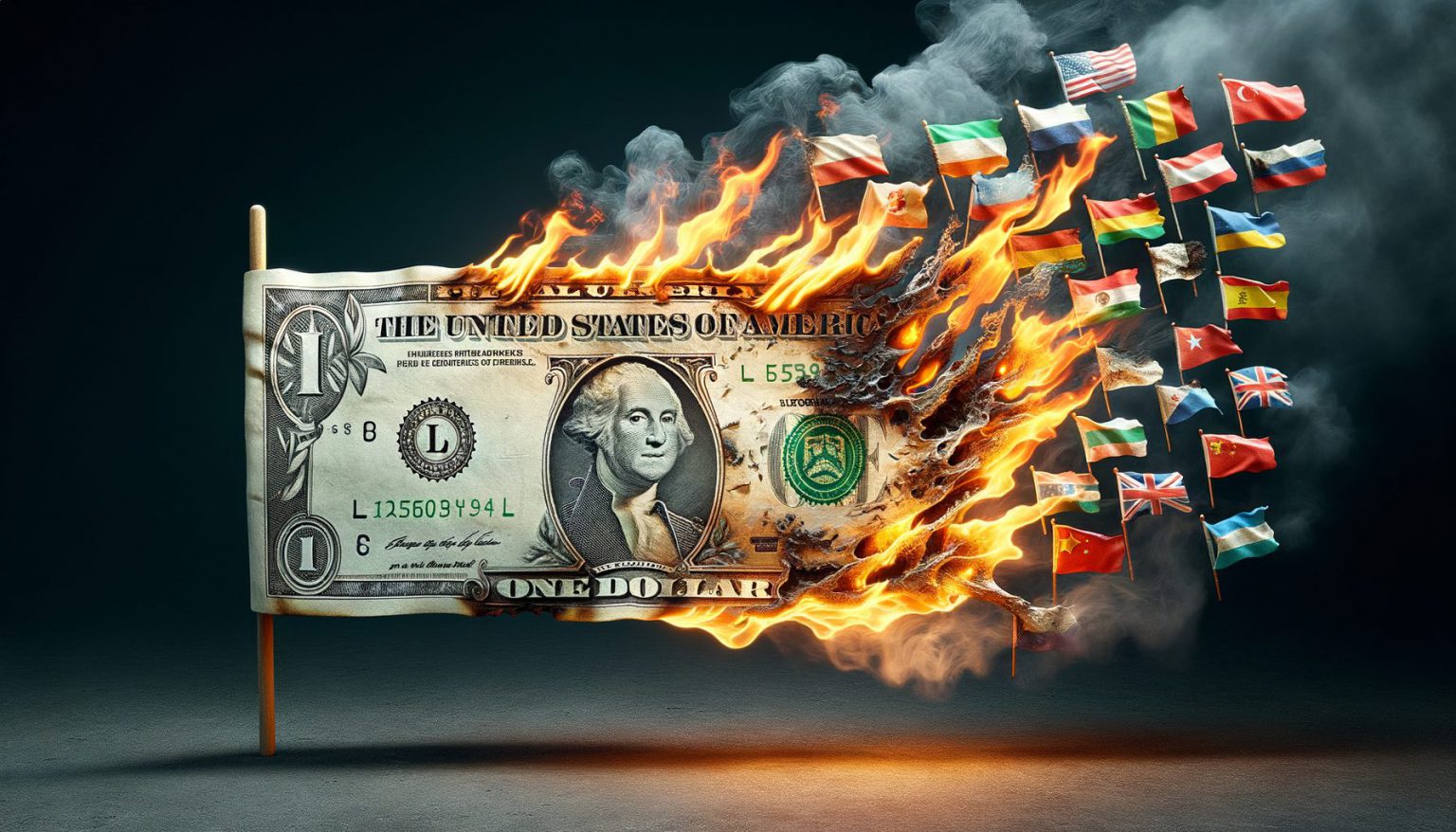

As we step into 2026, the Dollar Index is poised for new challenges and potentials. After experiencing its worst performance since 2017, the DXY index, which gauges the dollar’s strength against a collection of trade-weighted currencies, plummeted by 9.37% in the previous year. This year begins with mixed sentiments, as dollar trading news suggests slight gains despite lingering weaknesses. The ongoing discourse around the impact of tariffs on the dollar and concerns over dollar depreciation risks are pertinent points for investors. With many looking to safe-haven currencies for security, the performance of the Dollar Index in 2026 will undoubtedly be a focal point for market watchers and analysts alike.

Entering 2026, we see a landscape where the value of the U.S. dollar is again in the limelight. The DXY, a critical benchmark that reflects the dollar’s position against major currencies, is still reeling from a significant drop last year. Analysts are closely monitoring the ongoing economic strategies, particularly the ramifications of tariff implementations that could affect dollar strength going forward. Meanwhile, as investors seek refuge in more stable currencies, understanding the nuances of dollar fluctuations becomes essential. With uncertainty about potential depreciation risks, the dollar’s journey through 2026 is set to be both complex and compelling.
Dollar Index 2026: A New Beginning or Continued Decline?
As we step into 2026, the dollar index, commonly referred to as the DXY index, is showing signs of a modest recovery from the dramatic drop it experienced last year. The recent uptick in the dollar’s value may provide a glimmer of hope for investors who witnessed the index plummet by 9.37% in 2025. Analysts are keenly observing the interaction of market forces, including ongoing tariff policies and economic shifts that could either bolster or further challenge the dollar’s strength. As the global economic landscape evolves, the DXY index remains a crucial indicator for understanding the dollar’s performance against other major currencies.
However, the road ahead is fraught with challenges. Investors are increasingly wary of potential dollar depreciation risks stemming from the previous administration’s tariff strategies. The uncertainty in trade relations could lead to fluctuations in the dollar index, compelling investors to rethink their dollar trading news and strategies. The mixed signals in the market create an environment where even slight movements can significantly impact trading decisions and overall market confidence in the dollar.
The Influence of Tariffs on Dollar Strength
Tariff policies play a monumental role in shaping the dollar’s strength, especially as we analyze last year’s downturn in the DXY index performance. With tariffs that have disrupted trade flows and incited retaliation from other nations, the dollar has faced pressures that erode its value. As investors navigate these turbulent waters, they are increasingly seeking safer assets, contributing to the variability in dollar performance. The correlation between tariff announcements and dollar value changes has become more pronounced, compelling traders to keep a close watch on such developments.
Moreover, the implications of tariff-induced fluctuations extend beyond mere numbers on a screen. They influence market sentiment and can trigger broader economic reactions. As companies adjust their operations to account for tariffs, the ripple effects can lead to diminished global demand, thereby triggering a downward spiral for the USD. Understanding the impact of tariffs is essential for predicting how the dollar will respond in the ever-changing international trade scenario.
Safe-Haven Currencies Amid Dollar Uncertainty
In a climate of uncertainty, safe-haven currencies play an increasingly critical role in financial strategies. As the dollar index struggled through its worst year since 2017, many investors shifted their focus to stable currencies that offer protection during market turmoil. The performance of safe-haven currencies such as the Swiss Franc and Japanese Yen has provided a stark contrast to the dollar’s volatility. By reallocating funds to these stable assets, traders aim to shield their portfolios from potential depreciation risks associated with the dollar.
This preference for safe-haven currencies underscores a broader trend where investors prioritize stability over potential returns. The flight to safety is not merely a reaction to past performance but a proactive strategy in the face of future uncertainties. As geopolitical tensions and economic unpredictability loom on the horizon, many foresee that the appeal of such currencies will only strengthen, further challenging the dollar’s standing on the global stage.
Understanding DXY Index Performance Trends
The DXY index performance offers crucial insights into the health of the US dollar in relation to other currencies. Over the past year, the index’s dramatic decline has raised questions about the future trajectory of the dollar, with analysts grappling to decipher the underlying trends. Factors such as monetary policy adjustments, trade deficits, and the overall economic condition in the US significantly influence the DXY index. Tracking these factors can provide traders with a clearer picture of upcoming shifts in the dollar’s valuation.
Moreover, the DXY index serves as a benchmark for assessing dollar trading news and projections in financial markets. Depending on market conditions, fluctuations in the DXY index can trigger investors’ responses, leading to active trading strategies designed to capitalize on the dollar’s strengths or mitigate its weaknesses. By closely monitoring the index performance, traders can remain agile and informed, positioning themselves effectively in a landscape that is constantly evolving.
Dollar Trading News: What to Watch in 2026
As we advance into 2026, dollar trading news will be pivotal for investors looking to navigate the complexities of foreign exchange markets. With the dollar’s recent slight rise, stakeholders are eager to capitalize on any potential upward trends while remaining mindful of the broader economic forces at play. News regarding interest rate changes, inflation reports, and geopolitical developments will significantly influence trading activities involving the dollar. Staying updated with real-time information will be essential for traders seeking to make informed decisions.
Additionally, traders should pay attention to market sentiment surrounding the dollar, especially in light of past performances and current recoveries. Insights from analysts and financial institutions can guide investment strategies and risk management practices. Monitoring the impact of external factors such as trade agreements and international economic conditions will be crucial for anticipating the dollar’s trajectory in an unpredictable market environment.
Mitigating Dollar Depreciation Risks
Given the dollar’s volatility, understanding and mitigating depreciation risks has become a strategic focus for traders this year. With several factors, including tariffs and global economic dynamics, putting pressure on the dollar, investors are keen to adopt safeguards against potential losses. Utilizing various hedging strategies—such as options or futures—can provide traders with a layer of protection to counteract currency fluctuations. This approach not only minimizes risk but also enhances overall market participation.
Furthermore, diversifying investments across various asset classes can act as an effective mitigation strategy against dollar depreciation. As investors spread their portfolios across multiple currencies and commodities, they can safeguard themselves against the adverse effects of a declining dollar. This trend towards diversification highlights the importance of foresight in managing financial exposure, especially in a landscape characterized by uncertainty and rapid change.
Market Reactions to Economic Indicators
The dollar is highly sensitive to economic indicators, which can trigger swift market reactions that affect the DXY index. Reports on employment rates, consumer spending, and inflation can create ripples across the currency market, influencing how investors perceive the dollar’s current standing. When positive indicators emerge, they can uplift the sentiment around the dollar, potentially leading to a rise in its value. Conversely, disappointing economic reports can exacerbate concerns about dollar depreciation and instigate profit-taking among traders.
Another consideration for traders is how these economic indicators interact with global events. For instance, an uptick in inflation coupled with geopolitical tensions could lead to fluctuations in the dollar’s value, while providing insight into the appropriate timing for trades. A proactive approach to analyzing market reactions to these indicators can position traders advantageously, allowing them to adjust their strategies in a dynamic financial landscape.
Global Shifts in Currency Trading Practices
As globalization continues to shape financial markets, currency trading practices are evolving. The dollar, traditionally seen as a reliable currency, is facing competition from emerging currencies and digital assets. With innovations in blockchain technology influencing cross-border transactions, traders are adapting to new methodologies that challenge established practices. Understanding these global shifts is critical for aligning trading strategies with contemporary market realities.
Moreover, as central banks around the world begin to explore digital currencies, the landscape of currency trading is expected to undergo further transformation. Traders will need to remain agile and informed about these developments to anticipate how they may impact traditional currencies like the dollar. Engaging with technological advancements in currency trading can offer unique opportunities and insights for investors seeking to thrive in this dynamic environment.
Frequently Asked Questions
What factors contributed to the DXY index performance in 2026?
The DXY index performance in 2026 was influenced by several factors, including the aftermath of Trump’s tariff policies, which created volatility in the currency markets. Additionally, investors sought safe-haven currencies like the dollar amid global uncertainties, leading to varied demand dynamics.
How does the dollar index in 2026 compare to its performance in 2025?
In 2025, the dollar index recorded a significant decline of 9.37%, marking its worst performance since 2017. As of the first trading day in 2026, the dollar rose slightly, indicating a cautious optimism, but it remains at a relatively weak level compared to previous years.
What is the impact of tariffs on the dollar index in 2026?
The impact of tariffs on the dollar index in 2026 is primarily negative, leading to concerns about dollar stability and creating headwinds for its performance. Tariff-related uncertainties have historically weakened the dollar, contributing to its notable decline in 2025.
Why are investors turning to safe-haven currencies like the dollar in 2026?
In 2026, investors are increasingly turning to safe-haven currencies, including the dollar, due to heightened global economic uncertainties. The dollar’s perception as a stable asset amidst geopolitical tensions and economic fluctuations has bolstered its appeal among risk-averse investors.
What are the risks of dollar depreciation in 2026?
The risks of dollar depreciation in 2026 include ongoing geopolitical tensions, potential inflationary pressures, and uncertain fiscal policies influenced by tariff changes. Investors are actively implementing strategies to hedge against these risks, contributing to fluctuations in dollar value.
How does dollar trading news affect the forecast for the DXY index in 2026?
Dollar trading news plays a crucial role in shaping market expectations and forecasts for the DXY index in 2026. Positive news can bolster the dollar’s value, while negative news regarding tariffs, economic data, or investor sentiment can lead to declines, influencing overall index performance.
| Key Points |
|---|
| The dollar index rose slightly on the first trading day of 2026, despite a weak overall performance last year. |
| In 2025, the DXY index dropped by 9.37%, marking its worst year since 2017. |
| Factors contributing to dollar weakness included Trump’s tariff policies, increased investments in safe-haven dollars, and hedging against depreciation risks. |
Summary
The Dollar index 2026 indicates a renewed yet cautious interest in the dollar as it sees a slight rise. Despite facing significant losses throughout 2025, evidenced by a 9.37% drop in the DXY index, factors like ongoing safe-haven demand and strategic hedging are helping to stabilize its position as the new year begins. As the global economic landscape shifts in response to tariffs and trade policies, monitoring the dollar’s performance will be crucial for investors looking to navigate potential volatility.