
The Implications of ETFs on Solana’s Decentralization and Yield Distribution
Key Takeaways
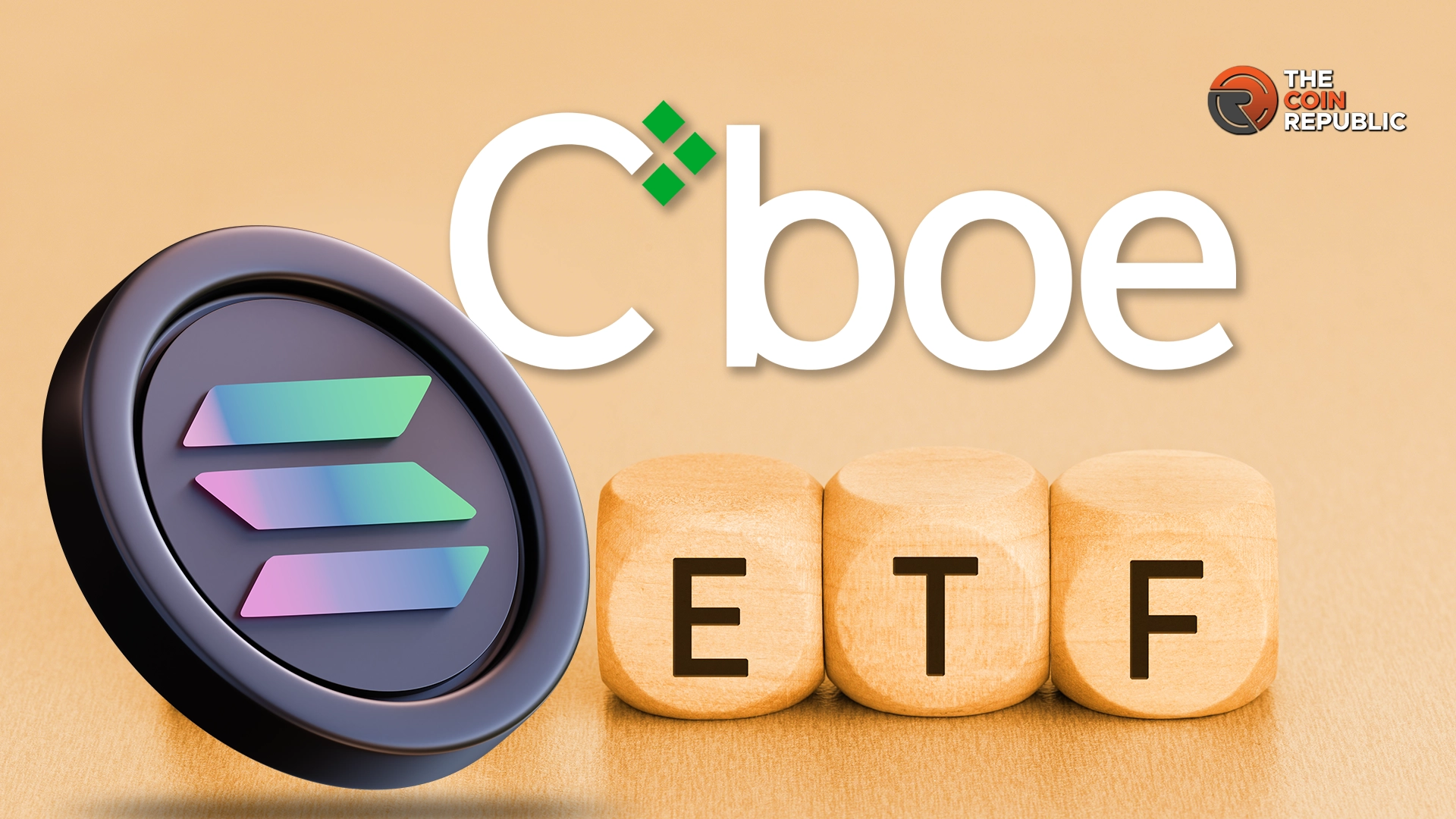
As the blockchain industry continues to mature, innovative financial vehicles such as Exchange-Traded Funds (ETFs) that hold cryptocurrencies are starting to emerge. One blockchain that has been a point of focus recently is Solana, known for its high throughput and low transaction fees. However, as more financial institutions and hedge funds express interest in creating Solana ETFs, questions arise about how these financial instruments might affect the decentralization of the Solana network and the distribution of its yield. Let’s delve into what these developments could mean for the ecosystem.
What is a Solana ETF?
An ETF is a type of security that involves a collection of assets (like stocks, commodities, or bonds) that tracks an underlying index, yet can be traded on stock exchanges in the same way as a regular stock. A Solana ETF, therefore, would typically involve a fund that holds a substantial amount of Solana (SOL) tokens. This setup allows investors to buy into Solana without directly purchasing the cryptocurrency, instead buying shares in the ETF that represent the underlying SOL.
Potential Risks of Solana ETFs on Network Decentralization
Decentralization is one of the cornerstones of blockchain technology, promising a network maintained by a distributed and varied group of participants. However, the advent of large ETFs holding significant portions of a cryptocurrency like Solana could potentially threaten this principle. Here’s how:
-
Concentration of Ownership: If significant quantities of Solana tokens are tied up in ETFs, the real control of these tokens can become concentrated in the hands of a few institutional players. This contrasts sharply with the ideal decentralized model where control is spread across many independent users.
-
Voting Power: Solana, like many blockchains, has mechanisms for community governance whereby token holders can vote on key protocol decisions. Large holders, or whales, can have disproportionate influence over the network’s governance. ETFs controlling large amounts of Solana could thus centralize voting power significantly.
- Staking and Validation: Solana’s proof-of-stake mechanism allows token holders to stake their SOL to help validate transactions. If a significant portion of SOL is locked in ETFs, it might skew the staking and validator landscape, potentially centralizing network validation to a small number of nodes.
Distribution of Yield: Who Actually Benefits?
The yield in question generally arises from staking rewards, earned by those who stake their SOL tokens to support network operations. These rewards are crucial for the security and efficiency of the Solana network. However, the distribution of these rewards can become an issue when tokens are held in an ETF:
-
Yield to Token Holders vs. ETF Shareholders: When Solana is staked through an ETF, it’s the ETF that technically owns the staking yield. How this yield is distributed to the shareholders of the ETF depends on the fund’s policies. Some may reinvest this yield into the fund, indirectly enhancing the value of the ETF shares, while others might distribute it directly to shareholders as dividends.
- Access to Passive Income: Typically, individual investors stake their tokens to earn rewards directly. ETFs abstract this process, and the direct connection between staking decisions and reward distribution is lost. This could lead investors away from participating directly in the blockchain, potentially lessening the individual’s potential for passive income.
Conclusion
The integration of ETFs into the Solana ecosystem may democratize access to the cryptocurrency for those who prefer traditional investment methods or want to avoid direct exposure to the asset’s volatility. However, this comes with increased risks of centralization and complications in how the returns (yields from staking) are distributed.
Maintaining the delicate balance between making blockchain assets accessible through traditional financial products and preserving the decentralized nature of these technologies will be a key challenge moving forward. How we address these issues could very well shape the future of blockchain investments and the underlying principles that govern them.
Related: More from Altcoin News | Dogecoin Bounces Back After Iran War Hit in Altcoin | Takaichi Disowns Solana Coin After Huge Drop in Altcoin