


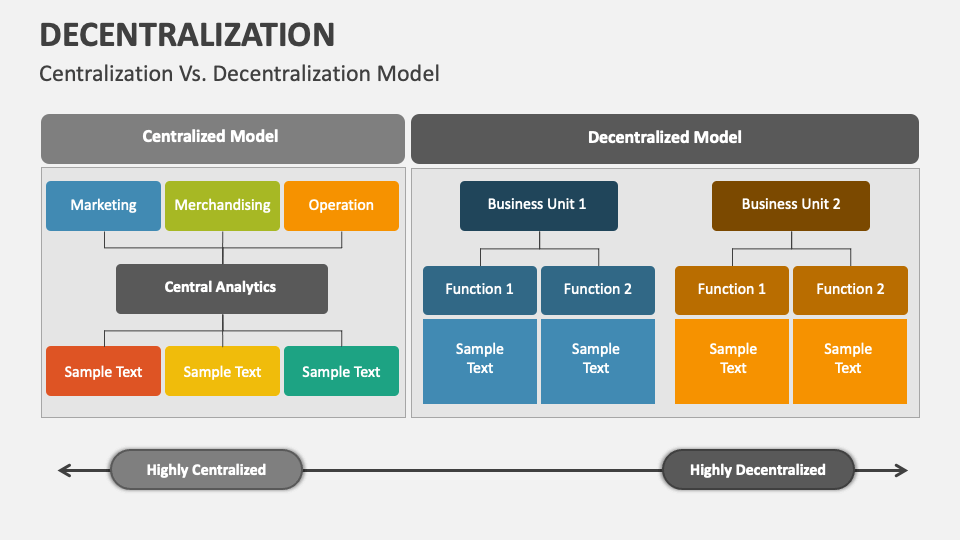

The decentralization model is a pivotal aspect of the evolving landscape of cryptocurrency, as highlighted by Ethereum co-founder Vitalik Buterin in his insightful article, “Balance of Power.” Buterin emphasizes the critical need for projects not to overlook this model in favor of solely pursuing a business model focused on resource acquisition. He warns against the power concentration risks inherent in many cryptocurrency projects, advocating for a thoughtful implementation of checks and balances in crypto governance. While some applications achieve decentralization more naturally, others require deliberate design to ensure a balanced power dynamic. This conversation is essential, as it can significantly influence the future direction of Ethereum governance and the wider cryptocurrency ecosystem, fostering a more equitable distribution of power among stakeholders.

Exploring the principles of distributed authority within the realm of digital currencies reveals the importance of adopting a decentralization paradigm. This framework serves as a countermeasure against the dangers associated with concentrated control within blockchain technologies, emphasizing the need for a comprehensive governance structure that mitigates systemic vulnerabilities. Vitalik Buterin’s recent insights spotlight the necessity for innovative projects to integrate this model alongside their operational strategies to ensure sustainability. By prioritizing a balanced approach, cryptocurrency initiatives can enhance their resilience to potential pitfalls while fostering an inclusive environment for all participants. Ultimately, the adoption of this decentralized approach can redefine the dynamics of power distribution in the digital economy.
The Importance of Decentralization in Cryptocurrency
Decentralization plays a pivotal role in reshaping the future of cryptocurrency. Vitalik Buterin emphasizes that the decentralization model is not merely a technical feature but a fundamental principle that underpins the ethos of blockchain technology. By ensuring that no single entity holds excessive power, projects can create a more equitable environment that supports innovation and diverse governance. This is essential in addressing power concentration risks that might arise in projects that overlook decentralization.
Furthermore, decentralized models contribute to a more robust cryptocurrency ecosystem by fostering participation from a broader audience. When stakeholders are empowered to participate in the governance process, it results in a dynamic balance of power that mitigates the risks associated with centralization. By incorporating checks and balances in crypto governance, Ethereum and other projects can safeguard themselves against the vulnerabilities that come with central authority, ultimately enhancing the community’s trust in the network.
Checks and Balances in Ethereum Governance
Vitalik Buterin’s framework for checks and balances within Ethereum governance highlights the necessity for a structured approach to decision-making. The inherent nature of blockchain technology allows for diverse input from various stakeholders, ensuring that no single voice is dominant. This decentralized governance model not only fosters collaboration but also guards against potential abuses of power that centralized systems often encounter. As Ethereum evolves, these mechanisms will be crucial in maintaining a fair platform that contributes to the overall health of the cryptocurrency sphere.
Moreover, implementing effective checks and balances ensures that governance decisions reflect the collective interests of the community, rather than those of a select few. When decisions are subjected to scrutiny and require consensus, it adds layers of accountability, thereby reinforcing trust in the system. As projects like Ethereum assess their governance frameworks, it is vital to integrate these principles to safeguard against the pitfalls of power concentration, allowing for sustainable progress and innovation.
Navigating Power Concentration Risks in Blockchain Projects
In the rapidly evolving world of blockchain, power concentration risks present a significant challenge. Vitalik Buterin notes that many developers concentrate exclusively on creating profitable business models while overlooking the implications of power dynamics within their projects. A failure to address these risks can lead to substantial governance issues, eroding the trust and value that decentralized networks strive to cultivate. Strengthening the decentralization model is, therefore, critical in navigating these complexities, ensuring that the ecosystem can thrive free from undue influence.
By recognizing and addressing power concentration risks through strategic design choices, blockchain projects can create resilient systems. These projects should prioritize decentralized decision-making frameworks that encourage participation from all stakeholders. By embracing a more democratic approach, they can significantly reduce the risks of power imbalances, leading to healthier community involvement and a sustainable model for future developments in the cryptocurrency space.
The Role of Institutional Design in Achieving Decentralization
Vitalik Buterin highlights the necessity of intentional institutional design in fostering decentralization across cryptocurrency projects. Unlike natural systems, where decentralization may arise spontaneously, blockchain initiatives require structured frameworks to maintain equitable power distribution. This structured approach to designing governance processes is critical to prevent power from becoming concentrated in the hands of a few, ensuring that diverse perspectives inform decision-making in the Ethereum ecosystem.
Effective institutional design facilitates a dynamic environment where all participants have a voice in governance. By embedding mechanisms that promote transparency and collective input, projects can mitigate the risks associated with concentrated power. Ultimately, creating tailored governance structures is essential for maximizing the potential of decentralized systems and achieving the balance Vitalik advocates for throughout the cryptocurrency landscape.
Future Directions for Decentralized Governance Models
As the landscape of cryptocurrency evolves, the importance of developing innovative governance models that embrace decentralization will only grow. Vitalik Buterin advocates for continuous exploration of methodologies that blend flexibility and efficiency with decentralized principles. This future direction calls for a careful examination of historical model failures and successes to inform the design of new governance frameworks that mitigate centralization risks.
In this process, projects should remain adaptable, allowing for iterative improvements that respond to community feedback and changing dynamics. By fostering an environment of collaboration and open dialogue, decentralized governance models can not only survive but thrive. This aligns with enhancing checks and balances, enabling projects to maintain integrity while ensuring that power dynamics remain equitable for all participants within the ecosystem.
Decentralization vs. Centralization: A Delicate Balance
The ongoing debate between decentralization and centralization in blockchain technology has crucial implications for the future of the industry. Vitalik Buterin sheds light on the challenges that come with achieving a balance between operational efficiency and the risks of concentrated power. While centralized models can streamline decision-making processes, they compromise the core principles that define cryptocurrency, such as transparency and distributed control.
Discovering a harmonious balance is essential for projects that aim to foster trust within their communities. By prioritizing decentralization in governance structures, blockchain initiatives can create sustainable systems that facilitate innovation while minimizing the risks associated with governing power concentration. The delicate balance necessitates an ongoing commitment to revisiting governance strategies to maintain the foundational ethos of cryptocurrency as it continues to evolve.
The Community’s Role in Shaping Decentralized Models
Vitalik Buterin stresses the critical role that community engagement plays in shaping decentralized models within cryptocurrency projects. Communities must be actively involved in governance decisions to ensure that the system reflects their collective interests. By encouraging participation and collaboration, project teams can cultivate a sense of ownership among stakeholders, enhancing the effectiveness of decentralized governance.
Moreover, when communities are empowered to voice their perspectives, it fosters an atmosphere of accountability, reinforcing the importance of checks and balances in crypto governance. As project teams design their governance frameworks, they should prioritize mechanisms that allow for meaningful participation, promoting transparency and fairness. Ultimately, empowering the community will result in more resilient projects that can navigate the complexities of the cryptocurrency landscape.
Implementing Effective Decentralization Strategies
To address the challenges associated with concentration of power, implementing effective decentralization strategies is paramount for cryptocurrency projects. Vitalik Buterin advocates for robust frameworks that guide the transition from centralized to decentralized systems, emphasizing the need for structured approaches that facilitate governance. Projects must delineate clear roles and processes to ensure that every stakeholder’s voice is recognized and valued.
Incorporating mechanisms that support transparency and inclusivity in governance decisions will help mitigate potential power concentration risks. Engaging with the community to gather diverse opinions and inputs can lead to more balanced governance structures, ultimately fostering a resilient and trustworthy ecosystem. Additionally, continuous evaluation of these strategies will enhance their effectiveness and adaptability, ensuring sustainability in the face of an ever-changing cryptocurrency environment.
Challenges and Opportunities in Decentralized Governance
While decentralized governance presents numerous benefits, it also comes with its share of challenges. Vitalik Buterin highlights the tension between achieving operational efficiency and maintaining equitable power distribution. Projects often grapple with creating governance structures that are both inclusive and responsive to the community while also allowing for quick decision-making. Identifying and overcoming these challenges is crucial to avoid potential pitfalls that may arise from poorly designed governance models.
However, these challenges also present opportunities for innovation in the cryptocurrency sector. By experimenting with various governance frameworks and learning from both successes and failures, projects can create unique solutions that address decentralization concerns. This iterative process not only strengthens the governance models but also encourages a culture of collaboration and adaptability, essential for thriving amidst the dynamic nature of the cryptocurrency landscape.
Frequently Asked Questions
What is the importance of a decentralization model in cryptocurrency projects?
The decentralization model in cryptocurrency projects is crucial for preventing power concentration risks. As highlighted by Vitalik Buterin, it ensures systemic balance and checks and balances within the governance framework, allowing for a more equitable distribution of power among participants.
How do checks and balances in crypto relate to the decentralization model?
Checks and balances in crypto are integral to the decentralization model, as they help prevent any single entity from dominating the decision-making process. This governance structure promotes transparency and accountability, minimizing potential risks associated with power concentration.
In what ways can Ethereum governance benefit from a strong decentralization model?
A strong decentralization model in Ethereum governance can enhance stakeholder participation and foster a more robust community-driven approach. By addressing power concentration risks, it encourages diverse input and innovation, aligning with Buterin’s vision for a balanced power structure.
What challenges do cryptocurrency projects face when implementing their decentralization model?
Cryptocurrency projects often struggle to design effective decentralization models due to the inherent complexity of balancing flexibility and efficiency without succumbing to power concentration risks. As noted by Vitalik Buterin, thoughtful planning and structured design are essential to successfully achieving decentralization.
How does Vitalik Buterin’s view on decentralization model impact future cryptocurrency developments?
Vitalik Buterin’s emphasis on the decentralization model encourages future cryptocurrency developments to prioritize power structures alongside business models. This perspective aims to mitigate systemic risks and enhance sustainability within cryptocurrencies by promoting a balanced governance framework.
Why is decentralization sometimes more challenging to achieve in certain projects?
Decentralization can be more challenging in specific projects because it requires intentional structural design. Unlike naturally decentralized systems, such as language or certain protocols, many cryptocurrency projects may inadvertently evolve towards centralization without conscious efforts to embed decentralization principles.
What are the systemic risks associated with poor decentralization models in crypto?
Poor decentralization models can lead to significant systemic risks, including power imbalances, reduced transparency, and vulnerability to manipulation. These risks compromise the integrity of cryptocurrency projects, as they can stifle innovation and alienate community members, ultimately threatening project success.
How can cryptocurrency teams ensure a balanced power distribution in their decentralization model?
Cryptocurrency teams can ensure balanced power distribution by designing robust governance mechanisms that incorporate multi-stakeholder input, regular audits, and adaptive policies. Platforms should reflect Vitalik Buterin’s principles by viewing the decentralization model as a critical component of their overall strategy.
| Key Points |
|---|
| Vitalik Buterin’s article “Balance of Power” discusses the themes of power dynamics and checks and balances in cryptocurrency projects. |
| Many projects focus on the “business model” for acquiring resources but neglect the “decentralization model,” which is vital to reduce risks of power concentration. |
| Decentralization can be easier in systems with no central control, like the English language and open protocols (TCP/IP/HTTP). |
| In some cases, decentralization is not natural and requires careful design by project teams. |
| Flexibility and efficiency akin to centralization must be balanced against the risks of concentrated power. |
| Vitalik urges teams to regard the “decentralization model” as crucial as the business model in their strategic planning. |
Summary
The decentralization model is a critical concept that must be prioritized alongside the business model in the development of cryptocurrency projects. Vitalik Buterin’s insights reveal that while obtaining resources is essential, a well-designed decentralization model is equally vital for preventing power concentration and associated risks. This strategic balance will shape the future of the cryptocurrency industry, requiring innovative thinking from project teams.