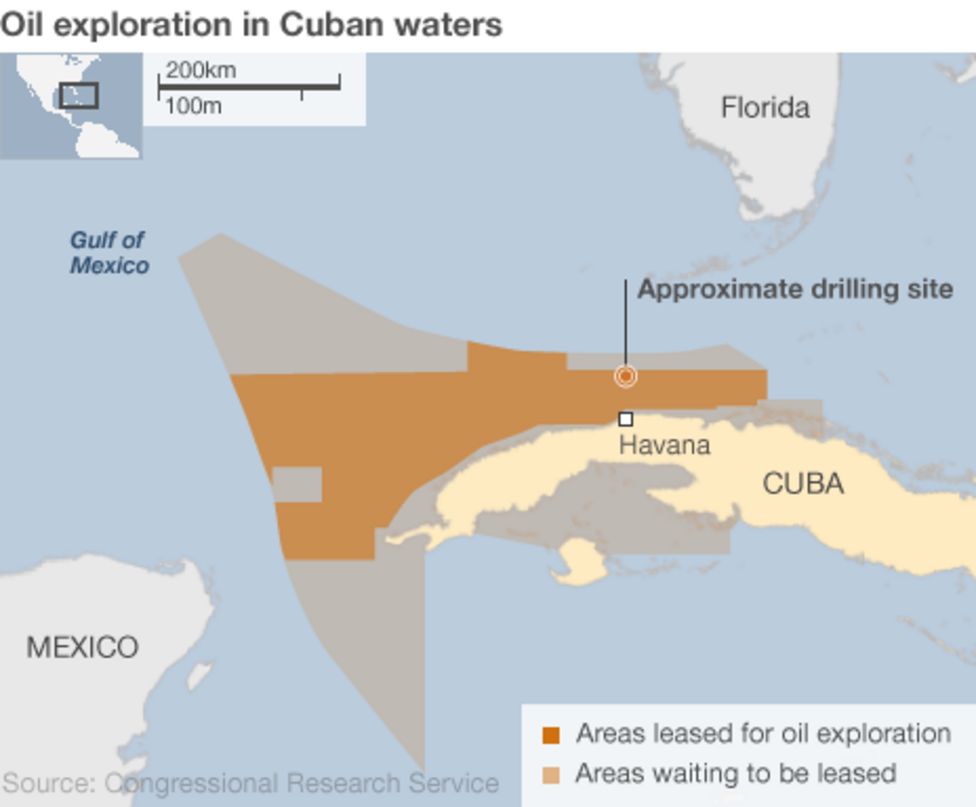

The Cuban oil imports blockade has emerged as a pivotal issue under the Trump administration, which is exploring aggressive strategies to instigate regime change in Cuba. Reports suggest that a maritime blockade on oil imports is under consideration, tapping into longstanding US foreign policy objectives aimed at destabilizing the Cuban regime. This potential move reflects heightened tensions, particularly in the context of disrupting the historical oil trade between Cuba and Venezuela, a connection that has sustained Cuba’s economy for years. By leveraging such drastic measures, the Trump administration hopes to pressure Havana and signal a strong stance against perceived threats from leftist governments in the region. With the implications of this blockade rippling through both the Cuban and Venezuelan oil markets, the global oil landscape remains poised for significant shifts should these plans proceed.
In the realm of international relations, the potential embargo on oil shipments to Cuba comes as a forceful element of the ongoing discourse surrounding US-Cuba relations. This paradigm shift—initiated by the Trump administration—focuses on enforcing stricter oil import regulations, aiming to undermine the financial stability of the Cuban government. As factions within the US government push for dramatic changes, the possibility of cutting off oil supplies not only threatens to affect Cuba but may also disrupt its historical ties with Venezuela. The strategic implications of such a blockade are far-reaching, hinting at a broader push within US foreign policy to recalibrate the geopolitical dynamics within Latin America. The stakes are high, as the repercussions of these actions could resonate across the region, fundamentally altering the oil trade framework that has long supported Cuba.
| Key Points | Details |
|---|---|
| Context | The Trump administration is considering a maritime blockade on Cuban oil imports as part of efforts for regime change in Cuba. |
| Sources | Report based on Politico and three informed sources. |
| Government Factions | The move has been pushed by factions critical of the Cuban regime, with support from Secretary of State Rubio. |
| Current Status | No decision has been made yet, but the blockade could be part of options presented to Trump. |
| Previous Measures | The blockade would be a stronger action compared to Trump’s previous statement about stopping Venezuelan oil imports. |
Summary
The Cuban oil imports blockade is a significant potential measure being considered by the Trump administration aimed at exerting pressure on the Cuban government. This blockade reflects ongoing tensions and the desire among certain U.S. factions for regime change in Cuba. As the situation evolves, any final decision on the blockade could have profound implications not only for U.S.-Cuba relations but also for Cuba’s energy supply, historically dependent on Venezuela.
Implications of the Cuban Oil Imports Blockade
The potential blockade on Cuban oil imports raises significant concerns regarding the humanitarian and economic implications for the Cuban population. Should this maritime blockade be enacted, it would dramatically reduce the availability of essential fuel, leading to energy shortages across the nation. With Cuba heavily reliant on oil imports, especially from Venezuela, the absence of these resources could severely impact daily life, exacerbating existing economic difficulties. Furthermore, the blockade may lead to an increase in unrest among the Cuban citizenry, who may see the government as culpable for the ensuing hardships.
Moreover, the US government’s decision to implement a blockade on Cuban oil imports would represent a significant shift in US foreign policy regarding Cuba. By targeting the oil industry, the Trump administration aims to cripple the Cuban economy and weaken the current regime. This could initiate a chain reaction, impacting regional allies and destabilizing the already precarious balances of power in Latin America. Additionally, the blockade may entice opponents of the Cuban regime to act, potentially leading to increased provocations within the country.
US Foreign Policy and Regime Change in Cuba
The concept of regime change in Cuba has long been a contentious issue within US foreign policy, especially during the Trump administration. By considering a blockade on Cuban oil imports, the administration is signaling a shift towards more aggressive strategies aimed at inciting change within the island nation. This approach aligns with past policies that have sought to undermine the Cuban government through economic isolation and pressure. Proponents of this view argue that reducing Cuba’s access to critical resources will force the government to capitulate and enact reforms.
Critically, the use of targeted economic measures places a spotlight on the effectiveness of such strategies. While supporters believe they will lead to meaningful change, detractors argue that such policies often backfire, strengthening the regime’s resolve and unity. The rhetoric surrounding oil trade implications is steeped in the idea that diminishing resources will catalyze dissatisfaction among the populace, yet history has shown that those in power may use external pressures as a rallying point to consolidate control. Understanding these dynamics is crucial as the Trump administration navigates the complexities of Cuban politics.
Cuba’s Dependence on Venezuela for Oil
Cuba’s dependence on Venezuelan oil is a critical factor in understanding the ramifications of a potential blockade by the Trump administration. For years, Venezuela has been the primary supplier of crude oil to Cuba, providing the island nation with vital energy resources necessary for its economy. The reliance on a single source of oil not only raises concerns about energy security but also indicates a need for diversification in Cuba’s energy supply to mitigate the impacts of external pressures and sanctions.
Should the Trump administration move forward with a blockade, the consequences for Venezuela and its relationship with Cuba could be significant. Given the ongoing economic crisis in Venezuela, further curtailment of oil exports could lead to a downward spiral for both nations. For Cuba, this could mean searching for alternative sources of oil, which are not readily available due to the international sanctions against them. This scenario underscores the interconnected nature of oil trade within the region and highlights the implications for US foreign policy and its broader goals of promoting regime change.
Criticism of the Trump Administration’s Approach to Cuba
The Trump administration’s heavy-handed approach to Cuba, including potential plans for an oil imports blockade, has drawn criticism from various quarters. Critics argue that isolating the Cuban regime is not only ineffective but also detrimental to the Cuban people who are already suffering under harsh economic conditions. By applying further pressure through sanctions, the administration risks deepening the humanitarian crisis, which could lead to increased migration and destabilization in the region.
Moreover, opponents of the blockade contend that such measures could hinder potential diplomatic opportunities. Engaging in constructive dialogue rather than sanction-based confrontation may yield better outcomes for both the US and Cuba. A dialogue-focused approach could foster understanding and possibly lead to reforms within the Cuban regime without inflicting indiscriminate suffering on the Cuban populace, highlighting the need for a reevaluation of US foreign policy in this context.
Potential Outcomes of Increased Pressure on Cuba
The potential outcomes of increased economic pressure on Cuba, particularly through a blockade on oil imports, are complex and multifaceted. One possible outcome is heightened tensions between the US and Cuba, which could result in retaliatory measures from the Cuban government. This may include increased military posturing, alliances with other Latin American countries that oppose US policies, or a greater reliance on less favorable international partners.
Another potential outcome might be a ripple effect felt across Latin America. Countries such as Venezuela could find themselves further isolated due to their support of Cuba, which may impact their own economic stability. The current political climate in Latin America is sensitive, and any escalations related to Cuba could disrupt regional relations, leading to unpredictable scenarios that could require nuanced foreign policy responses beyond mere sanctions.
Cuban Regime’s Response to External Pressures
In response to external pressures such as a blockade on oil imports, the Cuban regime has historically demonstrated resilience, employing tactics to maintain control and solidarity among its citizens. The leadership often frames these pressures as acts of aggression from the US, using them to garner nationalistic sentiments that can fortify the regime’s position. This creates a narrative that may galvanize support among the populace, positioning the government as a defender against foreign hostility.
Additionally, the regime may seek to diversify its economic partnerships to mitigate the effects of a blockade. This could include strengthening ties with other nations in the region that may provide alternative oil sources or trade opportunities. Engaging with nations that have ideological alignments may serve to buffer the Cuban economy against direct impacts from US sanctions, illustrating the adaptability of the Cuban regime in the face of external challenges.
The Role of Secretary of State in Cuban Oil Policy
Secretary of State Rubio has been a notable advocate for stricter US policies toward Cuba, including potential blockades impacting oil imports. His influence on US foreign policy has sparked debates surrounding the effectiveness of such measures in achieving meaningful progress towards regime change in Cuba. Advocates for Rubio’s approach argue that firm, decisive actions are necessary to demonstrate US resolve in advocating for democratic reforms in Cuba.
However, critics argue that Rubio’s policies may undermine diplomatic avenues that could lead to substantial improvements in US-Cuba relations. By pursuing a hardline stance, there is a risk of alienating moderate voices both within Cuba and among foreign nations who may provide necessary support to encourage dialogue. The Secretary’s role, therefore, is pivotal in shaping the trajectory of US relations with Cuba, with potential ramifications for regional stability and the broader geopolitical landscape.
Monitoring Developments in US-Cuba Relations
As the Trump administration contemplates a blockade on Cuban oil imports, it becomes increasingly crucial to monitor developments in US-Cuba relations. The potential implementation of such drastic measures invites widespread scrutiny from policymakers, scholars, and activists alike who are concerned about the implications for both nations. Continuous assessment of Cuba’s economic responses and domestic stability will be critical in understanding whether the blockade achieves its intended goals or if it leads to greater suffering for the Cuban people.
Moreover, engagement with international allies and organizations will play a significant role in shaping the narrative around Cuba. By tracking the reactions of regional players and potential collaborators, observers can gauge the implications of US policies on its standing within the global community. As tensions rise over Cuba’s oil dependency, the direction of US foreign policy will undoubtedly influence diplomatic dialogues and actions across the hemisphere.
The Future of US-Cuban Relations
Looking ahead, the future of US-Cuban relations appears fraught with uncertainty, particularly in light of potential blockades concerning oil imports. The prospect of increased sanctions could either open avenues for negotiations—as the Cuban government seeks alternative means for economic survival—or could deepen the divide further, entrenching both parties in opposition to one another. The complexity of this relationship demands careful consideration of both historical context and current geopolitical environments.
Furthermore, as the Cuban regime faces mounting pressures, the responses from both sides will shape the course of future interactions. The balancing act between enforcing policy, supporting the Cuban populace, and fostering regional stability presents a challenging landscape for US leaders. It remains to be seen whether the strategy of isolation will yield the desired outcomes, or whether engagement and cooperation might provide a more fruitful path toward lasting change and improved relations.
Frequently Asked Questions
What is the impact of the Cuban oil imports blockade proposed by the Trump administration?
The proposed blockade on Cuban oil imports by the Trump administration aims to significantly disrupt Cuba’s oil trade, which heavily relies on imports from Venezuela. This measure could exacerbate the economic challenges faced by the Cuban regime and may contribute to a political regime change in Cuba.
How does US foreign policy affect Cuban oil imports?
US foreign policy plays a crucial role in shaping the Cuban oil imports landscape. The Trump administration’s potential blockade is designed to limit Cuba’s access to oil imports, particularly from Venezuela, thereby using economic pressure as a tool for promoting regime change in Cuba.
What are the implications of US sanctions on Cuba’s oil trade?
US sanctions, including the proposed blockade on Cuban oil imports, could lead to severe shortages of oil in Cuba, impacting energy supplies, economic stability, and public welfare. This could further provoke unrest and support the goals of factions within the US government advocating for regime change.
Does the blockade on Cuban oil imports target Venezuela’s oil exports?
Yes, the blockade on Cuban oil imports directly targets the oil trade relationship between Cuba and Venezuela. Historically, Venezuela has been Cuba’s primary supplier of crude oil, and the US intends to cut off this supply to weaken the Cuban regime.
Who supports the Cuban oil imports blockade within the Trump administration?
Factions within the Trump administration, particularly those critical of the Cuban regime, support the Cuban oil imports blockade. Notably, Secretary of State Marco Rubio has been a prominent advocate for these measures, pushing for stronger actions against Cuba.
What alternatives does Cuba have if the oil imports blockade is enacted?
If the Cuban oil imports blockade is enacted, Cuba may need to seek alternative sources of oil supply, potentially looking to other countries or relying on domestic resources. However, the effectiveness and availability of such alternatives remain uncertain under the pressure of US foreign policy.
How could the blockade on Cuban oil imports influence regime change in Cuba?
The blockade on Cuban oil imports could increase economic hardship in Cuba, heightening public dissatisfaction with the government. Such conditions might create a conducive environment for regime change, aligning with the Trump administration’s foreign policy goals regarding Cuba.
Related: More from Regulation & Policy | Anthropic Completes 0 Billion Funding Round, Valuing Company at 80 Billion | Gold Market Speculation: What Treasury Secretary Bessent Says