
Close Menu
Bpay News
  • Latest News
  • Insight 🔥
  • FlowDesk
  • Terminal⭐️
  • Bitcoin
  • Currencies
  • Forex News
  • Learn
What's Hot

Shannon Sharpe Addresses ESPN Reunion Rumors with Stephen A. Smith

3 days ago

CME Gaps: Why Bitcoin’s $60k Drop Shows They Don’t Always Fill

3 days ago

Binance Withdrawals: 3,500 BTC and 30,000 ETH Moved in Major Transaction

3 days ago
Facebook X (Twitter) Instagram
Facebook X (Twitter) Instagram Pinterest Telegram RSS
Bpay News
  • Latest News
  • Insight 🔥
  • FlowDesk
  • Terminal⭐️
  • Bitcoin
  • Currencies
  • Forex News
  • Learn
Bpay News
Home»Latest News»Crypto’s $19 Billion Collapse Reshapes Trust in Centralized Exchanges
Crypto's $19 Billion Collapse Reshapes Trust in Centralized Exchanges
#post_seo_title #image_title
Latest News

Crypto’s $19 Billion Collapse Reshapes Trust in Centralized Exchanges

Bpay NewsBy Bpay News4 months agoUpdated:October 14, 20253 Mins Read
Share
Facebook Twitter LinkedIn Pinterest Email

Title: Crypto’s $19 Billion Collapse Reshapes Trust in Centralized Exchanges

Aixovia Sponsored Banner

In recent years, the allure of cryptocurrencies has been undeniable. As an emerging asset class, it promised decentralization, security, and an escape from the traditional financial ecosystem’s pitfalls. However, the dramatic collapse involving $19 billion in assets has triggered a seismic shift in the way investors perceive and interact with centralized cryptocurrency exchanges.

In an era where blockchain technology espouses the elimination of middlemen for a direct peer-to-peer system, centralized exchanges have played an indispensable but paradoxical role in the crypto landscape. These platforms, such as Coinbase, Binance, and others, act as custodians of users’ assets, providing a familiar interface for buying, selling, and storing cryptocurrencies. Yet, by wielding such control, they also pose systemic risks—as painfully observed in recent events.

The collapse steered a narrative fraught with panic, mistrust, and disbelief, primarily due to the loss of billions in investor money. This disastrous outcome was compounded by the lackluster regulatory environment surrounding digital currencies, where many centralized exchanges operate in a gray area, with differing degrees of compliance and security measures.

The implications of this event are manifold. First and foremost, it underlined the vulnerabilities inherent in centralized systems. Unlike decentralized exchanges (DEXs) where transactions are automated and based on smart contracts without intermediaries, centralized platforms are susceptible to mismanagement, fraud, and external cybersecurity threats. The massive loss highlighted the urgent need for stringent regulatory frameworks to ensure that these platforms implement robust security measures, transparent operational procedures, and fair user agreements.

Amidst this upheaval, the concept of “not your keys, not your coins” gained renewed attention. This principle, which asserts that one only truly owns the cryptocurrency if they hold the private keys, has driven users towards non-custodial wallets and DEXs. These platforms mitigate some risks by allowing users to trade directly from their wallets, ensuring they maintain control of their private keys.

The collapse also had an indelible impact on existing and prospective investors’ psyche. Trust, a critical component of any financial system, has been tarnished. For many, crypto investments now come with a heightened sense of caution, with due diligence extending not only to the assets one chooses to invest in but also to the platforms on which they are traded. Educational initiatives around the security of assets and the importance of self-custody have become more paramount than ever.

Moreover, this shift is gradually being mirrored in the investment strategies of institutional players. After the collapse, there is visible hesitancy from larger financial entities to engage with centralized exchanges without transparent assurance of compliance and security.

Still, the narrative is not entirely bleak. The calamity serves as a necessary purge and a catalyst for maturity in the cryptocurrency sector. It forces a re-examination of the roles of different types of crypto exchanges and pushes for advancements in decentralized technologies. Additionally, it acts as a clarion call to regulators worldwide to accelerate the establishment of comprehensive and cohesive regulatory frameworks that can nurture and rein in the crypto industry.

As we advance, the reshaping of trust in centralized exchanges continues to evolve the crypto landscape in profound ways. It reaffirms the founding principles of cryptocurrency—decentralization, immutability, and security. For the crypto market to regain and grow the trust of the global investor base, adapting to these principles isn’t just preferable—it’s imperative. The $19 billion collapse is not just a lesson; it’s a roadmap for a more resilient future in decentralized finance.

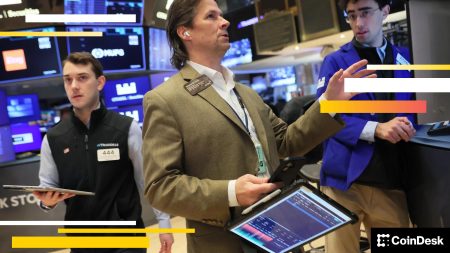
billion Centralized Collapse CRYPTOS exchanges Reshapes Trust
Share. Facebook Twitter Pinterest LinkedIn Tumblr Telegram Email
Previous ArticleKey Market Information Discrepancy Highlighted in Alpha Morning Report
Next Article OKX CEO Star: X Layer Does Not Oppose Meme Coins or Neutral Control

Related Posts

Latest News 3 days ago13 Mins Read

CME Gaps: Why Bitcoin’s $60k Drop Shows They Don’t Always Fill

3 days ago
Latest News 3 days ago10 Mins Read

Binance Withdrawals: 3,500 BTC and 30,000 ETH Moved in Major Transaction

3 days ago
Latest News 3 days ago4 Mins Read

Gold Market Speculation: What Treasury Secretary Bessent Says

3 days ago
Add A Comment
Leave A Reply Cancel Reply

Subscribe

There was an error trying to submit your form. Please try again.

This field is required.

There was an error trying to submit your form. Please try again.

Recent Post

  • Shannon Sharpe Addresses ESPN Reunion Rumors with Stephen A. Smith3 days ago
  • CME Gaps: Why Bitcoin’s $60k Drop Shows They Don’t Always Fill3 days ago
  • Binance Withdrawals: 3,500 BTC and 30,000 ETH Moved in Major Transaction3 days ago
  • Gold Market Speculation: What Treasury Secretary Bessent Says3 days ago
  • Bitcoin Price Analysis: Are New Macro Lows Looming for BTC?3 days ago
  • Bitcoin Strategy Insights: Chaitanya Jain’s Unwavering BTC Buying Approach3 days ago
  • Bitcoin $71,500 Zone: A Crucial Test for Market Sentiment3 days ago
  • Cryptocurrency Liquidation: What Caused 314 Million USD Losses?3 days ago
  • apoB Testing: A Superior Indicator of Heart Disease Risk?3 days ago
  • Ethereum Network Transactions Hit New Record: What It Means for You3 days ago
  • Bitcoin Capitulation: Understanding Volatility and Market Signals3 days ago
  • Silver Prices Plummet, But Retail Investors Can’t Resist the Allure3 days ago
  • Block Layoffs: How Jack Dorsey’s Restructuring Affects Employees3 days ago
  • Bitcoin Quantum Vulnerability: Is There Really Cause for Alarm?3 days ago
  • 30,000 ETH Withdrawn: What It Means for Binance and Ethereum3 days ago
  • BTC Price Trend Hits New Heights as Market Surges 4.55%3 days ago
  • Coinbase Bitcoin Premium Index: Understanding the Impact of a 25-Day Negative Trend4 days ago
  • ARK Invest Coinbase Stock Sale: What This Means for Investors4 days ago
  • Bitcoin Support Level: Insights on Trading in a Bear Market4 days ago
  • Binance User Profits: How SMXKX Shorted Gold and Silver for Millions4 days ago
Categories
  • Bitcoin
  • Cryptocurrency
  • Forex News
  • Latest News
  • Learn
Crypto
  • Google News
  • Bitcoin
  • Ethereum
  • Ripple
  • Solana
  • Tron
  • XRP
  • Trump
  • BNB
  • Dogecoin
  • USDC
  • BlackRock
  • USDT
FOREX
  • EURUSD
  • GBPUSD
  • DUSD
  • ATUSDT
  • AUDUSD
  • AXSUSD
  • JupUSD
  • KDAUSDT
  • PYUSD

Archives

  • February 2026
  • January 2026
  • December 2025
  • November 2025
  • October 2025
  • September 2025
  • August 2025
© 2026 Powered by BPAY NEWS.
  • Home
  • Terminal
  • FlowDesk
  • About
  • Privacy Policy
  • Terms of Use

Type above and press Enter to search. Press Esc to cancel.