


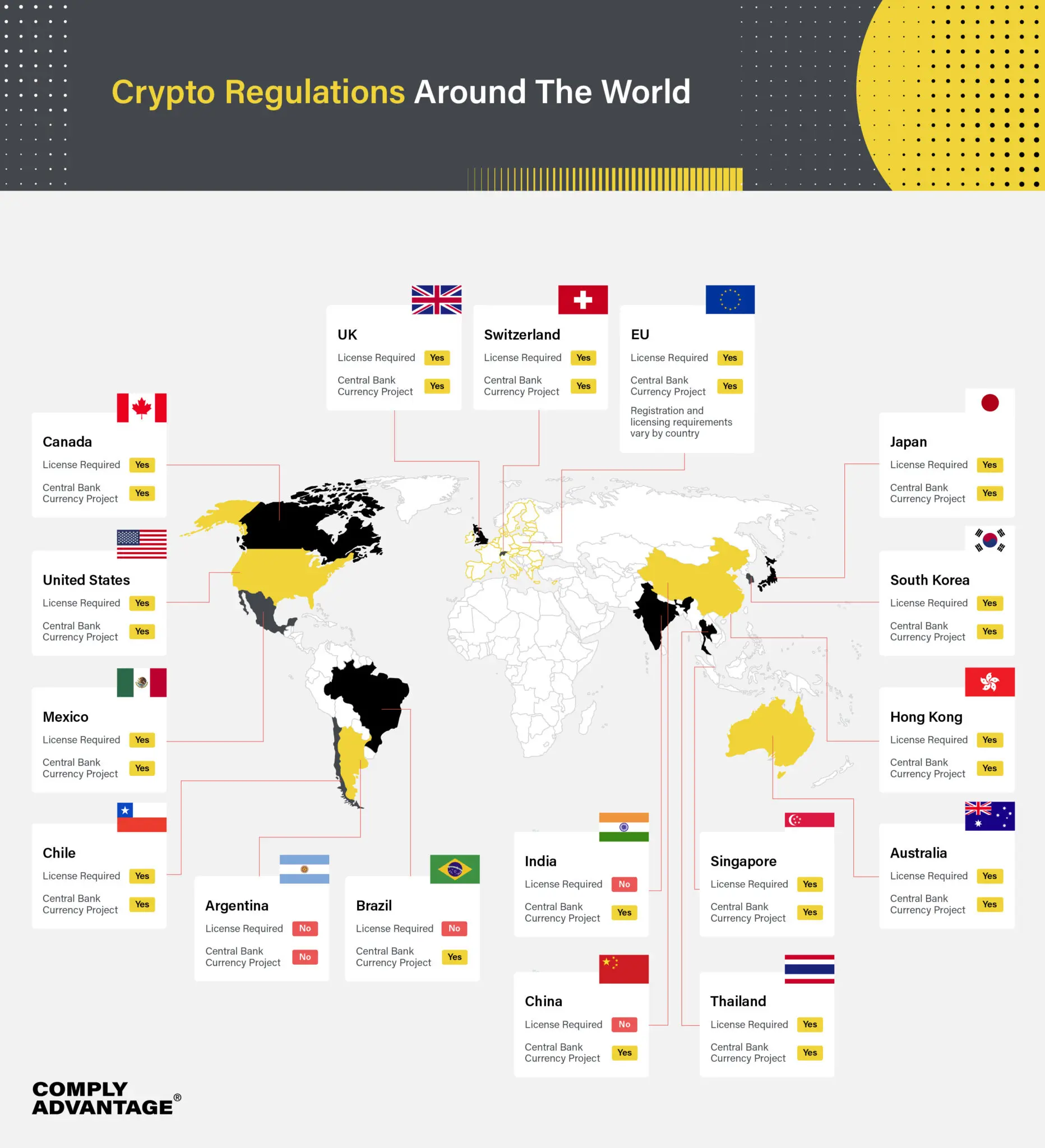

In recent years, cryptocurrency regulations have become a focal point for governments around the world as they strive to create a balanced approach to digital currencies. Russia is stepping up its fight against illegal cryptocurrency miners, aiming to deter unregistered operations that proliferate in the shadows of the economy. Meanwhile, India is taking bold strides towards Central Bank Digital Currency (CBDC) development, promoting stability and trust in the financial system. Additionally, China’s digital yuan interest is spurring banks to innovate, allowing them to offer interest on e-CNY wallets, thereby increasing its market presence. As legislative moves, like the upcoming stablecoin bill, come to the forefront, many nations are exploring the complex landscape of crypto mining legality and associated regulatory frameworks.

The topic of cryptocurrency governance encompasses a range of issues related to the oversight and management of digital assets. As nations grapple with the implications of blockchain technology, they are implementing various measures to regulate and standardize practices around virtual currencies. Countries such as Russia and India are responding to the challenges posed by cryptocurrency, with initiatives aimed at combating unauthorized crypto mining and championing the adoption of central bank-issued digital currencies. At the same time, developments in the digital yuan, alongside legislative efforts regarding stablecoins, highlight a crucial effort to shape an increasingly significant segment of the financial ecosystem. This evolving regulatory environment indicates a growing recognition of the importance of sound governance in the world of digital finance.
Illegal Cryptocurrency Miners: Russia’s Crackdown
Russia is stepping up its enforcement against illegal cryptocurrency miners, reflecting increasing concerns over the rising number of unregistered mining activities. The Ministry of Justice’s recent proposals include hefty fines and potential imprisonment, demonstrating the government’s commitment to regulating this burgeoning sector. With reports indicating that only 30% of miners are operating legally, the push towards stricter regulations is intended to curb unauthorized mining operations that potentially disrupt the established economic order.
The concerns surrounding illegal cryptocurrency mining are amplified by claims that these activities often generate ‘outsized profits,’ which can pose significant risks to both the financial system and national security. In response, the finance ministry is advocating for clear legal frameworks that could lead to increased transparency and accountability in the crypto mining industry. This crackdown exemplifies Russia’s larger strategy to integrate cryptocurrency into its economy while minimizing risks associated with unregulated mining.
The Future of Central Bank Digital Currencies (CBDCs)
India is at the forefront of the CBDC development wave, urging other nations to prioritize the establishment of their own digital currencies. The Reserve Bank of India (RBI) has been vocally supportive of this initiative, stressing that CBDCs can enhance the integrity of financial systems while providing competitive features typically associated with stablecoins. By advocating for digital currency innovations, India is fostering an environment where the safety and efficiency of transactions can co-exist, potentially reshaping global financial landscapes.
China’s recent decision to allow banks to offer interest on digital yuan deposits marks a significant milestone in CBDC adoption. This strategic move is not just about creating a digital equivalent of cash; it signifies the transition of the digital yuan into a vital element of the country’s financial infrastructure. As nations continue to explore their CBDCs, the experiences and lessons from both India and China could serve as influential models for others, demonstrating the potential benefits of integrating digital currencies into their economies.
Stablecoin Legislation in Focus: A Global Perspective
In the United States, the push for regulatory clarity regarding stablecoins is gaining momentum, with lawmakers striving to craft a comprehensive crypto market structure bill. As the debate continues over the Responsible Financial Innovation Act, the necessity for robust regulations around stablecoins becomes increasingly apparent. Given the 2025 surge in stablecoin adoption, policymakers must address inherent risks and ensure that investors are protected without stifling innovation in the digital asset space.
Similarly, South Korea’s stalled progress on its stablecoin bill highlights the challenges that arise during the regulatory development process. The proposed Digital Asset Basic Act aims to create a framework for won-backed stablecoins, but disagreements among regulatory bodies have hampered advancements. As the global stablecoin landscape evolves, it will be crucial for governments to strike a balance between regulatory oversight and fostering innovation, ensuring that any future stablecoin legislation supports both economic stability and financial inclusion.
Russia’s Regulations and Crypto Mining Legality
The Russian government’s crackdown on illegal cryptocurrency mining has sparked discussions about the legality and regulation of crypto operations. With the proposed penalties for unregistered miners set to deter unauthorized activities, the nation’s approach signals a shift towards formalizing the cryptocurrency sector. This newly proposed legal framework not only aims to control illegal mining but also to potentially provide a pathway for legitimate enterprises to thrive in the crypto space.
As cryptocurrency mining legality becomes more defined in Russia, miners will need to navigate a landscape marked by compliance with new regulations. The implications of these legal changes will likely resonate throughout the industry, affecting everything from investment strategies to operational setups. By implementing strict regulations, Russia hopes to lead the charge in establishing a regulated mining ecosystem that prioritizes efficiency and aligns with national interests.
China’s Digital Yuan and Global CBDC Trends
The People’s Bank of China’s permission for banks to offer interest on digital yuan balances underscores its commitment to enhancing the functionality of CBDCs. This strategic initiative is a significant development in the evolution of national digital currencies, enabling the digital yuan not merely to replace cash but to become a pivotal asset within the financial system. As central banks globally delve into CBDC development, China’s proactive measures may set a precedent for how digital currencies evolve in functionality and integration.
The introduction of interest on digital yuan accounts could incentivize users to adopt the e-CNY, thereby driving broader acceptance. As the digital yuan continues to develop, insights from its implementation may provide valuable lessons for other countries exploring their own CBDC frameworks. With nations like India and Russia also positioning themselves in the digital currency arena, the global CBDC landscape is on the brink of transformation, shaping financial interactions for years to come.
International Shifts: India’s CBDC Leadership
India’s advocacy for Central Bank Digital Currencies (CBDCs) illustrates its ambition to become a leader in the digital financial ecosystem. The Reserve Bank of India’s (RBI) emphasis on ensuring the financial system’s integrity aligns with global trends pushing for digital currency models that can withstand economic volatility. As countries explore CBDCs, India’s forward-thinking approach might serve as a blueprint for developing nations, highlighting the necessity for policy adaptability in response to emerging financial technologies.
Moreover, the RBI’s stance conveys a clear message regarding the potential threats posed by unregulated digital assets, such as stablecoins. By promoting CBDCs, India aims to mitigate risks associated with cryptocurrency volatility while offering consumers the technological advantages of digital currency. As the call for regulatory frameworks grows, India’s leadership role could influence other countries’ decisions regarding their digital currency strategies, pushing for a collaborative international effort in safeguarding economic interests.
The Impact of Illegal Mining on Cryptocurrency Markets
Illegal cryptocurrency mining not only poses financial risks to national economies but also affects the overall perception of the crypto industry. As countries like Russia implement stringent regulations against unregistered miners, the ripple effects may be felt across global cryptocurrency markets. Investors often view unregulated activities as symptomatic of a broader lack of oversight, which can create skepticism and volatility within the market. Proper regulation could enhance trust and stimulate investment in legitimate mining operations.
The consequences of illegal mining extend beyond immediate financial penalties; they can also shape future policy considerations. As governments grapple with how to effectively regulate this burgeoning industry, the challenges of illegal mining underscore the urgency for comprehensive legislation that balances innovation with accountability. By addressing these concerns head-on, authorities can foster a more sustainable environment for cryptocurrency mining that benefits all stakeholders.
Legislation and Its Role in the Crypto Landscape
The interplay between legislation and the cryptocurrency landscape is becoming increasingly important as digital assets evolve. Countries across the globe are navigating uncharted waters, with regulators striving to find a balance between fostering innovation and protecting investors. Recent developments, such as the stalled stablecoin bill in South Korea and the proposed regulations in the United States, demonstrate the global imperative for coherent and well-defined cryptocurrency regulations. Without clear legislative frameworks, the future of the crypto market might face challenges that hinder growth and adoption.
Furthermore, the conversation around legislation is also steeped in discussions about the security and integrity of financial systems. As seen in India’s and Russia’s approaches to CBDCs and crypto mining, policymakers are increasingly aware of the implications that unregulated cryptocurrency activities can have on their economies. As legislation evolves, it will be pivotal for stakeholders to engage in dialogue, ensuring that regulations support a robust and responsible cryptocurrency ecosystem.
Turkmenistan: A New Frontier in Crypto Legality
Turkmenistan’s recent legalization of cryptocurrency trading and mining represents a significant shift in the region’s approach to digital assets. By adopting a legal framework that permits crypto operations, the government is positioning itself as an emerging player in the global crypto market. This move not only provides local investors with new opportunities but also attracts foreign investors keen to explore the low-cost energy resources that the country has to offer.
As Turkmenistan embarks on its journey into the realm of legal cryptocurrency activities, compliance with local regulations will be essential for both domestic and international investors. Striking a balance between enabling innovation and adhering to regulations established under anti-money laundering laws will be critical. As this landscape evolves, Turkmenistan may potentially set a precedent for other countries in the region considering similar legislative changes.
Frequently Asked Questions
What are the regulations regarding illegal cryptocurrency miners in Russia?
Russia is intensifying its regulations against illegal cryptocurrency miners. Proposed penalties include fines ranging from 1.5 million rubles (approximately $19,000) to 2.5 million rubles, alongside potential imprisonment of up to five years for those profiting from unauthorized mining activities. As of June 2023, only 30% of cryptocurrency miners in Russia were registered.
How is India approaching the development of Central Bank Digital Currencies (CBDCs)?
India is actively pushing for the development of CBDCs, with the Reserve Bank of India (RBI) encouraging other nations to focus on similar initiatives. The RBI believes CBDCs can provide the programmability and efficient settlements akin to stablecoins while ensuring the safety and integrity of the financial system.
What is the current status of the stablecoin bill in South Korea?
Progress on the stablecoin bill in South Korea has been stalled due to disagreements over regulations. The proposed Digital Asset Basic Act aims to set guidelines for won-backed stablecoins, but internal disputes have hindered advancements, leading lawmakers to consider alternative proposals.
What steps is China taking to promote the digital yuan through interest rates?
China’s People’s Bank has recently allowed commercial banks to offer interest on digital yuan (e-CNY) wallet balances, enhancing its use beyond a cash substitute. This initiative is part of China’s broader goal to fully develop its CBDC and increase its adoption and functionality in the financial markets.
How does Turkmenistan’s legalization of crypto trading and mining affect its economy?
Turkmenistan has legalized crypto trading and mining as of January 2023, aligning with neighboring Kazakhstan’s approach. The law allows both local and foreign companies to operate in the country provided they comply with registration requirements and local regulations, leveraging the nation’s energy surplus for mining activities.
What are the risks associated with stablecoins as highlighted by the Reserve Bank of India?
The Reserve Bank of India has expressed concerns that stablecoins may pose monetary risks, especially in times of market stress. It emphasizes the need for governments to understand the risks associated with stablecoins, which may impact the financial system differently compared to CBDCs.
What legal frameworks are being proposed to manage cryptocurrency mining activities?
Various countries are establishing legal frameworks to manage cryptocurrency mining, with Russia proposing strict penalties for illegal operations. This includes significant fines and potential imprisonment, reflecting a global trend towards regulating the crypto mining sector.
How is the US Congress addressing regulation in the cryptocurrency space?
The US Congress has been working towards establishing a structured regulatory framework for cryptocurrencies. Pro-crypto lawmakers are pushing forward a market structure bill, which seeks to clarify the legality and oversee the operations of digital asset markets, despite facing legislative delays.
| Country/Region | Key Developments | Details |
|---|---|---|
| Russia | Tightening regulations on crypto mining | New penalties proposed for unregistered miners including fines and imprisonment. |
| India | Promotion of CBDCs | RBI emphasizes the development of CBDCs over stablecoins to ensure monetary stability. |
| China | Interest on digital yuan deposits | Banks allowed to offer interest on e-CNY accounts, enhancing its functionality. |
| Uganda | Usage of encrypted messaging for elections | Encouragement to use Bitchat for secure communication ahead of upcoming elections. |
| South Korea | Pause on stablecoin regulation | Disagreements causing delays in the Digital Asset Basic Act. |
| Turkmenistan | Legalization of crypto trading and mining | New law allows for crypto activities, requiring compliance with KYC and AML. |
Summary
Cryptocurrency regulations are evolving globally, with countries taking unique approaches to manage digital assets and their associated risks. Russia is tightening regulations against illegal mining, while India pushes for the adoption of Central Bank Digital Currencies (CBDCs) amid concerns over stablecoins. These regulatory frameworks reflect a growing awareness of the need to address both innovation and risk in the cryptocurrency space, highlighting the importance of establishing clear guidelines for future developments.