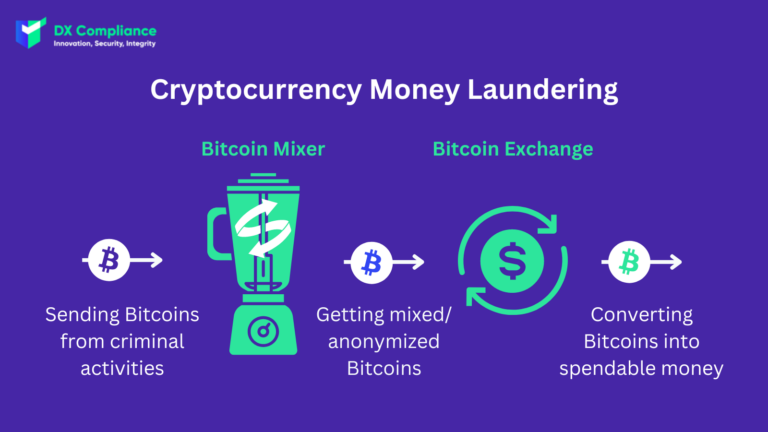

| Key Point | Details |
|---|---|
| Background | Three Chinese nationals were handed over to the prosecution by the Korea Customs Service. |
| Accusations | Involved in a cryptocurrency money laundering scheme involving approximately 150 billion won (about 101.7 million USD). |
| Method Used | Suspects transferred funds through illegal foreign exchange activities from September 2021 to June 2023. |
| Disguise Tactics | Used domestic and foreign cryptocurrency accounts and South Korean bank accounts pretending to pay for plastic surgery and studying abroad. |
| Execution of Scheme | Purchased cryptocurrency overseas, transferred it to South Korea, exchanged it for won, and dispersed into local accounts. |
| Legal Consequence | Charged with violating South Korea’s Foreign Exchange Transaction Act. |
Summary
Cryptocurrency money laundering remains a significant concern globally, as demonstrated by the recent case involving three Chinese nationals in South Korea. They were accused of facilitating a scheme involving substantial funds, showcasing how illicit activities can exploit cryptocurrencies. This case underscores the importance of stringent regulations and monitoring systems in countries around the world to combat the growing threat posed by cryptocurrency-related financial crimes.
Cryptocurrency money laundering has emerged as a pressing issue in the realm of digital finance, drawing significant attention from regulatory bodies across the globe. Recently, the Korea Customs Service highlighted a notable case involving three Chinese nationals suspected of orchestrating a sophisticated money laundering scheme. Allegedly, these individuals transferred around 150 billion won (approximately 101.7 million USD) through illegal foreign exchange operations, complicating efforts to monitor financial activities. Using both domestic and international cryptocurrency accounts, as well as various South Korean banks, they managed to camouflage their illicit transactions under the guise of routine expenses such as plastic surgery and studying abroad. This operation underscores the urgent need for stringent cryptocurrency regulations to combat illegal foreign exchange practices and protect the integrity of financial systems, particularly in South Korea.
The exploitation of digital currencies for nefarious purposes, often referred to as digital asset laundering, has become a growing concern, especially in the context of financial crime. Officials have uncovered a significant operation where individuals engaged in clandestine transactions that circumvent traditional banking scrutiny. These actions not only violate domestic laws but also pose challenges for enforcement agencies like the South Korean prosecution, tasked with addressing such breaches. As technology evolves, so do the tactics used in these illicit schemes, emphasizing the necessity for robust oversight and innovative regulatory frameworks. By understanding the nuances of these operations, authorities can better combat illegal foreign exchange and protect the financial ecosystem from exploitation.
Understanding Cryptocurrency Money Laundering Schemes
Cryptocurrency money laundering schemes have become a pressing concern for global regulatory bodies as they exploit the anonymity of digital currencies. With increased adoption of cryptocurrencies, illicit actors are finding sophisticated ways to move large sums of money undetected. In the context of South Korea, recent events involving the Korea Customs Service highlight the seriousness of these schemes, as authorities have apprehended individuals for transferring massive amounts of money through illegal foreign exchange channels. The anonymity offered by cryptocurrencies provides a veil for these actors, making it challenging for law enforcement to trace the origins of the funds.
The case of the three Chinese nationals is a prime example of how cryptocurrency can be misused to facilitate illegal activities. These suspects allegedly transferred around 150 billion won (roughly 101.7 million USD) under the guise of legitimate transactions for plastic surgery and educational expenses. By utilizing both domestic and foreign cryptocurrency accounts, they were able to disguise their intentions, posing significant challenges for regulatory bodies tasked with maintaining financial integrity. This underlines the necessity for stringent cryptocurrency regulations that delineate clear guidelines to prevent such money laundering attempts.
The Role of the Korea Customs Service in Combatting Financial Crimes
The Korea Customs Service plays a pivotal role in identifying and countering financial crimes associated with cryptocurrency in South Korea. As one of the primary agencies responsible for overseeing foreign exchange transactions, the Customs Service has been instrumental in detecting unlawful activities that could undermine the financial system. The recent handover of the three suspects to the South Korean prosecution is a testament to the agency’s efficacy in handling complex money laundering schemes that involve significant sums of money funneled through digital currencies.
In 2021, the Korea Customs Service initiated a strategy designed to expand their surveillance on cryptocurrency transactions, especially addressing those that may relate to illegal foreign exchanges. The proactive enforcement measures are crucial given that criminal enterprises often utilize digital currencies to obscure their tracks. By enhancing their regulatory and investigative frameworks, the Customs Service aims to create a more transparent environment within the cryptocurrency space, thereby mitigating risks associated with potential money laundering activities.
Legal Implications of Cryptocurrency Regulations in South Korea
The legal landscape surrounding cryptocurrency in South Korea is complex, particularly as authorities respond to evolving financial crimes. The prosecution of individuals involved in money laundering schemes is indicative of the government’s commitment to enforcing the Foreign Exchange Transaction Act. This underscores a significant step toward curbing illegal foreign exchange practices and ensuring that all cryptocurrency-related transactions adhere to stringent regulations.
Regulations surrounding cryptocurrency not only aim to protect investors but also establish a framework that minimizes the risk of financial crimes, including money laundering. In South Korea, stringent guidelines are enforced to monitor cryptocurrency exchanges, compelling them to comply with anti-money laundering (AML) protocols. As the regulatory landscape adapts to the challenges posed by digital currencies, ongoing scrutiny from law enforcement will ensure that illegal foreign exchange practices are met with appropriate legal consequences.
The Intersection of Cryptocurrencies and Illegal Foreign Exchange Activities
Cryptocurrencies have become increasingly intertwined with illegal foreign exchange activities, leading to rising concerns among regulatory authorities. Illegal foreign exchange refers to trading currencies outside the established legal frameworks, often in pursuit of circumventing taxes or capital controls. In South Korea, this practice has been noticeably linked with money laundering schemes, as was demonstrated in the recent case investigated by the Korea Customs Service involving three suspects.
These individuals allegedly utilized cryptocurrency as a vehicle to transfer substantial amounts of money illegally. By disguising their actions under the pretext of legitimate expenses such as education and healthcare, they exploited regulatory gaps. This situation emphasizes the urgent need for comprehensive cryptocurrency regulations that adequately address both money laundering and illicit foreign exchange issues, promoting transparency and accountability in the financial system.
Impacts of Cryptocurrency on South Korea’s Financial Integrity
The influx of cryptocurrencies has undeniably transformed the financial landscape in South Korea, with significant impacts on the nation’s financial integrity. While cryptocurrencies offer innovation and decentralization in monetary transactions, they also pose unique regulatory challenges. Instances of money laundering and illegal foreign exchanges have raised alarms, prompting financial authorities to rethink and revise compliance measures to secure the integrity of the financial system.
As South Korea grapples with the duality of embracing cryptocurrency technologies and managing the associated risks, it has become increasingly vital for regulatory bodies to implement robust measures. The recent actions taken by the Korea Customs Service underscore the ongoing efforts to scrutinize and reinforce the legal boundaries surrounding cryptocurrency and foreign currency transactions. Fostering an environment that promotes both innovation and legality will help preserve the country’s financial reputation on the global stage.
The Future of Cryptocurrency Regulations in South Korea
As cryptocurrency continues to grow in popularity, the future of its regulation in South Korea remains a topic of active discussion and development. The government is tasked with creating a balanced framework that facilitates innovation while effectively combating financial crimes. Current regulations, while aimed at reducing risks associated with money laundering, also need to be adaptable to the fast-evolving nature of cryptocurrency technologies.
Anticipated changes in legislation may include stricter guidelines for reporting and monitoring transactions, especially those involving high volumes of foreign exchange. Additionally, collaboration between multiple government agencies, including the Korea Customs Service and financial oversight bodies, will be crucial in developing effective strategies to address the challenges posed by cryptocurrency. Ensuring a secure financial environment will be paramount as South Korea navigates its cryptocurrency landscape in the coming years.
The Importance of International Cooperation in Combatting Cryptocurrency Crimes
In an increasingly interconnected world, the importance of international cooperation in combatting cryptocurrency crimes cannot be overstated. Financial crimes, including money laundering linked to cryptocurrencies, often cross national boundaries, necessitating collaborative efforts from governments worldwide. South Korea, through initiatives undertaken by the Korea Customs Service, recognizes that tackling these crimes requires a global approach, engaging with international law enforcement and financial regulatory organizations.
The pursuit of criminals using sophisticated methods to obscure the flow of funds only intensifies the need for sharing intelligence and best practices across borders. International partnerships can enhance the effectiveness of investigations, as demonstrated in cases where suspects involved in cryptocurrency money laundering schemes are tracked back to their countries of origin. Strengthening this collaborative framework is essential in creating a unified front against the use of cryptocurrencies for illicit activities while promoting regulatory compliance.
Technological Innovations in Tracking Cryptocurrency Transactions
Technological advancements play a crucial role in enhancing the ability of authorities to track cryptocurrency transactions effectively. With the rise of money laundering schemes, there is an increasing focus on developing tools that can effectively analyze transaction patterns within blockchain technology. Regulatory bodies, including the Korea Customs Service, are investing in innovative solutions that aim to bridge the gaps in monitoring cryptocurrency movements, ensuring that illegal financial activities can be swiftly identified and addressed.
These innovations, such as advanced blockchain analysis software, provide law enforcement with the capabilities to trace transactions with unprecedented accuracy. As financial criminals evolve their methods, so too must regulatory efforts, employing new technologies to maintain oversight. Ultimately, the integration of these technologies will fortify the regulatory landscape, helping to deter the misuse of cryptocurrencies in money laundering and illegal foreign exchange activities.
Raising Public Awareness About Cryptocurrency Risks
Public awareness is a key component in tackling the risks associated with cryptocurrency, particularly concerning money laundering and illegal activities. Education campaigns providing insights into the potential dangers of cryptocurrency investments can empower individuals to recognize red flags. As South Korea enhances its regulatory framework, informing the public about involved risks is equally essential, enabling them to make informed decisions about their financial engagements.
The Korea Customs Service can play a proactive role in disseminating information regarding best practices for cryptocurrency usage. This includes promoting awareness of legitimate trading platforms and warning against the potential pitfalls of engaging in illegal foreign exchange activities. By fostering a well-informed public, regulatory bodies can work towards minimizing the prevalence of money laundering schemes, ultimately contributing to the integrity of the financial ecosystem.
Frequently Asked Questions
What is a cryptocurrency money laundering scheme?
A cryptocurrency money laundering scheme involves illicit activities where individuals utilize cryptocurrencies to hide the origins of illegally obtained funds. Such schemes often disguise the transfer of funds and evade existing regulations, like South Korea’s Foreign Exchange Transaction Act, using various tactics including using multiple accounts and disguising payment purposes.
How is the Korea Customs Service involved in cryptocurrency money laundering cases?
The Korea Customs Service plays a critical role in investigating and addressing cryptocurrency money laundering cases. Recently, they announced the handover of three Chinese nationals suspected of a money laundering scheme, highlighting their efforts to enforce cryptocurrency regulations and combat illegal foreign exchange activities.
What are the penalties for engaging in cryptocurrency money laundering in South Korea?
Engaging in cryptocurrency money laundering in South Korea may lead to severe penalties under the Foreign Exchange Transaction Act. Offenders can face prosecution, monetary fines, and potential imprisonment, reflecting South Korea’s strict stance on illegal foreign exchange and laundering activities.
What tactics do criminals use to conduct illegal foreign exchange through cryptocurrency?
Criminals involved in illegal foreign exchange often use a series of complex tactics, including setting up multiple domestic and international cryptocurrency accounts, disguising transaction purposes (such as claiming they are for personal services like plastic surgery), and exchanging cryptocurrencies for local currency to mask the illegal origin of the funds.
What actions are being taken to strengthen cryptocurrency regulations in South Korea?
To strengthen cryptocurrency regulations, South Korea is actively prosecuting individuals involved in money laundering schemes and enhancing monitoring of cryptocurrency transactions. The Korea Customs Service and other regulatory bodies are focused on enforcing laws to prevent illegal foreign exchange and ensure compliance.
Can cryptocurrency be part of a money laundering scheme if it is transferred internationally?
Yes, cryptocurrency can be utilized in international money laundering schemes. Criminals can transfer funds through various jurisdictions using cryptocurrencies, making it difficult for authorities to trace the origins of funds, as seen in the recent case involving the Korea Customs Service and the three suspects who moved funds from offshore to South Korea.
What is the significance of the recent cryptocurrency money laundering case in South Korea?
The recent case involving the Korea Customs Service signifies the heightened scrutiny on cryptocurrency money laundering in South Korea. The prosecution of the suspects reflects the government’s commitment to enforcing stringent cryptocurrency regulations and combating illegal foreign exchange activities.
How can authorities identify cryptocurrency money laundering schemes?
Authorities can identify cryptocurrency money laundering schemes by monitoring unusual transaction patterns, tracing the flow of funds through various accounts, and analyzing the purposes behind transactions. Compliance with cryptocurrency regulations is crucial in making these detections.
What role do banks play in preventing cryptocurrency money laundering?
Banks play a crucial role in preventing cryptocurrency money laundering by implementing strict Know Your Customer (KYC) policies, monitoring transactions for suspicious activity, and cooperating with regulatory bodies to ensure compliance with cryptocurrency regulations.
How does the prosecution address cryptocurrency money laundering schemes in South Korea?
The prosecution in South Korea addresses cryptocurrency money laundering schemes through legal action against suspects involved in illegal activities, reinforcing the need for compliance with cryptocurrency regulations, and applying penalties to deter future crimes.
Related: More from Regulation & Policy | Judge Halts Binance Effort to Arbitrate US Cryptocurrency Claims | Anthropic Completes 0 Billion Funding Round, Valuing Company at 80 Billion