


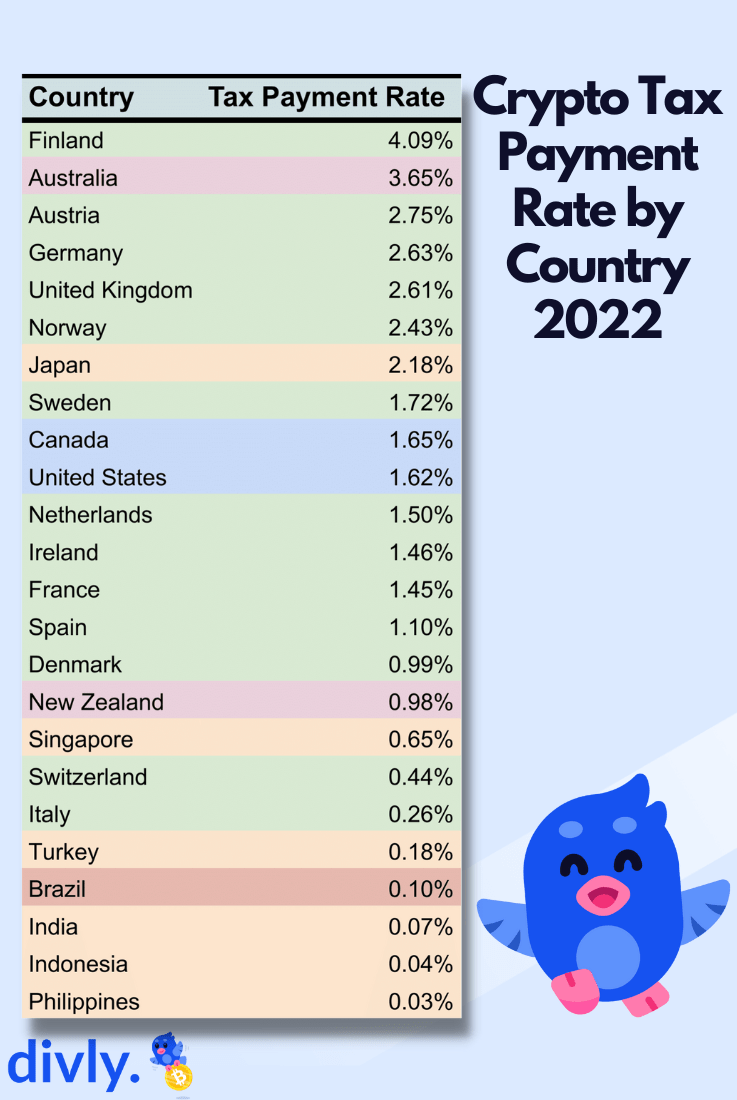

Crypto tax data is set to become a pivotal aspect of compliance for investors as 48 countries begin implementing measures to record crypto wallet transactions for tax purposes. With the introduction of the Crypto-Asset Reporting Framework (CARF), established by the OECD, the landscape of tax transparency will evolve significantly by 2027. Starting January 1st, crypto service providers, including exchanges and brokers, will be obligated to collect detailed transaction data, paving the way for a new era of accountability. This initiative not only aims to combat tax evasion but also to enhance the overall integrity of the global financial system. As countries ramp up their efforts to improve tax transparency, understanding these developments around crypto investment tax will be crucial for all stakeholders involved.

The landscape of digital currency taxation is rapidly changing, with significant emphasis placed on the collection of digital asset transaction records. As nations prepare to roll out detailed reporting requirements under the impending Crypto-Asset Reporting Framework, often referred to as CARF, investors must navigate the evolving regulatory environment. This new framework emphasizes the importance of financial transparency concerning virtual assets, as governments worldwide seek to erase ambiguities associated with crypto wallet activity. From compliance with transaction data collection to awareness of potential taxation obligations, embracing these changes is becoming essential for anyone involved in the crypto space. Ultimately, fostering a transparent approach will not only enhance tax compliance but also build a more robust financial system.
Understanding the Crypto-Asset Reporting Framework (CARF)
The Crypto-Asset Reporting Framework (CARF) represents a significant step forward in providing a structured approach to crypto tax compliance globally. Developed by the OECD, CARF aims to streamline reporting requirements across jurisdictions, making it easier for tax authorities to monitor and track crypto activities. From fiscal transparency to enhancing global cooperation, the framework has been designed to tackle existing loopholes that have allowed tax evasion through crypto transactions. As we move closer to its enforcement deadline in 2027, understanding the nuances of CARF becomes imperative for crypto investors and service providers alike.
Under CARF, crypto service providers, including exchanges and wallet providers, will be required to gather and report crypto tax data efficiently. This initiative underscores the importance of tax transparency in the digital asset space, fostering a culture of compliance among investors. By establishing standardized reporting procedures, CARF aims to mitigate risks associated with anonymous transactions that have historically been exploited for illicit purposes. Thus, investors must stay informed about their obligations under CARF to avoid potential penalties and ensure compliance with evolving regulations.
Frequently Asked Questions
What is the purpose of crypto tax data collection ahead of CARF 2027?
The purpose of collecting crypto tax data ahead of CARF 2027 is to promote tax transparency and ensure that taxpayers fulfill their tax obligations on crypto investments. This international framework developed by the OECD aims to combat tax evasion and money laundering by monitoring crypto wallet transactions globally.
How will CARF 2027 impact crypto wallet transactions?
CARF 2027 will significantly impact crypto wallet transactions by requiring crypto service providers in 48 countries to collect and report transaction data. This initiative aims to enhance tax transparency and enable tax authorities to track crypto investments, ensuring compliance from taxpayers regardless of where transactions take place.
Which countries are implementing crypto tax data collection in 2023?
In 2023, 48 jurisdictions are beginning to implement crypto tax data collection as part of the CARF initiative. These countries are preparing their legislative frameworks to ensure compliance with CARF by starting to gather necessary data from crypto service providers.
What types of crypto service providers are affected by CARF data collection?
Crypto service providers affected by CARF data collection include centralized and decentralized exchanges, crypto ATMs, brokers, and dealers. Starting from January 1, 2023, these entities are required to collect detailed crypto wallet transaction data for tax purposes.
How does CARF contribute to combating tax evasion in the crypto space?
CARF contributes to combating tax evasion in the crypto space by establishing a standardized framework for reporting crypto tax data. By collecting and sharing information on crypto wallet transactions across participating countries, tax authorities can ensure tax compliance and reduce opportunities for illicit financial activities.
What are the potential uses of CARF data beyond taxation?
Beyond taxation, CARF data may provide insights into crypto ownership and identity, potentially helping authorities identify anonymous holders. This information could be leveraged as an intelligence source to connect identities to suspicious activities, improving overall compliance and security in the crypto ecosystem.
When is the official rollout of CARF set to take place?
The official rollout of CARF is set to take place in 2027, but preliminary data collection by crypto service providers will commence in 2023. This phased approach allows jurisdictions to enhance their tax transparency practices ahead of the full implementation.
How can investors prepare for the upcoming crypto tax data requirements?
Investors can prepare for upcoming crypto tax data requirements by maintaining detailed records of all their crypto wallet transactions, understanding their tax obligations, and utilizing crypto tax software tools like TaxBit to help track and report their crypto investments accurately.
| Key Point | Details |
|---|---|
| CARF Implementation | CARF will officially take effect in 2027, but data collection starts in 2023. |
| Scope of Implementation | 48 countries are beginning to collect crypto transaction data for tax purposes. |
| Objective | To enhance tax compliance and combat tax evasion and illicit activities. |
| Legislative Status | Some countries already have the necessary legislation in place; others are finalizing. |
| Data Utilization | The data could also provide insights into crypto ownership beyond taxation. |
Summary
Crypto tax data collection is set to increase considerably in 48 countries as part of the implementation of CARF, which will help tax authorities enforce compliance in the cryptocurrency space. The adoption of CARF represents a significant step forward in global tax transparency efforts. By requiring crypto service providers to collect detailed transaction data, authorities aim to tackle tax evasion and enhance regulatory oversight. While initially focused on tax collection, the data gathered may also reveal important information regarding crypto ownership and potential illicit activities.