


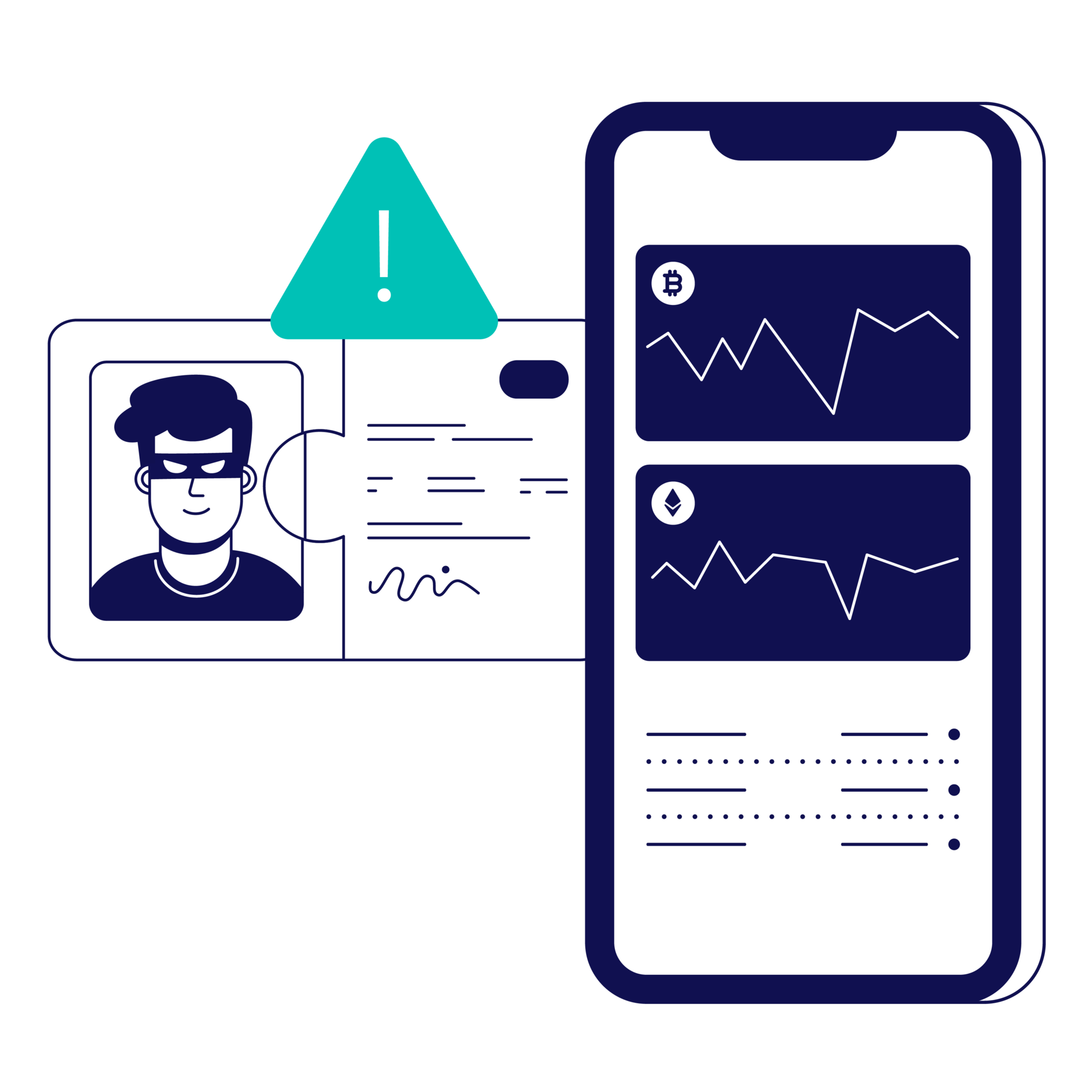

In the rapidly evolving landscape of cryptocurrency, the intersection of crypto security and identity theft has emerged as a pressing concern for users and regulators alike. The rise in cryptocurrency threats, particularly from insiders with access to sensitive databases, has made crypto safety measures more crucial than ever. As incidents of identity coercion and insider threats increase, the need to protect personal data from exploitation becomes paramount. With illicit access to for-profit identity information, attackers can leverage detailed knowledge about their victims, turning the allure of self-custody into a nightmare of coercion. Therefore, understanding the complexities of identity security within the realm of cryptocurrencies has never been more critical to ensuring the safety of digital assets and personal privacy.

As the digital currency sector flourishes, safeguarding personal identity within this space has become increasingly vital. The phenomenon of securing virtual assets faces daunting challenges due to a surge in unauthorized access and exploitation of personal information. With malefactors exploiting state databases to orchestrate targeted attacks, individuals involved in the cryptocurrency market find themselves in precarious positions, where their anonymity becomes a double-edged sword. Addressing vulnerabilities associated with identity theft in the crypto domain requires robust countermeasures that encompass not only technical defenses but also a profound understanding of the underlying economic incentives fostering such dangers. Ultimately, ensuring the integrity of crypto transactions hinges on mitigating risks linked to identity security and developing comprehensive preventative strategies.
Understanding the New Threat Landscape: Insiders and Coercion in Crypto Security
The recent case in Bobigny highlights a troubling trend where insiders exploit their access to government databases, selling crucial personal data to criminals. This alarming development has transformed theft and coercion into a pressing concern for cryptocurrency holders. Unlike traditional cyber threats, which often rely on hacking or phishing, these attacks stem from the illicit activities of those who are supposed to protect the data. With insiders being able to access sensitive information such as addresses, phone numbers, and family connections, the crypto community is facing a unique form of identity theft that poses serious physical risks.
This shift from technical security threats to identity security issues is pivotal. With the advent of ‘self-custody’ in cryptocurrency, holders assume a degree of privacy and safety from intermediary coercion. However, the Bobigny case illustrates how quickly this security can be compromised through insider actions. The ability for criminals to easily obtain and exploit personal information raises questions about current safety measures in place within governmental systems. This also indicates the necessity for enhanced regulatory measures to protect against the potential misuse of sensitive data.
The Role of Insider Threats in Cryptocurrency and Identity Theft
Insider threats have emerged as a significant vulnerability in cryptocurrency security. In the case of the rogue tax employee who sold access to sensitive databases, we see a clear illustration of how these trusted individuals can facilitate identity theft. This type of breach not only puts individuals at risk but also undermines the integrity of the systems designed to protect their identities. Cryptocurrency stakeholders must consider how such insider activities can lead to devastating consequences that extend far beyond traditional cybercrime.
Moreover, the potential for abuses of power among insiders underscores the need for stricter security measures within government databases. Addressing insider threats involves implementing robust access controls and monitoring systems that can detect unusual activities. As cryptocurrency continues to gain popularity, it is vital for both individuals and regulatory bodies to recognize the unique vulnerabilities presented by insider access to sensitive information and develop safeguards to maintain the integrity of personal data against identity coercion.
Crypto Safety Measures Against Identity Coercion
As cryptocurrency continues to grow, establishing effective safety measures is crucial for protecting users from identity theft and coercion. One of the primary challenges arises from the transparent nature of blockchain technology, combined with the existing vulnerabilities within government databases. Preventative measures should focus on enhancing transparency while simultaneously ensuring confidentiality. Regulatory frameworks will need to adapt to prevent individuals with legitimate access from exploiting the very systems meant to protect the community.
In addition, fostering a culture of vigilance and awareness among cryptocurrency holders can mitigate risks. Users should be educated on potential threats, emphasizing the importance of keeping personal information secure and recognizing suspicious behaviors or transactions. Utilizing best practices in crypto security, such as two-factor authentication and the use of hardware wallets, can offer additional layers of protection against identity theft. Ultimately, maintaining the safety of cryptocurrency investments relies on both community participation and proactive legislative measures.
The Impact of Criminal Exploitation on Crypto Investors
The case of insider threats converting government-led transparency initiatives into tools for criminal exploitation has significant implications for the cryptocurrency market. As physical attacks against crypto investors increase, the perception of safety begins to erode, leading to hesitance among potential investors. The perception of risk could cause a decline in the adoption of cryptocurrency and stifle innovation in an otherwise expanding market. Investors need assurance that their identities will be secure from malicious insiders.
Furthermore, the increase in coercive tactics not only threatens individuals but also has broader implications for the legitimacy of the cryptocurrency ecosystem. If the public loses confidence in the capacity of governing bodies to protect their data, this could result in decreased participation or a push for stricter regulations that stifle growth. This balance between safety measures and promoting a thriving environment for crypto innovation must be navigated carefully to prevent long-term harm to the industry.
Preventing Database Diversion in Government Systems
The alarming trend of database diversion poses a unique challenge to the safety of cryptocurrency holders. As highlighted in the Bobigny incident, insiders with access to government databases are turning their positions into opportunities for profit through the illicit sale of personal information. This raises concerns about the robustness of the systems in place to protect sensitive data and the potential for similar incidents in the future. Preventative mechanisms are essential to ensure that database management adheres to best practices for security and confidentiality.
Enhanced oversight, including regular audits and stringent access controls, will be necessary to mitigate the risks associated with insider threats. Additionally, increasing awareness of the legal consequences of database diversion may deter potential offenders. Investing in technology that prevents unauthorized access to sensitive information will fortify the integrity of these systems. Organizations must understand and respond to these vulnerabilities in a proactive manner to maintain the trust of cryptocurrency holders.
Regulatory Responses to Insider Threats in Cryptocurrency
In response to rising incidents of insider threats within cryptocurrency contexts, regulatory bodies must develop responsive policies that address these unique challenges. One of the key steps involves reevaluating access protocols and enhancing vetting processes for individuals with sensitive data. It is crucial for governments to acknowledge the implications of their transparency laws, which, when mismanaged, can create more vulnerabilities than safeguards. The focus must shift to identifying sensitive data and determining who has access to it.
Moreover, creating a framework that allows for information sharing between cryptocurrency operators and regulatory authorities can enhance the overall fight against insider threats. Such collaboration could facilitate a better understanding of potential vulnerabilities and provide best practices that can be employed across various sectors. This proactive approach can work to thwart identity theft and coercion while reinforcing the security of cryptocurrency and its managing entities.
Enhancing Transparency While Protecting Identity: A Paradox
The drive for transparency in the cryptocurrency arena can lead to unintended consequences, as seen in the Bobigny case. While transparency is crucial for combatting money laundering and tax evasion, it can inadvertently expose individuals to identity coercion and violence. Finding a balance between maintaining public accountability and securing private identities is essential to sustain public trust in both cryptocurrency and government systems. The paradox lies in how increased data visibility can be both a tool for accountability and a weapon in the hands of criminals.
To navigate this complex reality, robust safeguards must be implemented alongside transparent practices. For example, enhancing encryption methods or anonymizing sensitive data could help protect user identities while still allowing for necessary oversight. By addressing the need for confidentiality in tandem with transparency, regulatory bodies can formulate policies that minimize risks while encouraging innovation in cryptocurrency markets.
The Importance of Continuous Monitoring in Crypto Security
Continuous monitoring of government and private databases is essential to counteract insider threats and protect against privacy violations in cryptocurrency. With the rise of targeted attacks, the need to identify symptoms of database misuse and the early detection of security breaches becomes paramount. By employing advanced analytics and machine learning techniques, authorities can better track access patterns and detect anomalies that could indicate an impending attack.
In addition, building frameworks for timely reporting and quick response to breaches can help mitigate the damage done by insider threats. Engaging with technology companies to harness real-time monitoring systems can create a safety net for vulnerable databases, thus protecting the identities of those who participate in the cryptocurrency market. Continuous vigilance and active engagement will bolster not only user confidence but also the overall resilience of cryptocurrency systems against identity theft.
Future-Proofing Crypto Through Legislative Action
To effectively combat the rise of insider threats, future legislative initiatives must account for the unique vulnerabilities inherent in the cryptocurrency landscape. This involves rethinking existing laws and proposing new regulations that specifically target the risks associated with insider access to sensitive data. Lawmakers must engage with industry stakeholders to understand how current practices can be leveraged to enhance security while fostering growth in the crypto sector.
Legislative measures can lay the groundwork for improved cybersecurity frameworks, ensuring that protections against identity theft and coercion are built into the fabric of the cryptocurrency ecosystem. By proactively addressing these issues, we can create an environment that not only protects users but also cultivates trust in the technology. Continuous dialogue between regulatory bodies, technology experts, and users will be crucial in developing robust security protocols going forward.
Frequently Asked Questions
What are the main cryptocurrency threats related to identity theft?
Cryptocurrency threats related to identity theft include insider threats, where individuals with privileged access to sensitive databases exploit that access to compromise identities. This can lead to coercion and targeted attacks on individuals, utilizing data like addresses and family details acquired from government or organizational databases.
How can individuals improve crypto safety measures against identity theft?
To enhance crypto safety measures against identity theft, individuals can utilize strong security practices such as two-factor authentication, keeping software updated, using hardware wallets for storage, and being cautious with sharing personal information that could lead to coercion or targeted attacks.
What role do databases and security play in preventing crypto-related identity theft?
Databases and security play a crucial role in preventing crypto-related identity theft by restricting access to sensitive personal information. Enhanced security measures within databases, such as encryption and limited access rights, can help deter insider threats and protect against unauthorized lookups that lead to coercion.
What are insider threats in the context of crypto security and identity theft?
Insider threats refer to risks posed by individuals within an organization who have access to confidential information, such as government employees with database access. These threats can lead to identity coercion when insiders misuse that access to sell information to criminals, facilitating targeted attacks on victims.
How does identity coercion relate to cryptocurrency and physical attacks?
Identity coercion in cryptocurrency contexts occurs when attackers leverage personal information, like addresses and family details, to threaten individuals into transferring their crypto assets. This represents a significant shift from purely digital threats to physical threats based on real-world identity data.
| Key Points |
|---|
| Insider Threat: A government employee sold sensitive identity information to criminals, highlighting the issue of insider threats. |
| Fees for Services: Criminals are now able to purchase sensitive data, such as vehicle registrations and wanted persons checks for relatively low prices, indicating a commodification of personal data. |
| Physical Coercion: The risk associated with crypto assets has shifted from purely digital theft to physical coercion, where attackers can take advantage of identifiable victims. |
| Regulatory Response: France has attempted to reduce risks through legislation that suppresses public access to certain identity information. |
| Increased Incidents: Data from 2024 shows a rise in incidents relating to insider threats and database diversions, indicating escalating risks in crypto security. |
| Identity Data Exploitation: The accessibility of detailed identity information allows attackers to target individuals with significant crypto assets directly. |
Summary
Crypto security and identity theft have become pressing concerns in the digital age, especially as incidents of insider threats rise. The commodification of personal data through insider sales highlights a severe vulnerability in the system, where attackers can utilize detailed identity information for physical coercion. Recent regulatory measures in France illustrate an awareness of these risks, but they do not fully mitigate the dangers posed by the structure of government databases. As crypto assets continue to grow in popularity and value, ensuring the protection of identity data becomes critical to safeguarding individuals from both digital and physical threats.
Related: More from Regulation & Policy | EU Crypto Taxes: Practical Implications Explained | UK FCA to Consider Cryptos for Gambling Payments