
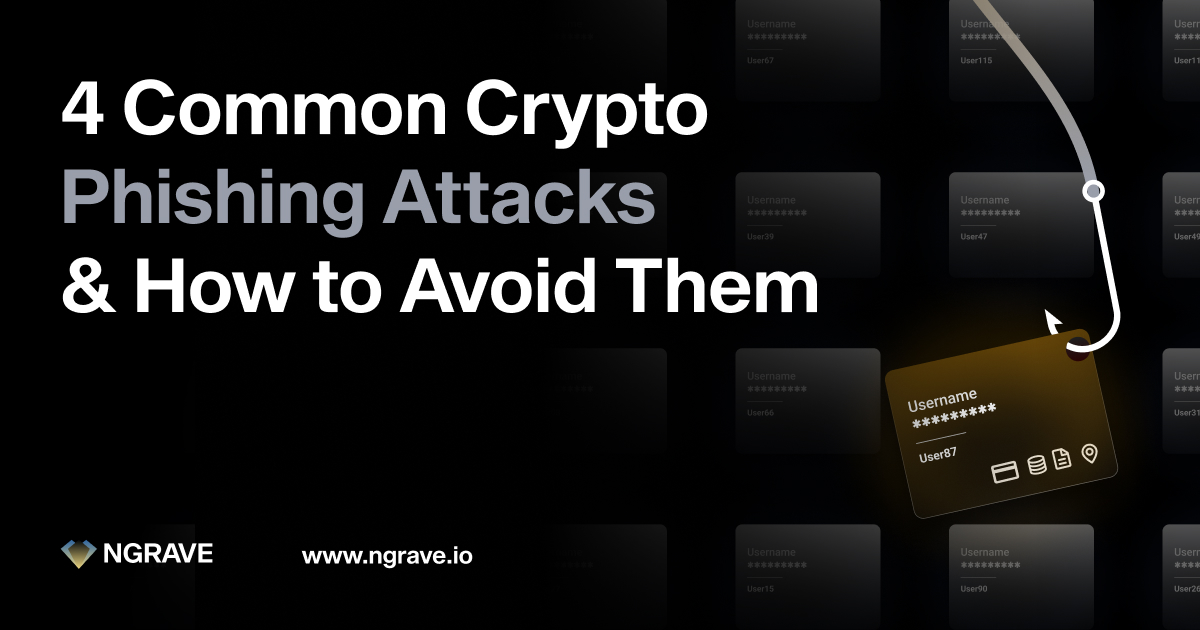

Crypto phishing attacks have become an alarming threat in the digital finance landscape, particularly targeting unsuspecting users through sophisticated wallet drainers. In 2025, these scams contributed to significant phishing losses in the cryptocurrency sector, as evidenced by a decline in overall victimization yet a spike in losses during peak market activity. Notably, Ethereum phishing incidents remain prevalent, with attackers adapting quickly to new vulnerabilities such as EIP-7702 attacks to ensure their schemes remain effective. Cybersecurity in crypto is becoming increasingly crucial for users to protect their digital assets from falling prey to these malicious strategies. It is critical for individuals engaging with cryptocurrencies to remain vigilant and educate themselves on the tactics employed by cybercriminals to mitigate potential threats.

Digital asset fraud, often termed as crypto scams, has emerged as a prominent hazard within the realm of blockchain transactions, specifically through mechanisms aimed at draining user wallets. While incidences of victim scams have decreased, many still experience financial setbacks, reflecting a trend of fluctuating phishing losses that correlate with market dynamics. Attackers are continuously honing their strategies, particularly focusing on Ethereum-related exploits, as evidenced by the utilization of advanced coding techniques in recent fraud schemes. The need for robust cybersecurity measures in the cryptocurrency world cannot be overstated, as even minor lapses in user awareness can lead to devastating losses. Understanding the evolving landscape of these attacks—encompassing both high-profile incidents and low-volume, high-frequency targeting strategies—is essential for all investors.
Understanding Crypto Phishing Attacks in 2025
Crypto phishing attacks have continued to evolve in 2025, demonstrating both resilience and adaptability in the face of tightening regulations and heightened cybersecurity awareness among users. Despite a significant decline in financial losses due to these attacks—down to $83.85 million from nearly $494 million in 2024—the prevalence of phishing techniques is still a pressing concern for the crypto community. As attackers leverage sophisticated methods, they remain a major threat. Current trends indicate that phishing losses are closely tied to the ebbs and flows of market dynamics, with spikes occurring during bullish phases.
The analysis by Scam Sniffer highlights the importance of ongoing vigilance and education within the crypto sphere. As users engage more actively during market surges, they inadvertently increase their likelihood of falling prey to phishing schemes. The data shows that the third quarter of 2025, coinciding with Ethereum’s rally, marked the highest losses at $31 million, underscoring the critical need for robust security measures and awareness campaigns aimed at minimizing user exposure during peak activity periods.
The Impact of Wallet Drainers on Crypto Security
Wallet drainers—the type of phishing attack that results in significant losses by tricking users into providing access to their wallets—remain a crucial focus for both users and cybersecurity experts in crypto. In 2025, while the overall crime volume related to phishing attacks decreased, the nature of the threat has evolved. Attackers, having adopted new techniques such as the malicious Permit signatures noted in extensive theft cases, continue to threaten the integrity of users’ assets. This shifting landscape underscores the need for effective user education to recognize and respond to these fraudulent efforts.
It is evident from Scam Sniffer’s report that even without large-scale attacks, the risk from wallet drainers persists in a variety of forms. The narrative has shifted to high-volume, lower-value phishing campaigns, with the average loss per victim decreasing significantly. This adaptation by attackers highlights the importance of continuous improvement in cybersecurity measures within the crypto realm. Users must be educated not only about potential losses but also about proactive measures they can take to avoid becoming another victim of wallet draining scams.
Cybersecurity in the Crypto Landscape
As the landscape of cryptocurrency evolves, so do the challenges associated with cybersecurity. The declining losses in 2025, as noted in multiple reports, suggest that overall improvements in security measures are beginning to take effect. However, there is a dual reality: while large-scale phishing attacks have decreased, the number of smaller, more frequent attacks appears to be on the rise. Cybersecurity in this domain requires stakeholders—developers, users, and exchanges—to collaborate and fortify defenses against all forms of digital assault, particularly phishing attacks.
Amid these developments, educational initiatives must underpin broader cybersecurity efforts. Users should familiarize themselves with the common tactics of cybercriminals, including the mechanics of EIP-7702 attacks that exploit newly introduced vulnerabilities in smart contracts. As the crypto market matures, a cultural shift towards proactive cybersecurity practices will be essential to maintaining the integrity and trustworthiness of digital currencies.
EIP-7702 Attacks: A New Frontier in Crypto Phishing
The emergence of EIP-7702 attacks is a significant development in the ongoing battle against phishing in the cryptocurrency arena. Following Ethereum’s Pectra upgrade, attackers have adapted quickly, exploiting this new standard to execute sophisticated phishing schemes. Users must be aware of how these attacks can bundle multiple malicious actions into a single signature, creating challenges for conventional security measures. Reports indicate that two significant EIP-7702 cases resulted in losses of $2.54 million, highlighting the urgent need for enhanced security protocols to counteract these emerging threats.
Understanding the mechanics behind EIP-7702 attacks can empower crypto users to better protect their assets. This involves recognizing the potential for approved transactions to be exploited and advocating for changes in approval processes that minimize risk. The crypto community must prioritize innovation in security measures and user education to mitigate the threat posed by evolving phishing tactics, particularly in the wake of technology advancements that can create new vulnerabilities.
Phishing Losses and Market Activity Correlation
The correlation between phishing losses and market activity is a disturbing trend that demands attention. Data from 2025 illustrates that as Ethereum and the broader crypto market experienced a surge, so too did the losses from phishing attacks, with nearly 29% of annual losses occurring during peak trading times. This cyclical nature suggests that as excitement around digital asset investment mounts, so does user activity—ultimately leading to increased opportunities for attackers.
Throughout 2025, the fluctuation of monthly losses, such as the peak of $12.17 million in August, indicates that periods of intense market activity are precisely when phishing attacks thrive. This highlights the importance of developing a more robust understanding of user behavior in crypto trading, coupled with proactive defenses against phishing strategies. Staying informed about when phishing typically peaks can help users be more cautious during those periods, reinforcing the need for vigilance in digital asset management.
The Decline of High-Value Phishing Incidents
The downturn in high-value phishing incidents, with only 11 cases exceeding $1 million in 2025 compared to 30 in the previous year, marks a significant shift in attack strategies. This change suggests that cybercriminals are increasingly favoring low-value but high-volume attacks, leading to a more persistent but less immediately impactful threat landscape. The average loss per victim decreased to $790, indicating a shift in focus towards broader exploitation of unsuspecting users rather than targeting high-profile individuals.
This trend raises important questions for the future of cybersecurity within the crypto space. As the dynamics of phishing attacks evolve, there is a pressing need for continuous adaptation in security measures and user education. The community must remain alert to changes in attack patterns and adaptive strategies that exploit lower-value assets but can collectively lead to substantial losses across the market.
Wallet Address Spoofing and Its Impacts
Wallet address spoofing remains a prevalent form of phishing attack that exploits user trust in digital transactions. By creating similar-looking wallet addresses, attackers can mislead users into sending their assets to fraudulent locations. In December 2025, a significant case involved a $50 million address poisoning scam, illustrating just how damaging these tactics can be when attention to detail falters. Users must remain vigilant and employ additional verification methods before executing any transactions.
The increasing sophistication of wallet address spoofing attacks indicates a need for enhanced user protocols that include recognizing legitimate transactions and implementing additional layers of security when engaging in digital asset exchanges. By incorporating practices like double-checking addresses and using readiness tools, crypto users can significantly reduce their risk of falling victim to such scams.
Emerging Attack Vectors in Crypto Scams
As the cryptocurrency market matures, new attack vectors continue to emerge, further complicating the landscape of digital finance. The introduction of EIP-7702 and its implications for malicious signatures represent a concerning frontier that crypto users must navigate. Attackers are quick to adapt to changes in the protocol, introducing multi-faceted attacks that can lead to substantial financial losses. Users need to remain aware of these evolving threats and keep abreast of updates in security measures associated with new Ethereum enhancements.
Developing a keen understanding of these emerging vector threats can empower crypto users to resist and evade prospective attacks more effectively. Collaboration between developers and the crypto community at large is essential to create secure environments that can preemptively counteract new forms of exploitation, enabling users to safeguard their investments and maintain trust in the integrity of the blockchain.
User Education: The Key to Combatting Phishing
User education plays an indispensable role in combatting phishing attacks in the cryptocurrency realm. With the constant evolution of techniques used by cybercriminals, individuals need to be equipped with knowledge and tools that foster secure behaviors. The implementation of training sessions, resources, and real-time alerts regarding phishing threats can help users become first-line defenders against attacks. Engaging with educational content can reduce susceptibility to scams and empower users to recognize red flags.
Additionally, communities should emphasize sharing experiences and knowledge to create a robust network of informed individuals. Through forums and social media, users can relay anecdotes about phishing attempts and operational protocols that have proved effective. Building a communal approach to cybersecurity, reinforced by continuous education, will ultimately decrease the impacts of phishing threats and foster a safer experience for everyone engaging in the crypto ecosystem.
Frequently Asked Questions
What are the current trends in crypto phishing attacks and wallet drainers?
In 2025, crypto phishing attacks related to wallet drainers saw a significant decline, with losses dropping to $83.85 million, down 83% from nearly $494 million in 2024. This reduction in phishing losses reflects a decrease in victims, which fell to 106, a 68% reduction. However, activities still correlate with market cycles, rising during periods of high on-chain activity.
How do phishing losses relate to Ethereum phishing attacks?
Ethereum phishing attacks have been notably affected by market activity, with losses peaking at $31 million during Ethereum’s strongest rally in 2025. These Ethereum-specific phishing events highlight how user engagement can increase vulnerability to fraud, reinforcing the need for cybersecurity measures in crypto.
What is the significance of EIP-7702 attacks in the context of crypto phishing?
EIP-7702 attacks emerged as a new vector for cybercriminals in 2025, leveraging malicious signatures post-Ethereum’s Pectra upgrade. These attacks allowed perpetrators to exploit account abstraction, combining various harmful actions into a single user signature, showcasing how quickly phishing tactics evolve alongside protocol changes.
How can individuals protect themselves from cybersecurity threats in crypto?
To protect against cybersecurity threats such as crypto phishing attacks, individuals should implement strong security practices, like using hardware wallets, enabling two-factor authentication, and being cautious with Permit and Permit2 approvals. Staying informed about trends in phishing can provide additional layers of security.
What was the impact of phishing activities on crypto markets in 2025?
In 2025, phishing activities demonstrated a clear correlation with crypto market behavior. Total phishing losses mirrored market cycles, rising with increased user activity and dropping during downturns. This trend emphasizes the importance of cybersecurity awareness during volatile market conditions.
What methods are attackers using in crypto phishing scams?
Attackers in the crypto space are utilizing methods such as malicious Permit signatures and account abstraction through EIP-7702-based signatures. These techniques have proven effective, with Permit-based attacks accounting for 38% of significant losses in 2025. Users must be vigilant against these evolving strategies.
What does the decrease in high-profile phishing incidents mean for the crypto industry?
The decline in high-profile phishing incidents, down to only 11 cases exceeding $1 million in 2025, indicates a shift in attackers’ strategies towards lower-value but higher-volume scams. This suggests that while large-scale attacks may be less common, the crypto ecosystem remains vulnerable to widespread phishing attempts affecting smaller accounts.
Are phishing attacks truly declining, or are they just changing in nature?
While phishing losses have declined significantly in 2025, this does not signify an end to such attacks. Instead, they have adapted to focus on lower-value schemes that target a larger number of victims. The continuous emergence of new phishing techniques indicates that vigilance is still crucial in the crypto space.
| Key Point | Details |
|---|---|
| Total Losses in 2025 | $83.85 million; a significant reduction of 83% from 2024’s nearly $494 million. |
| Number of Victims | 106 victims; a 68% decrease from the previous year. |
| Phishing Activity and Market Cycles | Phishing activities increase with market activity and decrease when markets cool down. |
| Peak Phishing Losses | Third quarter of 2025 saw losses of $31 million during the ETH rally. |
| Biggest Single Theft | $6.5 million theft in September; Permit approvals are most exploited. |
| Emergence of New Attack Vectors | EIP-7702 malicious signatures exploited after Ethereum’s Pectra upgrade. |
| Overall Trends | 11 incidents over $1 million in 2025 vs. 30 in 2024; shift to lower-value, higher-volume schemes. |
Summary
Crypto phishing attacks have experienced a notable decline in 2025, with total losses dropping significantly to $83.85 million. While this reduction is promising, it highlights the ongoing risk posed by these attacks, particularly during periods of increased market activity. Attackers continue to adapt their strategies, utilizing new exploit vectors and high-volume schemes targeting unsuspecting retail investors. To protect against these evolving threats, users must remain vigilant and employ strong security practices.