


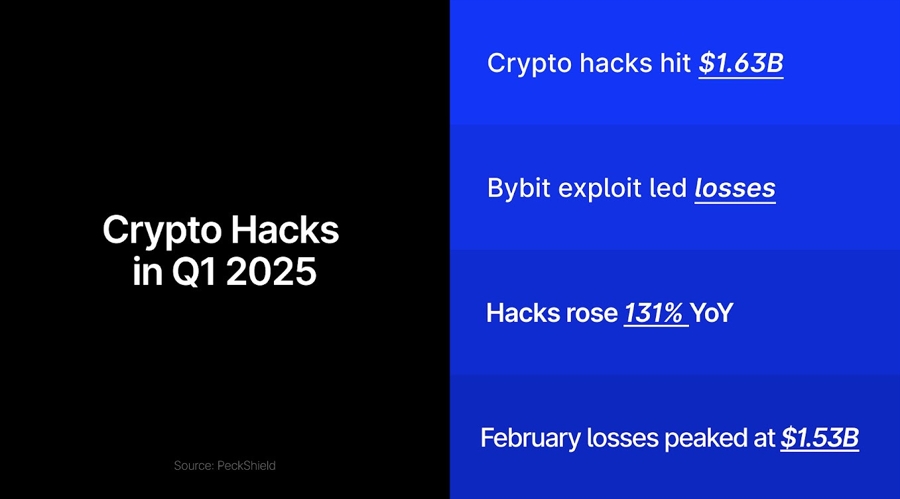

Crypto hacks 2025 have emerged as a major focal point for the cryptocurrency community, reflecting a significant shift in the tactics used by malicious actors targeting digital assets. Despite a reported drop in incidents, the financial damage incurred has escalated alarmingly, as seen in the infamous Bybit hack, which alone accounted for a staggering $1.46 billion loss. This particular event underscores the evolving landscape of crypto security, where organized crime and state-sponsored threats replace the solitary hacker. The data reveals a concerning trend of increasing cryptocurrency fraud and blockchain theft, underscoring a dire need for enhanced protective measures in the industry. With DeFi attacks 2025 on the rise alongside sophisticated phishing tactics, stakeholders must remain vigilant and proactive in safeguarding their investments amidst this turbulent environment.

The landscape of digital asset breaches, particularly in 2025, has illuminated how vulnerabilities within crypto infrastructure can lead to catastrophic financial losses. As decentralized finance (DeFi) platforms wrestle with security challenges, the overall narrative is shaped by high-profile incidents like the Bybit compromise, which highlights the severity of cryptocurrency heists. This year has seen a paradigm shift, with attacks being orchestrated not just by individual hackers but by coordinated groups leveraging advanced technology. In this rapidly evolving environment, the terms “blockchain breaches” and “virtual currency theft” have become more pertinent, emphasizing the intertwining of digital innovation and security risks that investors must navigate. With an increase in systematic threats, understanding the multifaceted nature of these attacks is crucial for anyone involved in cryptocurrencies.
Crypto Hacks 2025: A Shift to High-Stakes Cyber Crime
As we examine the landscape of crypto hacks in 2025, it is evident that while the frequency of incidents has decreased, the stakes have dramatically increased. The infamous Bybit hack, resulting in a staggering $1.46 billion theft, marks a pivotal moment in the evolution of cyber crime. This event underscored a shift from random, opportunistic thefts to highly orchestrated attacks executed by state-sponsored actors and organized crime syndicates. Security experts highlight a stark trend: the average loss per incident has surged to nearly $15 million, showcasing the dangerous potential of increasingly sophisticated cyber criminals.
In previous years, less malicious actors often engaged in single-point breaches, leading only to minor losses. However, the transition to larger, centralized exchanges as primary targets reveals a profound threat not only to financial assets but to the very stability of the crypto ecosystem. With over 200 incidents recorded in 2025, it’s clear that attackers are adapting their strategies, utilizing intricate multi-stage operations to exploit vulnerabilities in centralized services. This strategic evolution exemplifies a pressing need for advanced security measures and proactive risk management within the crypto community.
Another significant takeaway from the crypto hacks of 2025 is the redefining of the attacker’s profile. Once dominated by ‘lone wolf’ individuals acting independently, the landscape now features coordinated operations from criminal syndicates, particularly those linked to nation-states like the DPRK. This evolution not only increases the complexity of attacks but also necessitates a more robust response from regulators and blockchain security firms alike. The Bybit incident is now a case study for professionals, emphasizing that a proactive and anticipatory stance is vital in safeguarding financial assets against these highly organized threats.
Moreover, as these sophisticated crime networks evolve, so too must the strategies employed to combat them. Regulatory authorities are no longer just observers but have stepped into the ring with real enforcement actions, targeting the financial infrastructures that facilitate crime. This shift highlights an industry-wide recognition that combating cyber threats requires more than merely enhancing security protocols; it calls for a comprehensive approach that includes effective legislate and cooperation with law enforcement agencies globally.
The Rise of AI in Crypto Attacks
In 2025, the intersection of artificial intelligence and crypto hacking has become strikingly apparent. Cyber criminals are increasingly leveraging AI to conduct social engineering attacks with alarming efficiency. By creating synthetic text, images, and even voice simulations, these bad actors can convincingly impersonate trusted figures within the crypto community. This evolution has made traditional security measures insufficient; phishing campaigns have transformed into multi-faceted operations that can deceive even the most vigilant users.
As the landscape of crypto criminality continues to adapt, the integration of advanced technology into hacking tactics serves as a clarion call for both users and organizations to bolster their defenses. Security awareness training, heightened vigilance towards communications, and a clear understanding of potential attack vectors are now critical components of personal and organizational safety. The incidents from 2025 illustrate that, as cyber threats grow in sophistication, our responses must evolve in tandem.
Additionally, the integration of AI into the hackers’ toolkit has led to the creation of more sophisticated malware and ransomware services available on underground markets. These tools have made it easier for less skilled individuals to engage in cyber crime, leading to a measurable spike in threats across the entire cryptocurrency ecosystem. As a result, organizations must invest not only in advanced technology to counteract these tools but also embrace a culture of ongoing security education.
To counteract the potential devastation of AI-driven attacks, the crypto industry must move towards more adaptive security measures. This involves employing AI-powered monitoring systems that can detect anomalies in user behavior and respond to threats in real-time. Adoption of robust Anti-Money Laundering (AML) and Know Your Customer (KYC) policies is also essential in identifying and mitigating risks associated with these AI-enhanced threats.
The Role of Regulatory Change in Crypto Security
The events of 2025 have prompted a significant shift in the regulatory landscape surrounding cryptocurrency. With billions lost in high-profile hacks, regulators are now prioritizing the tracking and accountability of funds flowing through platforms known for facilitating illicit activities. Noteworthy actions target various entities, including the Huione Group and Garantex, illustrating an intention to dismantle the infrastructure supporting cyber crime. These regulations not only aim to secure the market but also ensure that victims have a better chance at recovering lost funds.
Regulatory changes have introduced stringent frameworks that demand continuous compliance from cryptocurrency exchanges and platforms. Key components, such as comprehensive AML and KYC measures, are now considered essential rather than optional. As regulatory expectations solidify, businesses within the crypto space face a critical challenge: adapting to these evolving requirements while maintaining user trust and satisfaction.
Furthermore, the swift enforcement actions taken against entities suspected of facilitating money laundering indicate a shift toward proactive governance. This shift underscores the importance of having robust compliance departments in the cryptocurrency sector, capable of monitoring transaction flows effectively to mitigate risks associated with fraud and theft. As regulators expand their focus beyond simple entity oversight to encompass the entire financial infrastructure, the crypto industry must strive to meet these new demands.
In conclusion, the relationship between regulation and security is becoming increasingly intertwined. As regulatory bodies tighten their grasp on the crypto landscape, platforms that prioritize compliance and transparency are likely to thrive. The ongoing evolution must be met with an equal commitment to enhancing security protocols, ensuring that the harsh lessons learned from 2025 lead to a safer future for the entire cryptocurrency ecosystem.
Human Factor Vulnerabilities in Cryptocurrency Security
One of the most pressing issues revealed during the crypto hacks of 2025 is the vulnerability of human factors in security protocols. While significant efforts have been made to bolster technical defenses, attackers have shifted their focus to exploiting the human element. Whether through social engineering tactics or fishing for private keys, hackers are continuously finding ways to manipulate individuals into compromising their own security. The clear message from recent losses is that sophisticated technology alone is not enough to secure cryptocurrency investments.
As evidenced by the increasing complexity of phishing campaigns, businesses must place a stronger emphasis on employee training and user education regarding security practices. By promoting a culture of cyber awareness within their organizations, stakeholders can empower users to recognize suspicious activities and respond appropriately. A well-informed user base serves as an invaluable line of defense against the sophisticated tactics employed by cyber criminals.
Additionally, as the wallet systems and software utilized in cryptocurrency transactions become more advanced, the risk associated with human behavior increases. Cases of intercepted signatures or software loopholes serve as reminders that even the most secure protocols can be compromised if the individuals using them lack adequate awareness. Thus, organizations must prioritize combining effective technology with education about the latest threats and best practices for security.
In the evolving landscape of crypto security, the importance of addressing human vulnerabilities cannot be overstated. Implementing comprehensive training programs on identifying social engineering attempts and encouraging behavioral best practices will dramatically enhance security posture. As attackers continue refining their schemes, a human-focused approach will be essential for safeguarding cryptocurrency assets against future threats.
The Future of Blockchain Security: Evolving Solutions for New Challenges
Looking ahead, the future of blockchain security appears set to embrace a myriad of advanced solutions addressing the new challenges identified in 2025. As the paradigm of attackers shifts to organized, multifaceted operations, the technologies and strategies employed to combat them must evolve accordingly. Innovative solutions, such as AI and machine learning, offer promising avenues for predictive analytics that can curb potential cyber threats before they escalate.
Blockchain technology itself is being fortified as developers innovate beyond conventional consensus mechanisms to introduce layered security solutions. Multi-signature wallets and decentralized ledgers are just a few examples of increasingly sophisticated tools striving to mitigate risks posed by centralized vulnerabilities. The progression toward a more decentralized, resilient infrastructure holds promise for the future of cryptocurrency security.
In addition, collaborative efforts between regulators, blockchain analysts, and cybersecurity experts can pave the way for a stronger defense against evolving threats. Improved sharing of threat intelligence among stakeholders can foster a communal approach toward better security practices, reducing the potential impact of future attacks. These growing networks of collaboration may well dictate the success of the crypto ecosystem moving forward.
Ultimately, as the crypto industry learns from the lessons of 2025, a proactive stance must be prioritized. By anticipating emerging threats and implementing innovative security practices, the industry can strengthen its defenses and ensure stability. The focus must remain on resilience, adaptability, and community cooperation in combating the relentless tide of cybersecurity risks within the cryptocurrency sphere.
Protecting Yourself: Practical Tips for Cryptocurrency Investors
As the threats to cryptocurrency security continue to evolve dramatically, individuals must take proactive steps to safeguard their investments. One of the most effective strategies is to enhance awareness of potential vulnerabilities, including prevalent scams such as phishing attempts and social engineering strategies. Regularly educating oneself about the latest tactics used by cybercriminals can greatly reduce the likelihood of falling victim to these sophisticated schemes.
In addition to staying informed, employing strong security practices is essential. Investors should prioritize the use of hardware wallets for long-term storage, which provide an extra layer of protection against unauthorized access. Maintaining unique, complex passwords and enabling two-factor authentication on all accounts can further secure personal information and funds against potential hacks. Adopting a cautious approach to unsolicited communications also goes a long way in preventing malicious breaches.
Moreover, establishing a recovery plan that includes potential backup options for private keys and seed phrases is crucial for every investor. Being prepared for situations like lost access or account compromises can empower individuals to act quickly and minimize potential losses. In today’s climate, taking an active role in safeguarding one’s crypto assets is no longer just wise; it’s an absolute necessity.
Finally, participation in established community practices and groups can serve as an extra layer of security. Engaging with peer networks can foster open discussions about new threats and innovative security insights, leading to a more enlightened investor community. By taking these practical precautions, cryptocurrency investors can better prepare themselves against the growing tide of cyber risks observed in 2025.
Lessons Learned from Major Crypto Incidents
The cryptocurrency events of 2025 have delivered important lessons for investors, regulators, and industry players alike. The staggering losses from incidents like the Bybit hack serve as a cautionary tale about the need for comprehensive security strategies that consider emerging threats. Analyzing these major incidents uncovers patterns in vulnerability, allowing stakeholders to develop more resilient defenses tailored to their unique circumstances.
Equally crucial is understanding the importance of transparency within the crypto space. The collapse of confidence following significant thefts can have a far-reaching impact not only on individual platforms but on the broader market as well. Maintaining open communication regarding security measures, potential risks, and incident responses can enhance trust among users and create a culture of accountability that ultimately benefits the entire ecosystem.
In learning from these high-profile breaches, it is imperative that the crypto community unites to addresss deficiencies. A collective commitment to improving security protocols across the board can help to restore confidence in cryptocurrency as a viable investment avenue. Emphasizing collaborative approaches, information sharing, and community support will be essential in fostering a secure environment where innovation can thrive.
As we reflect on the significant events of 2025, we recognize the potential for a transformed landscape in which informed participants, robust regulations, and cutting-edge security practices coexist harmoniously. The insights from year’s major incidents are not mere reflections on failures but stepping stones toward building a safer future for all stakeholders in the cryptocurrency ecosystem.
Frequently Asked Questions
What were the main causes of crypto hacks in 2025?
In 2025, crypto hacks were primarily driven by organized criminal syndicates and state-sponsored actors. The most significant incident was the Bybit hack, which involved $1.46 billion stolen from a centralized exchange. These actors shifted tactics, focusing on multi-stage operations targeting centralized services, rather than opportunistic single-point exploits.
How did the Bybit hack impact crypto security in 2025?
The Bybit hack marked a turning point for crypto security in 2025, demonstrating that while the frequency of hacks decreased, their severity escalated dramatically. With substantial losses from centralized exchanges, it highlighted the need for improved security measures and led to a shift in regulatory focus towards infrastructure that facilitates crypto crime.
What trends in cryptocurrency fraud emerged in 2025?
In 2025, cryptocurrency fraud increasingly involved sophisticated social engineering tactics, leveraging artificial intelligence for phishing campaigns. Attackers used AI to create realistic customer interactions, making it challenging for users to identify fraudulent activity. The shift from code-based attacks to human-targeted breaches underscored the evolution of cryptocurrency fraud.
How did DeFi attacks compare to centralized exchange hacks in 2025?
Though DeFi protocols experienced the most significant number of security incidents, centralized exchanges like Bybit suffered the most substantial financial losses. In 2025, DeFi faced 126 incidents with around $649 million lost, while 22 centralized exchange incidents led to approximately $1.809 billion in losses, highlighting a critical shift in targets.
What role did AI play in crypto security breaches in 2025?
AI played a pivotal role in 2025’s crypto security breaches, with attackers using AI-generated content for sophisticated phishing attacks. These developments increased the effectiveness of social engineering, allowing criminals to mimic customer support communications and deceive users into compromising their accounts.
What lessons can investors learn from the crypto hacks of 2025?
Investors should recognize that passive trust in crypto platforms is a liability due to the heightened sophistication of attacks, including AI-driven social engineering and advanced hacking techniques. Continuous vigilance, alongside engagement with platforms having robust security measures, is essential for capital preservation.
How did regulatory actions change in response to crypto hacks in 2025?
In 2025, regulatory actions evolved from theoretical discussions to practical on-chain interventions targeting the infrastructure aiding cryptocurrency fraud. Authorities began applying pressure on entities facilitating laundering flows and emphasized the importance of strict AML and KYC frameworks as a baseline compliance requirement.
What were the total losses from crypto hacks in 2025?
Total losses from crypto hacks in 2025 reached approximately $2.935 billion, reflecting a substantial increase from $2.013 billion in 2024. Although the number of incidents decreased, the average loss per event surged from around $5 million to nearly $15 million, underscoring a significant escalation in damage.
What can be expected for crypto security trends beyond 2025?
As the landscape evolves, we can expect continued advancements in hacking methods, particularly via organized crime and state actors. Increased regulatory scrutiny and the need for enhanced security measures will maintain pressure on the crypto ecosystem, pushing platforms to adopt more proactive security strategies to safeguard users.
| Key Point | Details |
|---|---|
| Decrease in Incidents | Security incidents dropped to approximately 200 in 2025 from 410 in 2024. |
| Increased Severity of Losses | Total losses in crypto hacks reached about $2.935 billion, up from $2.013 billion in 2024. |
| Bybit Hack | The $1.46 billion hack of Bybit redefined the year’s narrative, attributed to organized state-sponsored actors. |
| Shift in Attackers | Lone wolves replaced by organized crime syndicates and state actors, notably from DPRK. |
| Evolving Phishing Tactics | AI has weaponized phishing, with sophisticated social engineering tactics leading to successful exploits. |
| Regulatory Changes | Regulatory authorities are now intervening in on-chain activities to combat crime infrastructure. |
| Recovery Rates | A recovery rate of 13.2% signals improving capabilities to reverse criminal flows. |
Summary
Crypto hacks 2025 saw a significant drop in the number of incidents, but the underlying threats evolved into even more dangerous territory. The year was marked not by a lack of attacks but by a shift in the nature of offenders, primarily driven by organized crime and state-sponsored actors such as those from North Korea. The Bybit hack of $1.46 billion served as a grim reminder that while frequency may decline, the potential for catastrophic losses remains high. Investors and users must now adopt proactive measures to safeguard their assets against increasingly sophisticated threats, making trust in any platform a potential liability. The landscape of crypto security has changed, indicating that vigilance is essential for capital preservation.