


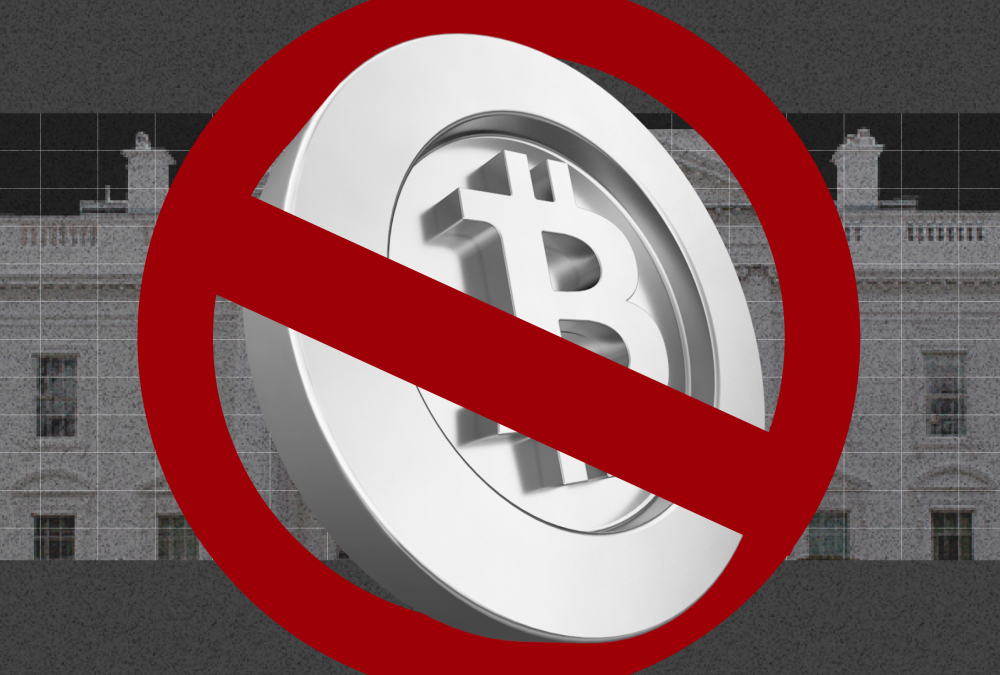

In a significant move for political funding transparency, UK lawmakers are pushing for a crypto donations ban to be included in the forthcoming elections bill. This initiative is primarily driven by members of the Labour Party, who stress the dangers posed by cryptocurrency in facilitating foreign interference in UK politics. Senior figures, including Liam Byrne, have raised concerns about the lack of clear regulations on political donations made with digital currencies, as these assets can obscure the origins of funds. With the impending local elections, there is an urgent need for measures that ensure accountability and traceability in political contributions. This proposed prohibition on crypto donations underscores the growing need to address the intersection of cryptocurrency regulations and ethical political funding.

The topic of restricting contributions made via digital currencies has gained traction among UK legislators who seek to enhance the integrity of political financing. As cryptocurrency becomes more prevalent, the debate surrounding its implications for elections and potential foreign interference intensifies. Key stakeholders, particularly from the Labour Party, are advocating for stricter guidelines to avert risks associated with anonymous donations and ensure a transparent political funding environment. Discussions revolve around regulating the use of cryptocurrencies in political donations, balancing innovation against the necessity for robust checks to protect democratic processes. By addressing these concerns, lawmakers aim to fortify the foundations of political accountability in an increasingly digital landscape.
The Urgent Need for a Crypto Donations Ban in UK Politics
In the wake of increased scrutiny on political funding mechanisms, UK lawmakers are raising alarms over the potential threats posed by cryptocurrency donations. The Labour Party’s leadership is particularly vocal, with prominent figures urging Prime Minister Keir Starmer to implement a ban on crypto donations within an imminent elections bill. Such a ban is deemed essential to mitigate risks associated with foreign interference and to uphold the integrity of political funding transparency. The call for regulation is underscored by reports from the Electoral Commission, which warns that cryptocurrencies complicate the traceability of funds, enabling anonymous contributions that could jeopardize democratic processes.
Liam Byrne, chair of the business and trade committee, reinforces this urgency by highlighting that clarity is needed now more than ever. He emphasizes that while innovation in financial technology is crucial, it should not come at the cost of democracy. Advocates for this ban argue that failing to act could leave UK elections vulnerable to external influences and financial misconduct. Other nations have already established protocols for crypto donations, and Byrne insists that the UK must follow suit, ensuring that political funding remains transparent and accountable.
Labour Party’s Stance on Cryptocurrency and Political Funding
The Labour Party has taken a clear position against the acceptance of cryptocurrency donations, advocating for robust regulations to govern political donations moving forward. This stance reflects broader concerns among legislators regarding the transparency of funding sources and the potential for illicit finance to infiltrate democratic institutions. As the UK prepares for local elections, the party is pushing for regulatory measures that could effectively ban these types of donations, a move seen as a safeguard against foreign interference and a means of protecting the integrity of electoral processes. The call for change is gaining momentum, with Labour MPs emphasizing the need for ethical standards in political fundraising.
Furthermore, discussions around political funding transparency are becoming increasingly relevant as other parties, such as Reform UK, express interest in accepting crypto donations. This juxtaposition raises questions about the potential implications for the political landscape. While Reform UK has indicated a commitment to transparency by not permitting anonymous cryptocurrency donations, their pro-crypto stance could align them with foreign financial interests, prompting fears of compromised electoral integrity. The Labour Party’s proactive approach to curbing crypto donations aims to preempt any scenarios where opaque funding could jeopardize public trust in political bodies.
Challenges of Implementing Cryptocurrency Regulations in the UK
Despite the calls for a crypto donation ban, questions remain regarding the feasibility of enforcing such regulations within the upcoming elections bill. Government officials express skepticism about the practicality of defining and monitoring cryptocurrency donations, especially given the rapid evolution of digital finance. There is a pressing need to establish clear guidelines while ensuring these regulations do not stifle innovation in the financial sector. The Labour Party’s insistence on adhering to a transparent funding model must reconcile with the complexities of cryptocurrency, suggesting that lawmakers will face significant hurdles in crafting effective legislation.
Moreover, this debate draws attention to a larger conversation around the need for cohesive cryptocurrency regulations in the UK. As the popularity of digital currencies continues to rise, the potential for misuse in political funding remains a critical concern. Lawmakers are tasked with balancing the urge to embrace technological advancement while safeguarding electoral processes from possible manipulation. Enhancing regulatory frameworks will entail collaboration with financial regulators and advocacy groups, who stress the importance of financial integrity within democracy. This multifaceted challenge underscores the necessity for responsive and responsible policymaking in relation to cryptocurrency.
Implications of Foreign Interference on UK Political Funding
One of the driving forces behind the call for a ban on cryptocurrency donations in the UK is the looming threat of foreign interference in elections. Lawmakers have recognized that the anonymity provided by cryptocurrencies could facilitate foreign entities disguising the sources of their funds, thereby endangering the democratic process. The Labour Party’s vocal opposition to crypto donations emphasizes the need to safeguard against any external manipulation that could distort fair electoral outcomes. As politics become increasingly global, the concern over the influence of foreign money in UK political funding is timely and crucial.
Liam Byrne has drawn parallels with other democracies that have already instituted measures to combat foreign interference through legislation. He suggests that the UK must not wait for a damaging scandal to catalyze action. Instead, preemptive measures defending electoral integrity should be prioritized in political debates. By acknowledging the risks associated with crypto donations, lawmakers can fortify the principles of transparency and accountability in political finance, ensuring that UK elections are immune to potentially detrimental foreign interests.
The Role of the Electoral Commission in Crypto Regulation
The Electoral Commission plays a pivotal role in the ongoing discourse surrounding cryptocurrency regulations in the UK. Responsible for overseeing elections and regulating political funding, the Commission’s insights are vital for shaping policies aimed at addressing the challenges posed by crypto donations. With its warnings regarding the complexities of transparency in political funding, the Commission underscores the necessity for robust regulations that can effectively manage the risks linked with cryptocurrencies. Their guidance can be instrumental in helping lawmakers formulate clear and enforceable legislation.
As the UK navigates the intricacies of cryptocurrency, cooperation with the Electoral Commission will be essential in promoting fair and transparent electoral practices. The Commission’s analyses provide valuable context for understanding how crypto donations could potentially infiltrate political funding systems. Should a ban on cryptocurrency donations be implemented, the Commission will likely be tasked with monitoring compliance and ensuring that political parties adhere to new standards. Ultimately, the collaboration between legislators and regulatory bodies will determine the effectiveness of initiatives aimed at safeguarding democracy from financial opacity.
Public Opinion on Political Donations and Crypto
Public sentiment surrounding political donations is evolving, particularly as cryptocurrencies gain prominence as a funding source. There is growing skepticism among voters about the integrity of political fundraising, and the incorporation of cryptocurrencies poses additional challenges to transparency. Many citizens express concerns about the potential for untraceable contributions that could lead to corruption and foreign influence in their democratic processes. As awareness of these issues rises, public support for a ban on crypto donations is likely to increase, aligning with broad calls for greater accountability and ethics in political finance.
The Labour Party’s emphasis on regulating crypto donations resonates with constituents who prioritize clean, transparent governance. By framing the conversation around ethical political funding practices, lawmakers may strengthen their connection with voters who are wary of the implications of foreign money or anonymous donations. As the UK heads towards local elections, the importance of public opinion in shaping policy decisions becomes clearer, highlighting the need for parties to actively engage in discussions about financial integrity and reform in political funding.
Looking Ahead: The Future of Political Funding in the Digital Age
As technology continues to transform financial landscapes, the future of political funding in the UK is likely to evolve alongside these changes. Lawmakers are increasingly recognizing that they must ensure political financing mechanisms respond to the complexities introduced by innovations such as cryptocurrencies. The impending discussions around a ban on crypto donations reflect a broader trend towards accountability and security in electoral funding practices, paving the way for a more transparent framework that can adapt to future technological advancements.
The challenge for the UK will be to balance innovation and regulation—allowing for the benefits of new financial technologies while preventing the erosion of public trust in democratic institutions. Efforts to enhance transparency in political donations will be critical as the digital landscape continues to shift. Engaging collaboratively with stakeholders, including advocacy groups focused on political funding, can ensure that any new regulations not only protect democracy but also encourage responsible innovation in the financial sector.
Critics of the Proposed Ban and Their Concerns
While there is a growing consensus among lawmakers about the necessity of banning cryptocurrency donations, critics argue that such a move could stifle innovation and limit the accessibility of political engagement. They contend that cryptocurrencies have the potential to democratize political financing by enabling smaller political parties and grassroots movements to gain funding, thus enhancing competition in elections. Some proponents of crypto donations believe that regulation rather than a outright ban would be a more balanced solution, asserting that responsible guidelines can protect against risks without suppressing the benefits of digital currencies.
Additionally, critics emphasize that an outright ban might push political donations into less regulated and potentially riskier environments, exacerbating the very issues that lawmakers aim to address. They warn that, rather than eliminating crypto donations entirely, the focus should be on increasing transparency and regulatory scrutiny of such contributions, thus ensuring that political funding aligns with democratic values. This ongoing debate highlights the complexity of developing a sound framework for cryptocurrency in the context of UK political funding, necessitating careful consideration of all perspectives before any definitive actions are taken.
Frequently Asked Questions
What is the current stance on the crypto donations ban in the UK political landscape?
UK lawmakers are pushing for a ban on political donations via cryptocurrency, citing concerns over foreign interference and the obscurity of funding sources. This proposal comes from senior Labour Party members who emphasize the need for transparency in political funding amid upcoming elections.
How does the crypto donations ban relate to foreign interference in UK politics?
The proposed crypto donations ban aims to mitigate risks of foreign interference by restricting untraceable donations that could be linked to illicit funding. Lawmakers are concerned that cryptocurrencies complicate efforts to ensure transparent political financing.
What are the implications of the crypto donations ban for political parties in the UK?
If implemented, the crypto donations ban could hinder parties like Reform UK that have shown interest in accepting cryptocurrency donations. This ban seeks to create clear regulations surrounding political funding and enhance transparency.
Why are UK lawmakers focusing on cryptocurrency regulations for political donations?
Lawmakers are focusing on cryptocurrency regulations due to concerns raised by the Electoral Commission regarding the complex challenges posed by crypto transactions. These regulations aim to protect against potential corruption and ensure transparent political funding.
What are the arguments supporting the need for political funding transparency through a crypto donations ban?
Supporters of the crypto donations ban argue that transparency is essential to safeguard democracy and prevent foreign interference. They emphasize that anonymous contributions from cryptocurrencies could undermine the integrity of the political system.
How might the Labour Party’s crypto stance influence the crypto donations ban?
The Labour Party’s push for a crypto donations ban highlights their commitment to political funding transparency and regulation. Their stance may guide the direction of upcoming legislation and influence public opinion on the issue.
What challenges do UK lawmakers face in enforcing a crypto donations ban during elections?
Lawmakers face practical challenges in enforcing a crypto donations ban during upcoming elections due to concerns about implementation and the current state of regulations, which may not adequately address the intricacies of cryptocurrency transactions.
What role do advocacy groups play in the discussion about the crypto donations ban?
Advocacy groups, like the UK Anti-Corruption Coalition, are vocal proponents for a crypto donations ban, stressing the need for clear regulations to prevent foreign interference and promote financial integrity in democratic processes.
| Key Point | Details |
|---|---|
| Advocacy for a Ban | UK lawmakers, particularly from the Labour Party, are urging for a ban on political donations via cryptocurrency. |
| Risks Highlighted | The risks associated with cryptocurrencies include foreign interference in politics and lack of transparency in funding. |
| Political Pressure | Seven Labour Party members are pushing Prime Minister Keir Starmer to include this ban in the upcoming elections bill. |
| Concerns about Enforcement | Some government officials doubt the feasibility of enforcing the ban before the May local elections. |
| Previous Warnings | The Electoral Commission has warned about the complexities of managing crypto donations. |
| Democracy at Stake | Byrne emphasizes that it’s crucial to protect democracy and that the UK should learn from other democracies who have acted. |
| Impact on Political Parties | Parties like Reform UK, which are interested in crypto donations, could be significantly affected by a ban. |
| Calls for Clarity | Senior MPs and advocacy groups are calling for better regulation regarding funding and foreign influence in elections. |
Summary
The crypto donations ban proposed by UK lawmakers seeks to address the perceived risks associated with political funding via cryptocurrencies. With concerns about transparency and foreign interference in democracy, this initiative aims to safeguard the integrity of elections. This ongoing debate underscores the need for effective regulation to prevent potential failures in the political system and to ensure a transparent, democratic process in UK politics.
Related: More from Regulation & Policy | UK FCA to Consider Cryptos for Gambling Payments | Judge Halts Binance Effort to Arbitrate US Cryptocurrency Claims