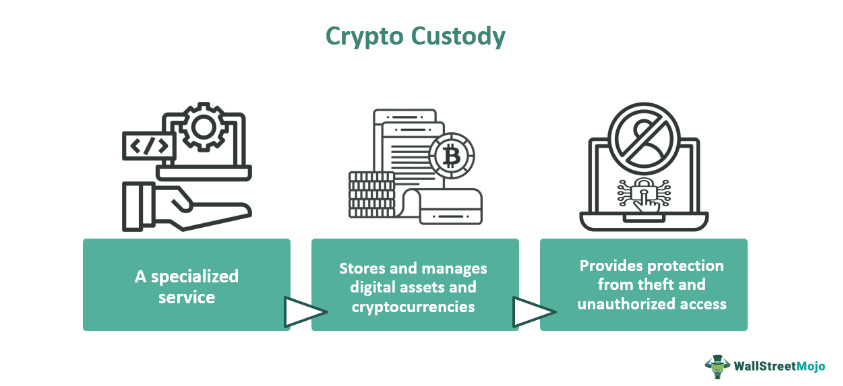

Crypto custody is becoming an essential focus within the evolving landscape of digital assets, as regulators and banking institutions grapple with its implications for innovation and stability. Recently, the Office of the Comptroller of the Currency (OCC) has emphasized that restricting national trust banks from engaging in crypto custody presents a “recipe for irrelevance.” This statement comes amidst a surge in interest regarding banking regulation and the role of stablecoins in the financial ecosystem. With over $2 trillion in digital custodial activity currently reported, the need for a robust framework that encompasses these emerging technologies is more pressing than ever. By embracing crypto custody, banks can not only avoid becoming outdated but also enable a more competitive financial environment that fosters growth and accommodates the demand for digital assets across the board.
The management and security of digital commodities, often termed as crypto asset safeguarding, is gaining momentum as traditional banks navigate their roles in a digital-first financial system. As the OCC deliberates on banking charters that could include various forms of cryptocurrency storage, discussions around fiscal oversight and trust entities are increasingly relevant. With the rise of stablecoins and other innovative financial instruments, the need for effective governance in this arena has never been clearer. Understanding how these financial vehicles operate and integrate into existing banking frameworks will be crucial for institutions keen on maintaining relevance in an accelerated marketplace. Adapting to this paradigm not only positions banks favorably in the competitive landscape but also ensures that they continue to serve their clients’ evolving needs.
The Importance of Crypto Custody for National Trust Banks
Crypto custody is rapidly emerging as a critical service within the banking sector, particularly for national trust banks. As digital assets gain mainstream acceptance, the demand for secure and regulated custody solutions has surged. By offering crypto custody services, banks can not only cater to the evolving needs of their clients but also position themselves as relevant players in an increasingly digital economy. The Comptroller of the Currency, Jonathan Gould, has emphasized that restricting banks from providing such services would stifle innovation and limit their ability to compete effectively against fintech and other non-bank entities.
Moreover, the performance of national trust banks can greatly benefit from engaging in crypto custody. With nearly $2 trillion in nonfiduciary custodial assets already in their portfolios, these banks have a solid foundation to build upon. By integrating crypto custody into their offerings, they can attract a new customer base interested in digital assets, including cryptocurrencies and stablecoins. Furthermore, this move aligns with banking regulation efforts aimed at fostering a more dynamic and competitive financial ecosystem.
Regulatory Challenges Facing Crypto Custody
Despite the growing interest in crypto custody, regulatory challenges persist. Groups like the Independent Community Bankers of America and the Bank Policy Institute have raised concerns about the implications of allowing national trust banks to engage in such activities. They argue that it could represent a misuse of regulatory exemptions, particularly in terms of how digital assets are treated under current banking laws. This regulatory hesitation could hinder banks from fully embracing opportunities presented by cryptocurrencies and other digital assets, including the recently proposed stablecoins.
The Office of the Comptroller of the Currency (OCC), however, has maintained that preventing banks from offering crypto custody could lead to a stagnation of traditional banking practices. Gould has argued that the historical precedent for nonfiduciary activities indicates a path for banks to adapt to new technologies without compromising regulatory integrity. By fostering a regulatory environment that encourages innovation, the OCC intends to allow national trust banks to play a significant role in the evolving digital asset landscape.
The Role of Stablecoins in the Future of Banking
Stablecoins have emerged as a particularly promising sector within the realm of digital assets, representing a bridge between traditional fiat currencies and cryptocurrencies. With their value pegged to stable assets like the U.S. dollar, stablecoins offer a level of price stability critical for mainstream adoption. Their potential for facilitating seamless transactions and payments has caught the attention of regulators and banks alike, with entities such as Sony Bank seeking to issue their own U.S. dollar-pegged stablecoins through national trust bank charters.
The integration of stablecoins into the banking framework could unlock new competitive advantages for community banks, allowing them to better serve their customers while keeping pace with larger financial institutions. As noted by Gould, the ability of stablecoins to enhance the deposit base of banks can position them favorably against non-bank competitors. However, it’s essential for regulators to develop appropriate guidelines that not only recognize the operational significance of stablecoins but also address the regulatory concerns that accompany their use.
Navigating Banking Regulations in the Digital Age
As the landscape of banking shifts to accommodate emerging technologies, navigating banking regulations becomes increasingly complex. The OCC is at the forefront of implementing regulations that support innovation while ensuring that financial institutions maintain the integrity and stability of the banking system. Conducting regulations that clarify how national trust banks can engage with digital assets, including cryptocurrencies and stablecoins, is crucial. This creates a framework for banks to operate confidently in an environment that is rapidly evolving.
Additionally, the OCC’s efforts to encourage national trust banks to expand their services to include crypto custody is an acknowledgment of the importance of remaining relevant in a digital-first world. As more banks apply for charters involving digital assets, it is imperative that regulatory structures evolve accordingly to avoid stifling innovation while safeguarding consumer interests. Collaborative efforts between regulators, banks, and fintech companies will be essential to establish guidelines that promote growth without compromising on safety.
The Evolution of Digital Asset Custody Services
Digital asset custody services have undergone tremendous evolution in recent years, adapting to the needs of investors and institutions alike. The advent of blockchain technology has brought forth new opportunities and challenges, making it necessary for banks to revise their custodial frameworks. National trust banks, which historically have held electronic rights to various assets, are now presented with the opportunity to include cryptocurrencies in their custody offerings. This transition is not merely a service expansion; it represents a profound shift in the way banks interact with their customers and handle assets.
By embracing digital assets and refining their custody services, banks are positioning themselves to capture a share of the burgeoning market for digital currencies. The custodial activities, particularly by national trust banks, have already reached nearly $2 trillion, indicating a robust interest in these services. Moving forward, these institutions must navigate the complexities of digital asset management while ensuring compliance with evolving regulatory requirements, thus marking a new chapter in the banking industry.
The Future of National Trust Banks in a Crypto World
The future of national trust banks lies intricately intertwined with the rise of cryptocurrencies and digital assets. As financial technology continues to advance, banks must adapt not only to survive but to thrive in this environment. The OCC’s endorsement of crypto custody indicates a potential shift towards a more inclusive banking model that recognizes the importance of digital assets. The development of a regulatory framework that supports the growth of these services will be critical for national trust banks aiming to fulfill their roles in the financial ecosystem.
Moreover, the investment in cryptocurrencies and digital assets is expected to flourish as banks begin to diversify their services. In this evolving landscape, national trust banks must not only focus on traditional banking functions but also embrace new financial products that meet customer demands for innovation, such as digital asset management and secure custody solutions. By doing so, they can ensure their relevance and effectiveness in a market increasingly shaped by the influence of digital currencies.
The Impact of Federal Regulations on Crypto Activities
Federal regulations play a vital role in shaping the landscape for crypto activities within the banking system. As the OCC navigates these regulatory waters, it is essential to create policies that support innovation while protecting the financial ecosystem’s integrity. The tension between preserving traditional banking practices and accommodating the revolutionary aspects of cryptocurrencies presents a unique challenge. Striking the right balance between these forces is necessary for fostering a vibrant environment where banks can safely engage with digital assets.
Furthermore, the OCC’s continued oversight of national trust banks, particularly in relation to crypto custody, is pivotal for ensuring compliance and consumer protection. Regulatory clarity will enhance confidence among financial institutions, consumers, and investors. By addressing the needs for regulation in areas such as stablecoins and digital asset transactions, the OCC can help pave the way for a banking sector that is responsive to the digital revolution while still safeguarding the interests of all stakeholders.
Engaging with the Digital Asset Community
As national trust banks transition towards offering crypto custody, engaging with the digital asset community will be a critical component of their success. Building relationships with cryptocurrency exchanges, blockchain firms, and technology providers can provide banks with insights into the trends and requirements of the digital asset landscape. By participating in these communities, banks can enhance their understanding of the technology that underpins cryptocurrencies and gain access to partnerships that can improve their services.
Moreover, collaboration with innovation hubs and fintech startups will allow national trust banks to tap into a wealth of knowledge and expertise. This engagement can lead to the development of tailored solutions that meet the unique needs of customers interested in digital assets. As banks become more involved with the digital asset community, they will be better positioned to adapt their offerings, ensuring that they remain competitive in a fast-evolving market.
Potential Benefits of Offering Crypto Custody
The benefits of offering crypto custody services extend beyond just meeting customer demand; they also include enhancing operational efficiencies and diversifying revenue streams for national trust banks. Custody solutions for digital assets can attract a wider client base, including institutional investors looking for secure ways to manage their cryptocurrency portfolios. By capitalizing on this growing interest, banks can generate additional income through custody fees and related services, further fortifying their financial positions in an era challenged by low-interest rates.
Furthermore, offering a comprehensive range of modern banking services, including crypto custody, can strengthen customer relationships and loyalty. By being proactive in the digital asset space, banks position themselves as forward-thinking institutions that are committed to embracing innovation. This not only enhances their brand reputation but also potentially attracts new clients who prioritize modern banking solutions tailored to their evolving needs.
Frequently Asked Questions
What is crypto custody and how does it affect digital assets?
Crypto custody refers to the services that securely hold and manage cryptocurrencies and digital assets on behalf of investors or institutions. As the adoption of digital assets grows, effective crypto custody services become crucial for protecting assets from theft and ensuring compliance with banking regulations.
How do national trust banks engage in crypto custody?
National trust banks can engage in crypto custody by obtaining charters that allow them to manage digital assets for clients. This includes various activities such as issuing stablecoins and custodial services, which are subject to regulations established by the OCC to ensure safety and soundness.
What role does the OCC play in regulating crypto custody?
The Office of the Comptroller of the Currency (OCC) regulates national trust banks and oversees their activities, including crypto custody. The OCC aims to facilitate innovation while ensuring these banks adhere to banking regulations, maintaining the integrity of the financial system.
Are stablecoins considered part of crypto custody services?
Yes, stablecoins are often included in crypto custody services. These digital currencies are pegged to traditional assets like the US dollar, and custody providers manage the assets backing these stablecoins, ensuring they are secured and properly accounted for.
What are the risks of preventing national trust banks from offering crypto custody?
Preventing national trust banks from engaging in crypto custody can lead to a stagnant banking system, limit innovation, and result in significant capital being managed outside the regulated banking environment, which could have implications for consumers and the broader economy.
How has the demand for crypto custody services changed in recent years?
The demand for crypto custody services has increased significantly, with national trust banks reporting nearly $2 trillion in nonfiduciary custodial assets under administration. This surge indicates a growing acceptance and reliance on digital assets within the traditional banking framework.
Can state trust companies provide digital asset custody services?
Yes, state trust companies in states like New York and South Dakota have started to provide digital asset custody services. This reflects the regulatory adaptations happening at the state level to meet the evolving needs of the digital asset market.
What is the impact of regulatory challenges on crypto custody?
Regulatory challenges can hinder the growth of crypto custody services by deterring banks from offering these services or creating an uncertain environment for innovation. Effective regulation is essential to balancing oversight while fostering an environment conducive to growth and competition in the crypto space.
| Key Points | Details |
|---|---|
| Warning from OCC Chief | Jonathan Gould expresses that blocking crypto custody is a danger to the future relevance of banks. |
| Support for Crypto Custody | Gould defends existing $2 trillion in digital custodial activity, stating it follows a long-standing precedent. |
| Call for Innovation | Restricting activities to outdated technologies stifles innovation, according to Gould. |
| Regulatory Concerns | Opposition groups urge the OCC to block crypto charter applications, claiming exploitation of loopholes. |
| Economic Impact | Prohibiting crypto custody could undermine a large portion of the banking system’s assets. |
| Historical Context | National trust banks have engaged in custody activities for decades, including for digital assets. |
| Growth of Charter Applications | 14 new charters requested this year, with many involving digital asset activities. |
| Future Projections | Gould emphasizes the need for the banking system to evolve with technology for sustainability. |
Summary
Crypto custody is essential for the banking industry’s adaptability to evolving financial technologies. The Comptroller of the Currency, Jonathan Gould, asserts that banks blocking crypto custody is detrimental and could lead to diminished relevance in the competitive landscape of modern finance. Emphasizing the importance of innovation, Gould argues that restricting banks from engaging with digital assets ignores historical precedents and risks halting progress. As the digital asset market continues to grow, allowing banks to offer crypto custody services is not just a regulatory necessity but a critical step toward sustaining the banking system’s dynamism and competitive edge.
Related: More from Regulation & Policy | UK Gambling Regulator Examines Cryptocurrencies for Licensed Bettors in Crypto Regulation | Blocks Retreat Signals Broader Payments Shifts