


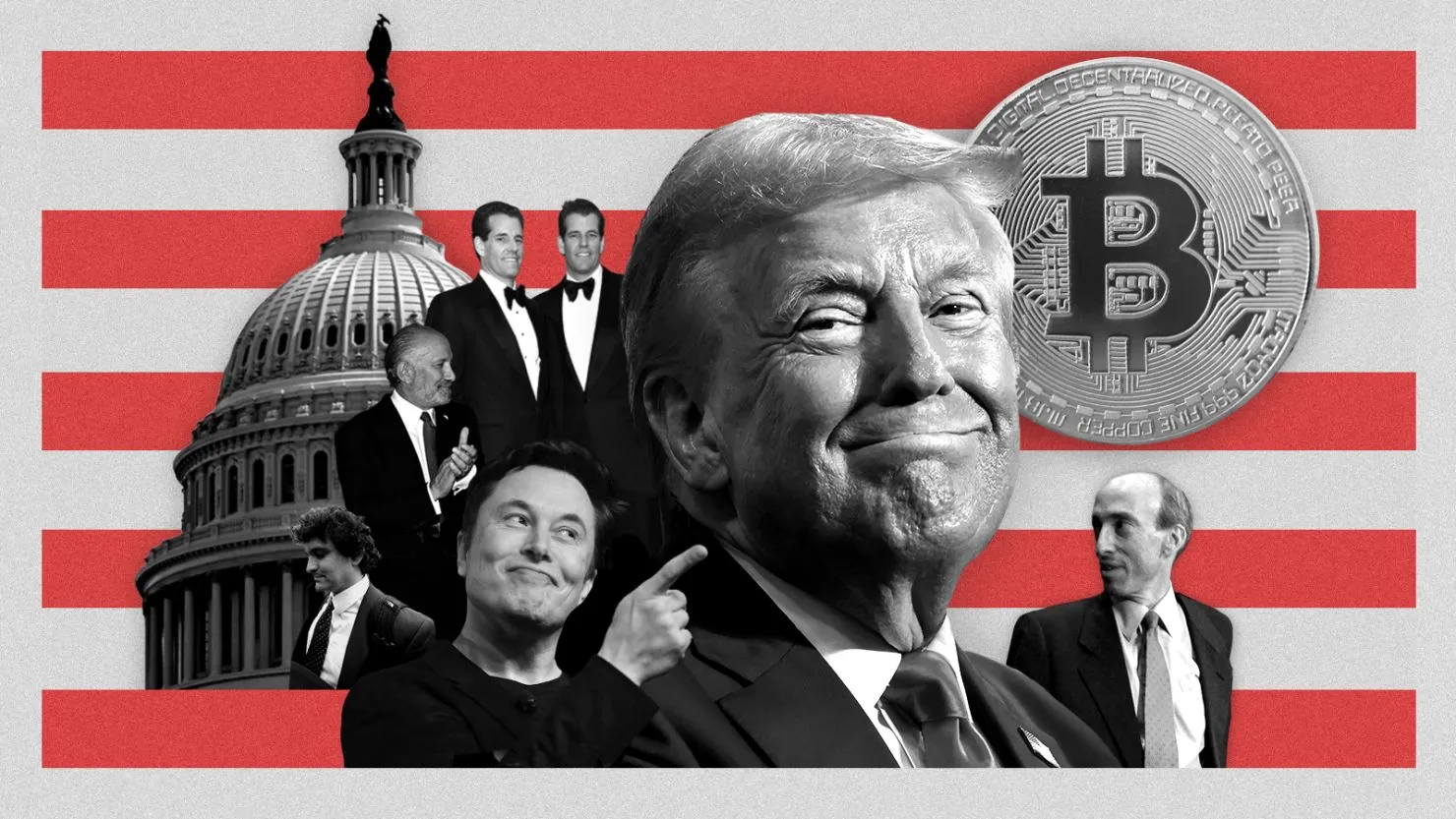

Crypto Firms Urge Trump to Direct Agencies on Stalled Regulatory Guidance

Key Takeaways
In recent developments, key players within the cryptocurrency industry are calling on former President Donald Trump to exert his influence on federal agencies concerning stalled regulatory guidance. The ongoing regulatory ambiguities have left many startups and established companies alike navigating through a challenging landscape, unsure of future legal frameworks and compliance requirements.
Despite the burgeoning potential of blockchain technologies and cryptocurrencies, the industry has found itself hamstrung by unclear and outdated regulatory policies. Industry leaders argue that this lack of clarity not only stifles innovation but also places U.S. companies at a competitive disadvantage in the global market.
The Appeal to Trump
Crypto firms assert that direct intervention by Trump could accelerate the process, prompting agencies like the Securities and Exchange Commission (SEC), the Commodity Futures Trading Commission (CFTC), and the Internal Revenue Service (IRS) to finalize and clarify pending guidance. The time-sensitive nature of these regulatory decisions is critical as it impacts numerous businesses and the broader trajectory of the financial technology sector.
During his presidency, Trump expressed a relatively guarded stance on cryptocurrencies, famously tweeting his skepticism about Bitcoin and other cryptocurrencies. Despite this, the crypto industry sees an opportunity in appealing to Trump given his influential voice in policy matters and his administration’s prior engagements with deregulation initiatives. By calling on Trump, firms are not just seeking expedited policies but are also pushing for regulations that could foster growth rather than hinder innovation.
Specific Areas of Concern
The regulatory concerns of the crypto sector are multi-faceted, involving issues of securities law compliance, taxation, and operational licensing. One significant area of concern is the classification of cryptocurrencies—whether they should be treated as securities, commodities, or a distinct asset class. This classification affects how they are regulated and what agencies have jurisdiction over them. Currently, the approach to this classification is fragmented, leading to confusion and inconsistent enforcement actions.
Another critical area is the taxation of crypto transactions. The IRS has issued some guidance on the matter, but key questions remain, leading to a compliance nightmare for both individual investors and businesses engaged in cryptocurrencies.
The Role of Federal Agencies
The agencies at the center of this regulatory tug-of-war have indicated continued interest in addressing these concerns but have often cited the need for careful consideration and broader inter-agency collaboration. The slow pace of progress, however, prompts the industry’s current push.
The SEC, under the leadership of Gary Gensler, has indicated a more proactive approach to cryptocurrency oversight but also calls for clearer legislative mandates from Congress. Meanwhile, the CFTC has shown some openness towards cryptocurrencies, treating certain types as commodities.
Conference and Lobbying Efforts
To further this cause, industry groups have organized conferences and lobbying efforts targeting key policymakers and legislators. These events serve as platforms to voice concerns, propose frameworks for innovation-friendly regulations, and educate stakeholders about the intrinsic value and utility of cryptocurrencies and blockchain technology.
Looking Forward
As the industry continues to evolve at a rapid pace, the need for clear, consistent regulatory frameworks becomes increasingly crucial. The appeal to Trump represents not just a strategic move to expedite stalled guidance but also highlights the broader challenges facing the cryptographic and blockchain sector in the U.S. It underscores an urgent call for a coordinated governmental approach to embrace and regulate this transformative technology effectively.
Without a doubt, the outcome of these efforts will significantly impact the global competitiveness of the U.S. crypto market. Industry insiders remain hopeful that heightened advocacy and dialogue with governmental agencies, spurred possibly by Trump’s involvement, will usher in a new era of regulatory clarity and innovation encouragement.