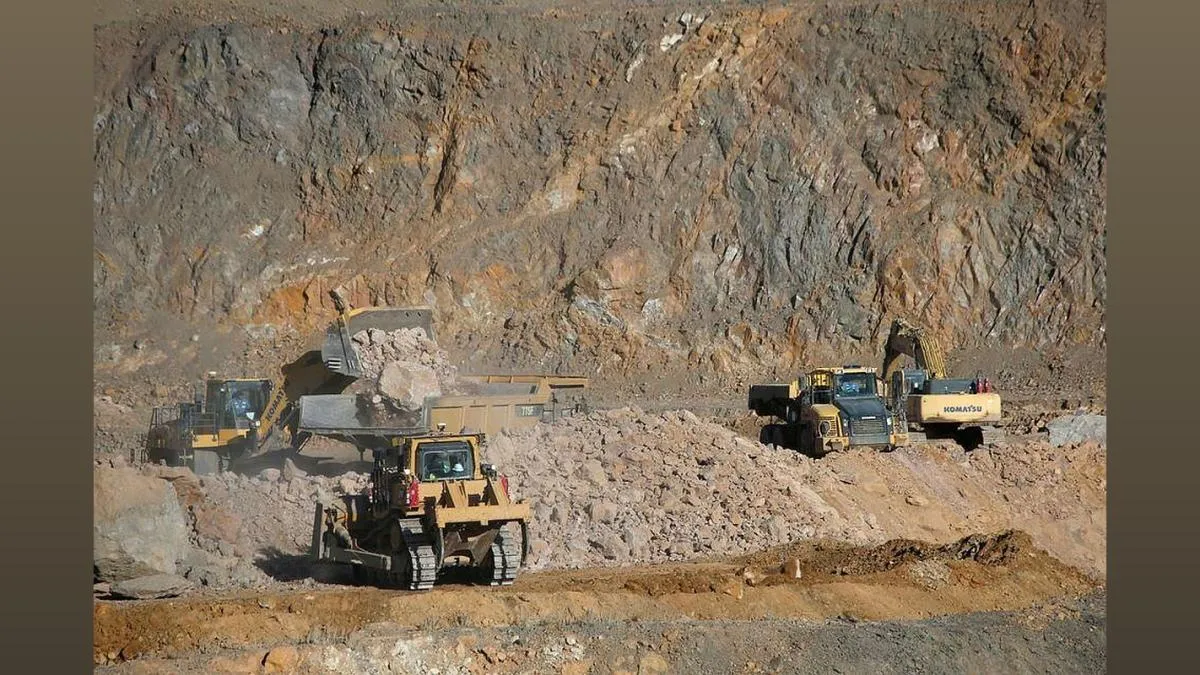

Trump Administration Adds Copper, Coal, and Other Vital Resources to Critical Minerals List
Key Takeaways
In a move reflecting the strategic adjustment of U.S. policy concerning resource utilization and national security, the Trump administration recently expanded its list of critical minerals, incorporating essential commodities such as copper, coal, and several others. This decision underscores a renewed focus on securing the nation’s supply chains and reducing dependence on foreign imports for crucial raw materials.
Strategic Importance of the New Additions
Copper and coal, alongside other newly listed minerals, play pivotal roles in various sectors of the economy. Copper is fundamental in electrical engineering, electronics, construction, and the burgeoning electric vehicle industry. The metal’s excellent conductivity and malleability make it indispensable in manufacturing an array of electrical devices and machinery.
Coal continues to be a significant component of America’s energy sector despite the global shift towards renewable sources. It is not only used in electricity generation but also in the production of steel and critical industrial processes. Including coal in the critical minerals list, therefore, underscores its ongoing importance to the U.S. industrial base.
Implications of the Policy Shift
This strategic update to the critical minerals list has several implications:
-
Enhanced Resource Security: By classifying these resources as critical, the administration aims to ensure a stable domestic supply and reduce vulnerabilities from foreign supply disruptions. This is particularly crucial amid growing geopolitical tensions and trade uncertainties with key supplier countries.
-
Economic and Industrial Policy: Listing these minerals as critical may lead to increased investments in mining and processing facilities within the United States. This could stimulate job creation in relevant sectors and foster a more robust industrial economy.
-
Environmental and Regulatory Adjustments: The inclusion of these materials might streamline regulatory processes for mining and production, although this could raise environmental concerns. Balancing exploitation with ecological and climate considerations will be key in shaping future regulatory frameworks.
- Research and Development: The focus on these minerals is likely to spur research and innovation aimed at improving extraction techniques and developing sustainable substitutes. This aligns with broader national goals of technological advancement and sustainability.
Industry and Environmental Reactions
The industry has largely welcomed this decision, viewing it as a step that promises greater certainty in investments and operations. However, environmental groups have expressed concerns, particularly about coal’s status, given its impact on climate change. They advocate for policies that support a transition away from fossil fuels and towards cleaner energy alternatives.
Looking Ahead
Incorporating copper, coal, and other pivotal resources into the critical minerals list is a clear indication of the administration’s approach to securing the nation’s industrial future and economic independence. This policy shift is poised to reshape the landscape of American industry and resource management, potentially catalyzing substantial economic activity. However, it also calls for careful consideration and balancing of environmental values and sustainable development principles.
As the U.S. government addresses the challenges of resource criticality, the path it chooses will have long-lasting effects on both national security and environmental integrity. The move to bolster domestic supplies of these critical minerals is a strategic one, and its success will largely depend on the execution of accompanying policies in the realms of environmental protection, economic strategy, and technological innovation.
Related: More from Regulation & Policy | Paul Atkins: Trumps Crypto Legacy in Crypto Regulation | BOJ Examines Tokenized Central Bank Money for Digital Yen in 2026