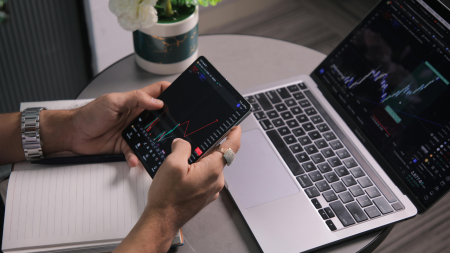




Quick Survival Guide for Altcoin Traders Amid November Fear

Key Takeaways
As the crypto world braves another November, historically known for its market turmoil, altcoin traders are on high alert. The fear, uncertainty, and doubt (FUD) typical of this period can lead to precipitous drops and unexpected surges in the altcoin markets. Here’s a concise survival guide aimed at helping traders navigate these choppy waters.
1. Stay Informed and Prepare for Volatility
Volatility is the hallmark of cryptocurrency markets, and more so for altcoins. It is crucial to stay updated with the latest market news and global economic indicators that can affect cryptocurrencies. Use tools that provide real-time data and analysis to keep abreast of market movements.
2. Establish a Clear Trading Strategy
This isn’t the time for impulsive decisions. Define your trading strategy and stick to it. Whether you’re day trading, swing trading, or long-term holding, ensure your methods match your risk tolerance and investment goals. Consider automated trading systems to remove emotion from your trading decisions.
3. Diversify Your Portfolio
While altcoins can offer substantial returns, they also carry higher risks, especially during volatile periods. Diversifying your investment across different assets can reduce risk. This might include spreading investments across various altcoins or balancing your crypto holdings with more traditional investments like stocks or commodities.
4. Use Stop Loss and Take Profit Orders
Protect your investments from extreme fluctuations with stop-loss orders. These tools can limit potential losses by automatically selling at a preset price. Similarly, take profit orders can secure gains by selling when prices reach a certain level. Effective use of these tools can preserve capital and lock in profits.
5. Beware of FUD and Market Manipulation
FUD can be particularly rampant during periods of high market anxiety. Be critical of where you get your information and wary of market manipulation tactics. Stick to reputable sources for crypto news and analysis and be skeptical of unverified claims on social media.
6. Maintain Strong Security Practices
Security should be a top priority for every trader. Ensure that your trading platforms and wallets are secure, and use features like two-factor authentication (2FA) to protect your accounts. Additionally, be vigilant about phishing attempts and other types of cyber fraud, particularly during high-trade volumes.
7. Keep an Eye on Regulatory Changes
Regulatory news can drastically affect crypto markets. Keeping a close watch on governmental stances towards cryptocurrencies can provide insights into potential market movements. Regulatory approvals can send prices soaring, while crackdowns or bans may cause them to tumble.
8. Have an Exit Strategy
Decide in advance how and when to exit your trading positions. This part of your strategy ensures you’re not caught unprepared, regardless of whether the market spikes or plummets. It also helps in taking emotion out of the equation, allowing for more rational decision-making.
9. Stay Calm and Avoid Overtrading
In times of high market volatility, it might be tempting to make frequent trades to recover losses or take advantage of swings. However, this can lead to burnout and increased fees that cut into any gains. Keeping a level head and adhering to your trading plan helps mitigate these risks.
10. Embrace Learning
Every market cycle offers lessons. Analyze your trade history and market moves to understand better what worked and what didn’t. Use these insights to refine your strategy and prepare for the next cycle. Continuous learning is a key component of long-term success in crypto trading.
Navigating the November markets demands discipline, readiness to adapt, and an unwavering focus on security. By preparing for volatility, refining your strategies, and maintaining a balanced perspective, you can enhance your trading efficacy and safeguard your investments even in the most uncertain times.
Context
Current positioning around Altcoin News remains sensitive to primary-source updates, policy interpretation, and execution risk across major venues.
What To Watch
Key confirmation signals include sustained spot demand, funding stability, and whether price can hold reclaimed levels after headline-driven volatility.
If momentum weakens, traders will likely prioritize downside liquidity zones and risk-control positioning before adding new directional exposure.
Related: More from Altcoin News | Takaichi Disowns Solana Coin After Huge Drop in Altcoin | BNB Above $630: YZi Labs Invests $100M in Hash Global Fund