

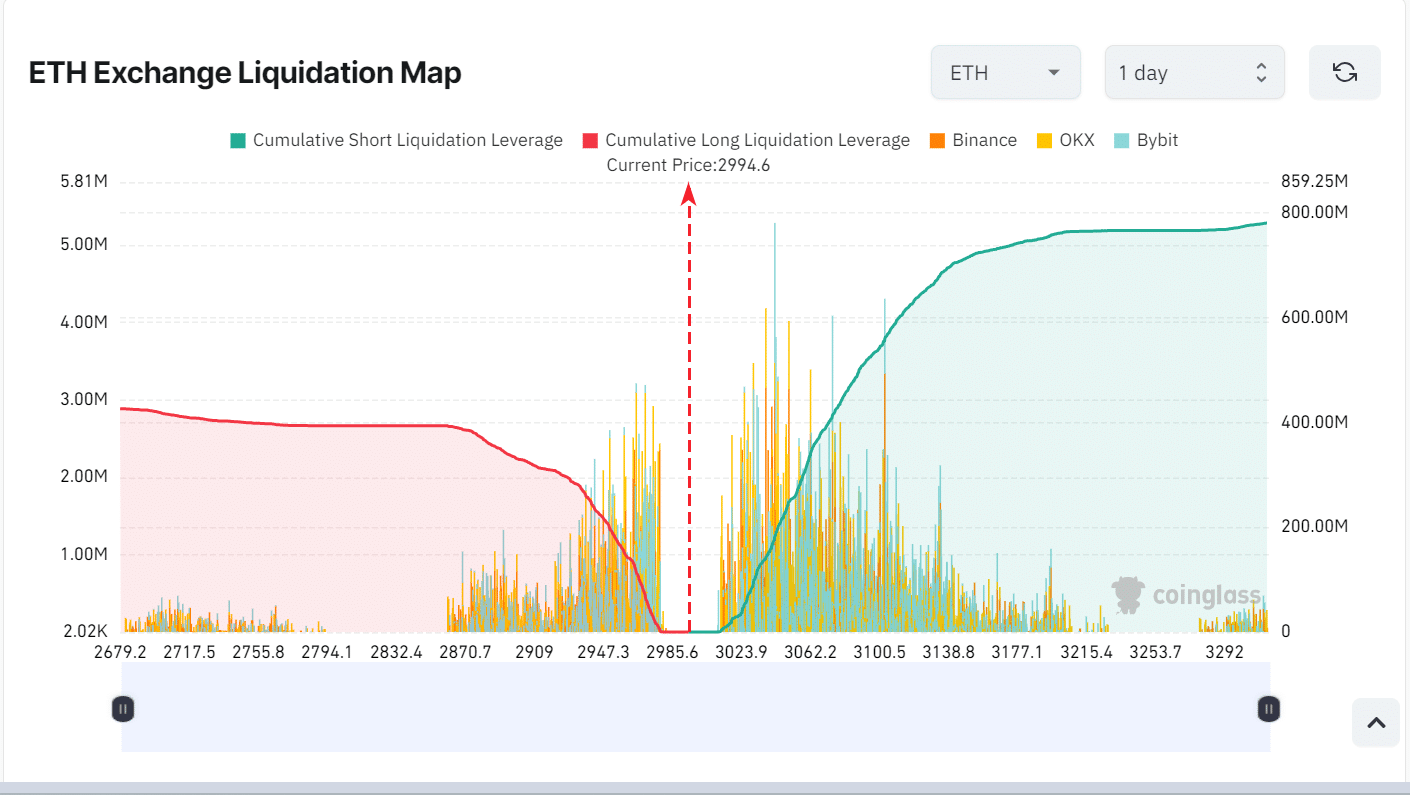

In recent developments, the complete liquidation of ETH has grabbed the attention of investors and analysts alike. Notably, Yi Lihua’s recent transfers to Binance signify a robust shift in the crypto market, with over 630,400 ETH moved, totaling approximately $1.294 billion. This sudden surge in ETH liquidation paints a concerning picture, raising questions about broader crypto market trends. Traditional deleveraging tactics seem insufficient here, as the amount liquidated far exceeds standard practices. With only 21,300 ETH remaining on-chain, the implications for liquidation analysis are profound, suggesting a significant reallocation of resources within the digital asset landscape.

The recent activity surrounding Ethereum transactions has underscored a drastic shift in asset management strategies, particularly seen in the actions of Yi Lihua. Extensive ETH transfers have paved the way for a comprehensive market adjustment rather than simple asset reduction or deleveraging. This scenario not only highlights the sheer volume of ETH being liquidated but also aligns with emerging patterns within the cryptocurrency sphere, indicating potential volatility. As investors keep a watchful eye, understanding these dynamics will be crucial for capturing future market movements and investment strategies. By analyzing these shifts, stakeholders can better navigate the intricate landscape of digital finance.
| Key Points | Details |
|---|---|
| ETH Transfer Amount | 630,400 ETH (approximately $1.294 billion) transferred to Binance. |
| Remaining ETH | 21,300 ETH (around $43.94 million) left on-chain. |
| Analysis Conclusion | The transfer volume exceeds typical deleveraging needs, indicating a complete liquidation rather than just a deleveraging process. |
| Expert Opinion | On-chain analyst Yu Jin suggests Yi Lihua’s actions are indicative of total liquidation. |
Summary
The complete liquidation of ETH is currently taking place as evidenced by the massive transfer of ETH to exchanges, far beyond what would be necessary for standard deleveraging. With over 630,400 ETH being moved to Binance, the actions taken by Yi Lihua indicate that a total liquidation is underway, leaving a significantly small amount of ETH remaining on-chain.
The Implications of Complete Liquidation of ETH
The complete liquidation of ETH indicates a significant shift in market dynamics, particularly when such a large amount is transferred to an exchange. Yi Lihua’s transfer of 630,400 ETH to Binance highlights a potential major sell-off, which can influence crypto market trends. Investors may perceive this as a bearish signal, leading to increased volatility as traders react to the likelihood of a price drop. It raises questions about investor confidence and the overall health of the Ethereum network, prompting further liquidation analysis.
When a notable figure like Yi Lihua liquidates a substantial amount of ETH, others in the market often follow suit, fearing losses due to declining prices. This creates a domino effect that can exacerbate the downward pressure on ETH’s market value, leading to further ETH transfers to Binance and other exchanges. Understanding the implications of this complete liquidation is crucial for investors who must navigate the shifting landscape of the crypto market.
Analyzing ETH Transfers to Binance
The recent trend of ETH transfers to Binance is noteworthy, particularly with the significant movement from Yi Lihua’s address. Transferring 630,400 ETH indicates not merely a strategic deleveraging but points towards a complete liquidation strategy. This amount far exceeds the typical volumes seen during minor market adjustments, suggesting that larger market players are realigning their portfolios amid rising uncertainty in the crypto space.
Such massive ETH transfers to exchanges like Binance often correlate with market events or investor sentiment shifts. As traders analyze these patterns, they can perform liquidation analysis to predict potential price movements. The massive scale of Yi Lihua’s liquidation might trigger caution among others in the market, leading to a rush to offload ETH and potentially creating a downward spiral in ETH prices.
The Role of Yi Lihua in Current ETH Liquidation Trends
Yi Lihua has emerged as a pivotal figure in the current liquidation trends surrounding ETH. With an impressive transfer to Binance, firm speculation arises regarding the motivations behind such actions. Was this merely a personal financial strategy, or does it reflect broader sentiments in the crypto community? As analysts assess Yi Lihua’s role, they note that his decisions can impact market trends significantly, especially when liquidity is at stake.
As an influential player in the market, Yi Lihua’s actions may prompt other investors to evaluate their own positions concerning ETH. This heightened awareness can lead to an increased number of ETH transfers to Binance, further feeding into the narrative of a complete liquidation, prompting an in-depth analysis of how these actions might affect future ETH price trajectories.
Evaluating the Impact of ETH Liquidation on Market Sentiment
The market sentiment often shifts dramatically in response to large-scale ETH liquidation events. When larger holders or key figures like Yi Lihua make substantial moves, it tends to create unease among retail investors. The analysis of liquidation trends shows that fear of further selling could deter buyers, which in turn continues to push prices downward, especially if substantial ETH transfers to exchanges are perceived as foreboding signs.
To evaluate market sentiment accurately during such times, experts often consider the broader economic indicators and past crypto market trends. If liquidations become common among major holders, it may reflect a consensus on a bearish outlook for ETH and similar assets, leading to more conservative trading strategies among investors.
Market Trends Following Significant ETH Liquidations
After significant liquidations of ETH, historical data typically showcases notable price trends that may follow. The extensive sell-off initiated by Yi Lihua can lead to a downward adjustment in ETH prices, prompting those in the crypto realm to reassess their positions. Observing these market trends is vital as they offer insights into what may occur in rapid succession when significant liquidity shifts are involved.
Moreover, each wave of liquidation can leave a lasting impact on market dynamics. Investors often watch for patterns in price behavior, indicating how ETH responds to large amounts being offloaded onto platforms like Binance. Such analysis can prepare traders for future volatility and create a more fortified investment strategy moving forward.
Liquidation Analysis: Understanding ETH’s Current Situation
Conducting a liquidation analysis on ETH provides critical insights into the cryptocurrency’s current situation. Yi Lihua’s transfer of 630,400 ETH not only demonstrates the immediate liquidity changes but also the larger systemic issues within the crypto markets. This analysis helps stakeholders understand the reasons behind such decisions and the potential long-term implications for Ethereum and its investors.
The ongoing liquidation process can reveal underlying tensions in the market about the value of ETH. Conflicting views about whether these actions signify a larger market collapse or normal portfolio adjustments will drive even more speculation, ultimately leading to changes in trading behavior across the board.
Understanding the Behavior of Major ETH Holders
The behavior of significant ETH holders is crucial in understanding market movements, especially during liquidation phases. Yi Lihua’s recent actions of transferring vast amounts of ETH to Binance underscore a tendency among large players to take preemptive measures in uncertain market conditions. Such behaviors can indicate a broader attitude toward ETH and inform potential actions of smaller investors observing these trends.
As large holders make substantial moves, they not only influence market sentiment but can also dictate the flow of ETH transactions across exchanges. This behavior helps analysts predict subsequent market shifts and informs potential strategies for engaging with ETH, especially during periods marked by heightened volatility and uncertainty.
Reacting to Crypto Market Trends Amidst Liquidation Events
In the face of substantial liquidation events such as Yi Lihua’s recent moves, investors are often forced to react swiftly to market trends. The flooding of ETH to exchanges can create rapid price adjustments, compelling traders to make quick decisions. Understanding how to react to these trends becomes crucial for anyone participating in the market.
Traders may choose to liquidate their own positions out of fear of further declines or wait for potential recoveries, causing varied reactions across the crypto landscape. As news of liquidation spreads, market participants must remain alert to shifts in sentiment that could dictate the overall direction of ETH prices and the broader crypto market.
Future Implications of ETH Liquidations on Blockchain Investments
The future implications of ongoing ETH liquidations delve deeper than mere price adjustments; they raise questions about the sustainability of blockchain investments. The actions of Yi Lihua, moving such large quantities of ETH, highlight a potential pivot in market confidence that could influence crypto development and investment decisions across the blockchain landscape.
Investors and developers alike are likely to scrutinize these events closely to gauge the stability of Ethereum as a platform. Continued liquidations may prompt increased regulatory scrutiny and a reevaluation of the value proposals of key blockchain assets. It’s crucial for stakeholders to adapt strategies that account for these evolving dynamics, as the repercussions of liquidations can shape the future of blockchain investments.
Frequently Asked Questions
What does complete liquidation of ETH mean?
Complete liquidation of ETH refers to the process of selling off a significant amount of Ethereum assets, often to pay off debts or exit positions entirely from the crypto market. In this case, the complete liquidation suggests that a large holder, such as Yi Lihua, is transferring a substantial amount of ETH to exchanges like Binance, significantly reducing their on-chain holdings.
How does Yi Lihua’s ETH liquidation affect the crypto market trends?
Yi Lihua’s complete liquidation of ETH, involving a transfer of 630,400 ETH to Binance, could negatively impact crypto market trends by increasing selling pressure. Such a significant sell-off may signal bearish sentiment, prompting other investors to react and potentially leading to a decrease in Ethereum’s market value.
What is the significance of ETH transfers to Binance during liquidation?
ETH transfers to Binance during a complete liquidation indicate that the assets are being prepared for sale on a centralized exchange. This strategy allows for a quicker conversion to cash or other cryptocurrencies, making it a critical factor for investors to observe, as it can foreshadow further price volatility in the ETH market.
How can I analyze the liquidation trends in ETH?
To analyze liquidation trends in ETH, you can monitor on-chain data, observer wallet activity, and track large transactions on platforms like Binance. Tools such as blockchain explorers and crypto analytics platforms can provide insights into significant ETH transfers and market patterns, helping you understand the potential implications of complete liquidation events.
Why is Yi Lihua liquidating such a large amount of ETH?
Yi Lihua’s liquidation of a large amount of ETH—specifically, over 630,000 ETH—might be part of a strategic move to manage risk, exit a position, or respond to unfavorable market conditions. The substantial amount transferred surpasses typical deleveraging needs, indicating an intention for complete liquidation rather than merely adjusting positions.
What implications does a complete liquidation of ETH have for investors?
A complete liquidation of ETH, such as that seen with Yi Lihua transferring vast amounts to exchanges, can lead to increased market volatility and potentially lower prices. Investors need to be cautious as such actions may indicate broader market trends or sentiment shifts, prompting them to reassess their investment strategies accordingly.
How does liquidity analysis relate to ETH liquidation events?
Liquidity analysis examines the ease of buying or selling an asset without significantly affecting its price. In the context of ETH liquidation, observing vast transfers like those done by Yi Lihua can provide insights into the market’s current liquidity conditions, indicating how quickly an investor might be able to liquidate assets without causing drastic price changes.
What are the risks of participating in the ETH market during a liquidation phase?
Participating in the ETH market during a liquidation phase carries risks such as increased volatility, potential price drops, and uncertainty around market trends. Events like Yi Lihua’s complete liquidation highlight the importance of understanding market dynamics, as sudden sell-offs can lead to rapid loss of value for remaining investors.
