
| Key Point | Details |
|---|---|
| Debate on Crypto Regulation | Coinbase CEO Brian Armstrong debated crypto reporter Eleanor Terrett, questioning Coinbase’s stance on crypto regulation, which spread quickly on social media. |
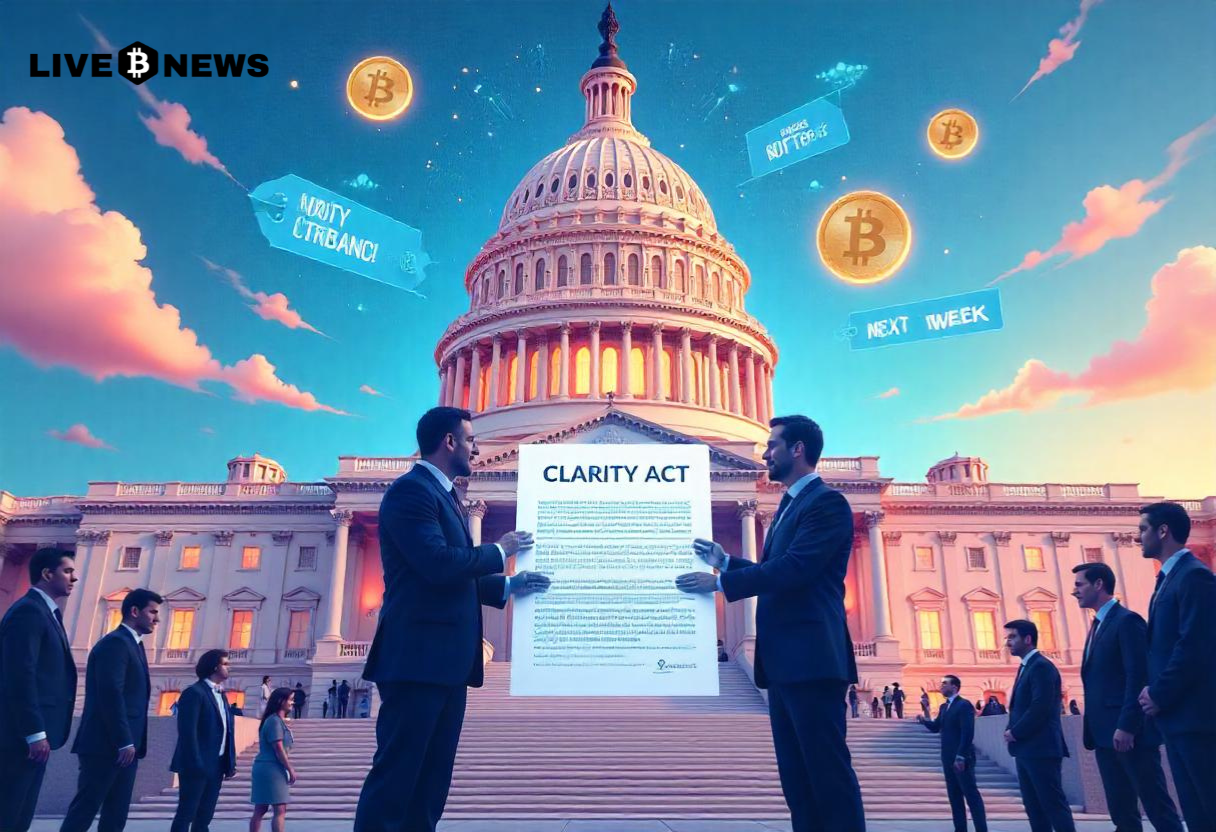
| CLARITY Act Markup Delay | The Senate Banking Committee postponed the CLARITY Act markup initially scheduled for January 15, due to ongoing bipartisan negotiations. |
| Stablecoin Reward Issue | Concerns arose regarding the classification of stablecoin rewards and whether they should be treated as deposit-like yields. |
| Legislative History | H.R. 3633 approved by the House on July 17, 2025, but the subsequent Senate action is delayed pending the stablecoin rewards negotiation. |
| Concerns from Banks | Banks argue that reward-bearing stablecoins can be seen as deposit-like yields, impacting consumer expectations and regulatory implications. |
| White House Involvement | Reports suggest the White House may withdraw support unless an agreement on yield acceptable to banks is reached. |
| Market Monitoring | Market participants are keeping an eye on communications outside official channels to gauge the situation. |
Summary
The recent developments regarding the Coinbase CLARITY Act delays highlight the complexity of crypto regulation at a pivotal time for legislation affecting digital assets. The postponement is a result of bipartisan negotiations that center around the contentious issue of stablecoin rewards, which have significant implications for both consumer protection and the regulatory landscape. As lawmakers strive to find a balance, the outcome will influence how such digital products are classified and regulated in the future.
The recent delays surrounding the Coinbase CLARITY Act have sparked renewed discussions within the crypto regulation debate, particularly in light of the Senate Banking Committee’s unexpected postponement. CEO Brian Armstrong and crypto reporter Eleanor Terrett recently engaged in a public exchange that echoed the ongoing tensions between industry stakeholders and regulatory bodies. With the committee slated to decide on critical legislation regarding the future of stablecoin rewards, each step back represents a crucial moment in the formulation of crypto legislation updates impacting the market. As bipartisan negotiations linger, concerns about whether stablecoin rewards will be treated similarly to bank deposits looms larger, complicating the path forward for many organizations. The stakes are high as industry leaders and lawmakers scramble to find common ground on an issue that could reshape the landscape of digital assets and investor protections.
In the wake of the recent postponement of the CLARITY Act by the Senate Banking Committee, the conversation around cryptocurrency governance has intensified. This legislative measure has significant implications, especially regarding stablecoin incentives and how they compete with traditional banking offerings. Coinbase’s leadership, particularly Brian Armstrong’s vocal critiques of regulatory approaches, shows the depth of the ongoing conflict between crypto platforms and government entities. As stakeholders grasp for clarity amidst the delays, the fate of the proposed framework may hinge on emerging compromises over how rewards are classified and regulated. Ultimately, the world of digital currencies is poised at a critical juncture, awaiting both regulatory guidance and public sentiment to shape its trajectory.
Coinbase CLARITY Act Delays: Impacts on Crypto Regulation
This week’s discussions surrounding the postponed markup of the CLARITY Act highlighted the intricate dynamics of crypto regulation. The Senate Banking Committee’s delay, originally set for January 15, 2025, has significant implications for legislative progress in establishing a regulatory framework for digital assets. As the committee navigates bipartisan negotiations over the contentious language regarding stablecoin rewards, the uncertainty surrounding this act has led to renewed conversations in both the financial and crypto communities. Many stakeholders are now questioning how these legislative delays will shape the future landscape of crypto markets and investor protections.
The ongoing debate between Coinbase CEO Brian Armstrong and crypto reporter Eleanor Terrett brought to light the urgency with which the industry is seeking clarity on these regulations. Armstrong candidly expressed concerns over the potential negative repercussions of “draft amendments” that could undermine stablecoin rewards. This indicates a deeper tension within the industry, as players like Coinbase are safeguarding their interests while navigating the evolving regulatory framework. The postponement of the CLARITY Act not only delays regulatory clarity but also reflects the broader complications that arise during periods of legislative negotiation, which many hope will resolve favorably for all parties involved.
The Congressional Debate on Crypto Regulation
The discussions around crypto regulation have been reignited this week due to the ongoing discord surrounding the CLARITY Act. Following the postponement by the Senate Banking Committee, industry stakeholders are left in a state of uncertainty about the future regulatory landscape. This debate comes at a critical time, particularly as the committee’s previous optimism regarding a seemingly straightforward markup is now clouded by bipartisan disagreements. The ongoing negotiations have stirred apprehension among investors and crypto enthusiasts who are eager for clarity on asset classification and consumer protection measures.
Brian Armstrong’s statements about the potential risks of losing stablecoin rewards highlight the stakes involved in this legislative process. His comments underscore an essential tension: necessary regulations must avoid stifling innovation in the crypto space while also protecting consumers from potential pitfalls. With the committee’s postponement adding to the complexity of the regulatory environment, observers are keenly watching the developments to gauge how this will influence future discussions in Congress and the overall market sentiment for cryptocurrencies.
Stablecoin Rewards Controversy and its Legislative Implications
The controversy surrounding stablecoin rewards has emerged as a spotlight issue in the debate over the CLARITY Act. At its core, the discussion hinges on whether yields from stablecoin rewards should be treated similarly to traditional deposit yields. As legislators grapple with defining regulatory benchmarks, the perspectives of various stakeholders—including banks, crypto exchanges, and investors—intersect at a pivotal junction. Armstrong’s concerns about the potential amendment repercussions demonstrate the direct impact regulatory decisions can have on both the market and consumer experience.
The implications of how stablecoin rewards are categorized could significantly influence market operations and consumer behavior. Banks argue that rewards on stablecoins might mimic deposit-like yields, which could complicate regulatory frameworks meant to safeguard consumer interests. As the Senate Banking Committee navigates this intricate debate, industry leaders are emphasizing the importance of finding a balanced approach that accommodates innovation while maintaining necessary safeguards for investors. This ongoing discourse underscores the need for clear definitions and classifications as legislators work to establish guidelines that resonate with both emerging technologies and traditional financial principles.
Senate Banking Committee Postponement: Next Steps in Crypto Legislation
The postponement of the Senate Banking Committee’s markup of the CLARITY Act puts a pause on anticipated advancements in crypto legislation. With no new date currently set, stakeholders are left pondering the implications of this delay on the broader regulatory landscape. Chairman Tim Scott’s remarks about ongoing bipartisan negotiations suggest that reaching a consensus is crucial before any legislative action can take place. As industry players await further developments, the postponement signals the challenges inherent in harmonizing diverse interests and securing necessary regulatory clarity.
Market participants are particularly attentive to the committee’s next steps, recognizing that this delay could extend the timeline for establishing a comprehensive regulatory framework for digital assets. This unpredictability might hinder investment decisions, as traders and crypto advocates weigh the potential outcomes of proposed amendments that could reshape the regulatory environment. As discussions continue, the focus remains on how these negotiations will ultimately shape the future of crypto in the United States, with many in the industry advocating for both innovation and regulatory clarity.
Brian Armstrong and Eleanor Terrett: A Clash Over Regulation
The recent exchange between Coinbase’s CEO Brian Armstrong and crypto reporter Eleanor Terrett has spotlighted the contentious relationship between exchanges and regulatory bodies. Armstrong’s public rebuttal to Terrett’s questions about Coinbase’s stance on regulation reflects deeper issues within the ongoing crypto regulation debate. As industry figures engage in public discourse, the implications of their statements resonate widely across social media and related channels, amplifying the conversation surrounding the CLARITY Act and its potential impact on crypto dynamics.
Armstrong’s insistence on the importance of maintaining support for stablecoin rewards, amidst growing opposition from banks and regulators, illustrates the precarious balance that industry leaders must navigate. Terrett’s questions serve to highlight significant concerns regarding how regulations shape operational practices at leading exchanges like Coinbase. The interaction between Armstrong and Terrett exemplifies the necessity for transparency and collaboration between media, regulators, and industry giants to foster a constructive dialogue that ultimately benefits the evolving crypto landscape.
Market Reactions to Legislative Uncertainty
As legislators continue to navigate the complexities of crypto regulation, market reactions to the Senate Banking Committee’s postponement have been mixed. Traders and investors are expressing caution in response to legislative uncertainty, highlighting the direct relationship between regulation announcements and market stability. While some market participants may be taking a wait-and-see approach, others might seize the opportunity to capitalize on potential fluctuations driven by regulatory narratives.
The postponement of the CLARITY Act has not only delayed critical discussions but also crystallized concerns among crypto stakeholders regarding the broader implications for future digital asset legislation. Investors are particularly interested in the outcomes of ongoing negotiations, as these will likely shape the framework within which cryptocurrencies operate. As updates continue to emerge, the crypto community remains keenly aware of the influence that legislative decisions have on market sentiment and asset valuation.
Evolving Legislative Landscape for Digital Assets
The ongoing deliberations about the CLARITY Act indicate a shifting landscape for cryptocurrency regulation in the United States. This act represents a potential turning point in how digital assets may be managed by regulatory bodies like the SEC and CFTC. With legislators weighing the implications of including stablecoin rewards within their regulatory framework, the stakes could not be higher. The outcome of these discussions will likely dictate how future cryptocurrencies are classified and regulated, thereby shaping the operational landscape for exchanges and investors alike.
As lawmakers attempt to strike a balance between fostering innovation and ensuring consumer protection, the implications of these discussions extend far beyond the specifics of the CLARITY Act. The interconnectedness of regulation, market reaction, and innovation illustrates the complex nature of the digital asset ecosystem. As the Senate Banking Committee engages in negotiations, market participants are poised to adapt and respond to any regulatory changes, underscoring the dynamic interplay between legislation and the rapidly evolving world of cryptocurrencies.
The Role of Stablecoins in Legislative Discussions
Stablecoins have become a focal point in regulatory discussions, particularly in the context of the CLARITY Act. Their ability to provide stable alternatives within the often-volatile crypto market raises questions about their classification, operational guidelines, and potential rewards structures. The definition and treatment of stablecoin rewards are essential, as they have implications for investor behavior and the overall effectiveness of regulatory measures. As legislators deliberate, the understanding of stablecoins will play a crucial role in shaping the future framework.
The controversy around stablecoin yields exemplifies the broader discussions about how digital assets can function within established financial norms. Coinbase’s position regarding stablecoin rewards and their potential classification as deposit-like yields illustrates the tension between innovation and traditional banking practices. As lawmakers pursue clarity on these definitions, the outcomes will significantly influence market dynamics and regulatory approaches. The ongoing evaluations highlight the importance of responsible policy-making that balances technological advancement with necessary consumer safeguards.
Negotiation Dynamics and the Future of Crypto Legislation
The ongoing negotiations surrounding the CLARITY Act reflect the complexities inherent in establishing a cohesive regulatory framework for cryptocurrencies. As bipartisan discussions unfold, the potential for compromise becomes a focal point for both lawmakers and industry leaders. The implications of these negotiations are profound—decisions made in the coming weeks could reshape the landscape for digital assets in a significant manner. Stakeholders are focused on how these evolving dynamics will impact the future trajectory of crypto regulation.
Market participants are keenly aware that the outcomes of these discussions will directly affect their trading strategies and investments. The intersection of politics and finance is underscored by the active engagement of industry figures like Brian Armstrong, who publicly advocate for the interests of the crypto community. As negotiations continue, the pathway towards finalizing the CLARITY Act will require careful consideration of diverse viewpoints, ultimately aiming to create a regulatory environment that fosters innovation while protecting investors.
Frequently Asked Questions
What are the Coinbase CLARITY Act delays and their implications?
The Coinbase CLARITY Act delays refer to the postponement of the Senate Banking Committee’s planned markup of the CLARITY Act on January 15. This delay stems from ongoing bipartisan negotiations regarding the act’s language, particularly concerning how stablecoin rewards are classified. These delays could significantly impact the regulatory framework for digital assets and investor protections.
Why was the Senate Banking Committee postponement of the CLARITY Act markup significant?
The Senate Banking Committee’s postponement of the CLARITY Act markup is significant because it affects the timetable for advancing critical cryptocurrency regulations. With ongoing discussions over stablecoin rewards and the need for consensus among lawmakers, this delay disrupts a legislative process that had previously gained momentum after the bill’s approval in the House.
How do the Coinbase CLARITY Act delays affect stablecoin rewards?
The delays surrounding the Coinbase CLARITY Act have intensified discussions about stablecoin rewards, as lawmakers debate whether these should be treated similarly to deposit yields. Coinbase’s CEO, Brian Armstrong, has voiced concerns that proposed amendments could undermine stablecoin rewards, reflecting the ongoing tension between regulatory clarity and innovation in the crypto space.
What role does Brian Armstrong play in the current Coinbase CLARITY Act delays?
Brian Armstrong, the CEO of Coinbase, has taken a prominent role in the discussion surrounding the Coinbase CLARITY Act delays. His public debate with crypto reporter Eleanor Terrett spotlighted Coinbase’s opposition to certain amendments that could negatively impact stablecoin rewards, illustrating the firm’s critical stance in shaping the dialogue on crypto legislation.
What are the latest crypto legislation updates related to the Coinbase CLARITY Act?
Recent crypto legislation updates indicate that the Senate Banking Committee has postponed the markup of the CLARITY Act. This delay is tied to ongoing negotiations over key elements of the bill, including the controversial issue of stablecoin rewards. The committee’s lack of a new schedule for markup increases uncertainty for the future of crypto regulation.
How does the postponement of the CLARITY Act affect public perception of Coinbase?
The postponement of the CLARITY Act has led to increased scrutiny of Coinbase’s position on crypto regulation, particularly after the exchange withdrew support for the Senate initiative. Public sentiment may be affected by perceptions of corporate strategy and regulatory compliance, especially after allegations of White House involvement in the negotiations.
What tensions have emerged from the Coinbase CLARITY Act delays?
Tensions have emerged from the Coinbase CLARITY Act delays as industry leaders, including Brian Armstrong, publicly dispute the implications of proposed legislation for stablecoin rewards. This has led to intensified scrutiny on Coinbase’s lobbying efforts and the potential influence of government relations on crypto legislation.
What future actions can we expect regarding the Coinbase CLARITY Act and its delays?
Future actions regarding the Coinbase CLARITY Act will largely depend on the progress of bipartisan negotiations within the Senate Banking Committee. Participants are awaiting new developments, which could include revised proposals that address the concerns surrounding stablecoin rewards and the overall regulatory framework for digital assets.
Related: More from Exchange News | Bybit Expands Stablecoin Income Products Amid Crypto Volatility | ARK Invest Coinbase Stock Sale: What This Means for Investors