

China’s state banks reportedly buy dollars to slow yuan surge as USD/CNY hits 7.06

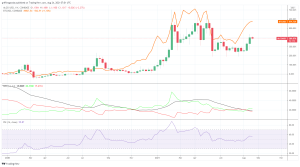
China’s biggest state-owned lenders stepped into the onshore FX market this week to purchase and retain U.S. dollars, moves aimed at tempering the yuan’s rapid appreciation rather than reversing it, according to a Reuters report citing people familiar with the matter. The intervention comes as USD/CNY dropped through 7.10 and briefly touched 7.06, its lowest level since October last year.
Authorities lean on state lenders as yuan outperforms
China’s state banks were seen buying dollars onshore and not immediately recycling those holdings back into the swap market—an atypical choice that can tighten dollar liquidity domestically. By holding the dollars rather than swapping them out, banks effectively lift the cost of maintaining long-CNY positions and discourage one-way appreciation bets.
One source cited by Reuters said the intention was to smooth the pace of the yuan’s advance, not to cap the uptrend outright. Year to date, the yuan has gained more than 3% against the greenback—the strongest annual rise since 2020—helped by calmer domestic sentiment and easing dollar momentum.
Mechanics: tighter dollar liquidity, higher carry costs
– Not recycling dollars via swaps can push up onshore dollar funding costs.
– Wider basis and pricier dollar funding tend to soften speculative demand for long-CNY exposure.
– The approach is consistent with China’s preference to lean against abrupt FX moves while preserving two-way flexibility.
Key market levels and tone
USD/CNY fell below the 7.10 threshold last week and nearly reached 7.06 this week before a modest rebound toward 7.07. Offshore USD/CNH tracked the move, with the CNH–CNY spread fluctuating as liquidity dynamics shifted. Traders remain focused on the PBOC’s daily fixing and any changes to counter-cyclical signals as proxies for the central bank’s comfort with the pace of appreciation.
Why it matters for FX and risk assets
A steadier yuan typically supports regional risk sentiment and can reduce imported inflation pressures. But authorities are sensitive to the impact a fast-rising currency can have on exporters and growth. By nudging funding costs and curbing one-way positioning, policymakers keep volatility contained and the policy mix flexible amid a still-fragile domestic recovery.
Key Points
- Reuters reports China’s state banks bought and held dollars onshore to slow the yuan’s rapid gains.
- Unusual decision not to recycle dollars in swaps tightens dollar liquidity and raises costs for long-CNY positions.
- Goal appears to be smoothing the pace of appreciation, not reversing the trend.
- USD/CNY fell below 7.10 and briefly touched 7.06, lowest since October last year, before edging back toward 7.07.
- The yuan is up over 3% year-to-date versus the dollar, the strongest annual rise since 2020.
Trading implications
– Watch the daily USD/CNY fixing and the CNH–CNY spread for policy signals and offshore-onshore divergence.
– Monitor swap points and onshore dollar funding; tighter liquidity could limit further rapid CNY gains.
– Key risk catalysts include U.S. data that shift the dollar’s path and China’s activity indicators that influence domestic sentiment.
– Option markets may reflect reduced demand for topside USD strikes if appreciation pressure persists but at a moderated pace.
FAQ
Why would Chinese state banks buy dollars when the yuan is strengthening?
They can slow the speed of appreciation by absorbing dollar supply. This helps stabilize FX conditions, discourages one-way bets, and protects exporters from a too-rapid currency move.
What’s the significance of not recycling dollars via the swap market?
Holding dollars instead of swapping them back tightens onshore dollar liquidity, raising funding costs and making long-yuan positions less attractive. It’s a subtle way to guide market behavior without explicit policy changes.
Is this direct central bank intervention?
State banks often act as proxies for policy objectives in China’s FX market. While the PBOC hasn’t commented, the pattern aligns with authorities’ preference to smooth volatility and manage the pace of moves.
What levels are important now for USD/CNY?
Traders are watching whether the pair holds below 7.10 and how it behaves around 7.06. Persistence below those areas would reinforce yuan strength; a bounce could signal authorities are comfortable with two-way price action.
How could this affect USD/CNH offshore?
Tighter onshore dollar conditions can widen or shift the CNH–CNY spread. Offshore pricing often follows onshore cues but can diverge when liquidity or positioning differs.
What does this mean for broader markets?
A controlled yuan rally tends to support Asian FX and risk appetite, but tighter dollar liquidity at home could cap the pace of gains. For global traders, the signal is that authorities favor orderly moves, which may dampen near-term FX volatility.
This article was produced by BPayNews for FX and macro-focused readers seeking actionable insight into China’s currency policy dynamics.