
China Reportedly Begins Easing Rare Earth Export Curbs But Unlikely to Fulfill US Promise
Key Takeaways
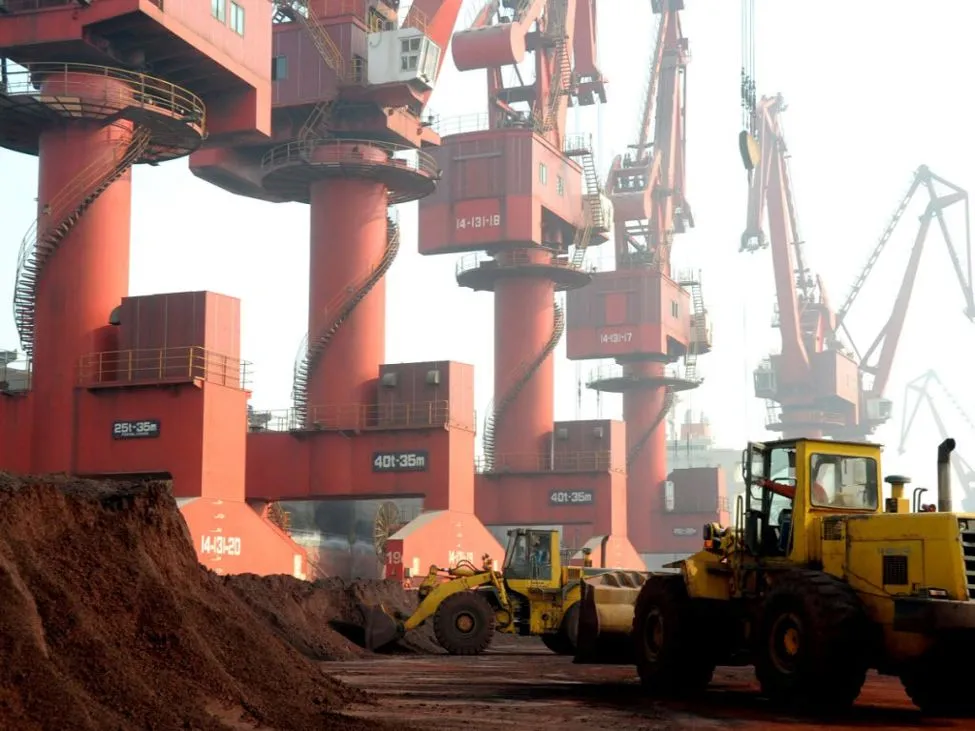
In a recent development, China has reportedly started to relax some of its stringent controls on the export of rare earth minerals—critical components essential to the manufacture of various high-tech products including magnets, electronics, and military equipment. Despite this move, there are doubts about China’s ability to meet its trade commitments with the United States, stemming from ongoing geopolitical tensions and differences in trade policies between the two economic giants.
China, which dominates the global supply of rare earths—controlling about 70% of the world’s production—has previously used export restrictions as an instrument of diplomatic leverage. The move to curb exports can be traced back to major disputes, notably during the 2010 spat with Japan over the Senkaku/Diaoyu Islands. The current easing appears to be an incremental step that China is employing to engage with the global market amid international pressure and incentives.
The magnitude of the impact of easing these restrictions is still under scrutiny. Although it might seem like a favorable shift aligning with global trade norms, insiders and trade analysts remain skeptical about the extent to which China will liberalize its rare earth exports. The skepticism mainly revolves around whether China will adjust its production quotas and export controls to a level that would fulfill the expectations laid out in the Phase 1 trade deal agreed upon by the U.S. and China in January 2020. Under this agreement, China pledged to make substantial additional purchases of American goods and services, which includes the potential for increased rare earth exports to the U.S.
The trade relationship between China and the U.S. has been characterized by mutual mistrust, with the rare earth elements (REE) sector being deeply entwined within broader security and industrial strategy concerns. Rare earths are vital for various sectors, especially for renewable energy technologies and advanced defense systems. The U.S. has often expressed concerns about over-reliance on China for crucial minerals, pushing towards developing domestic sources and diversifying imports.
China’s move to ease export curbs might be animated by several motivations, not least of which is the desire to alleviate international trade tensions and project a more cooperative stance. Also, with increased global demand for green and high-tech products amidst the global push for green energy transitions, maintaining a stronghold on the rare earth market is economically advantageous for China.
Further, it is also possible that China’s decision is influenced by the evolving landscape of the rare earth market itself, including new mining projects in other countries aimed at reducing the world’s reliance on Chinese rare ores. Such developments could potentially threaten China’s control over the market.
The economic implications of China relaxing its rare earth export policies are vast. For industries dependent on these elements outside of China, any increase in availability could reduce costs and ensure more stable supply chains. However, if China fails to follow through on its promised trade deal commitments, it could heighten tensions with the U.S., impacting not just the rare earth industry but broader international economic relations.
Observers and stakeholders in the global high-tech and defense sectors will keenly watch how China’s policies evolve in practice. The full ramifications on international trade, particularly the strategic industries in the U.S., remain to be seen. The world remains watchful if China’s recent policy adjustments mark a substantial change in export practices or a strategic maneuver amidst ongoing geopolitical rivalries.
Context
Current positioning around Regulation & Policy remains sensitive to primary-source updates, policy interpretation, and execution risk across major venues.
What To Watch
Key confirmation signals now include court filings, regulator statements, and any updated compliance guidance from the involved parties.
Market participants will monitor whether legal outcomes change exchange operations, token access, or disclosure standards in major jurisdictions.
Related: More from Regulation & Policy | BOJ Examines Tokenized Central Bank Money for Digital Yen in 2026 | Selig Clears Perpetual Futures Path with CFTC in Crypto Regulation