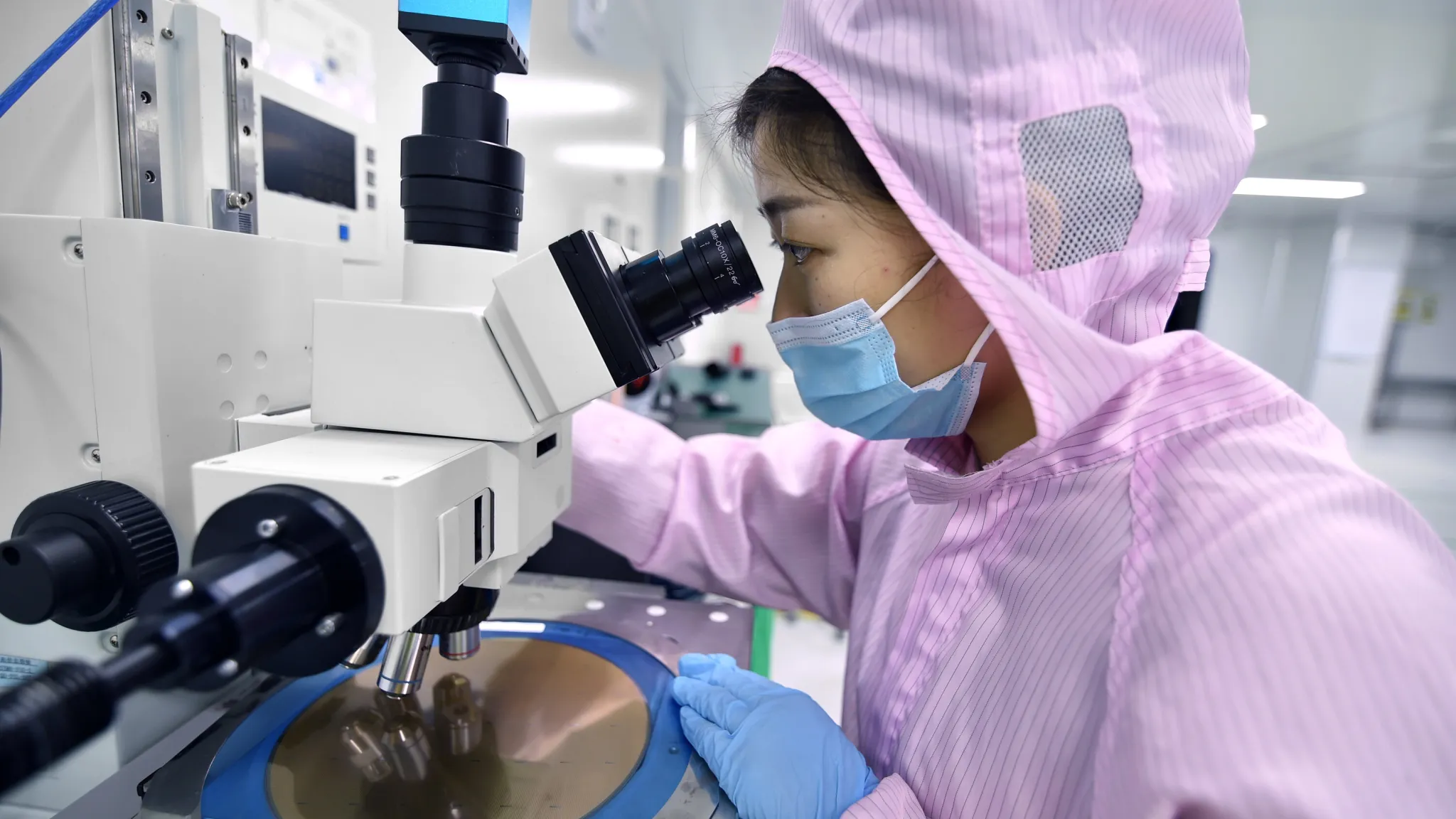

China Bans Foreign AI Chips in State-Funded Data Centers to Bolster Domestic Industry
Key Takeaways
In an assertive move to support its domestic technology sector, the Chinese government has recently announced a significant policy change: foreign artificial intelligence (AI) chips are now banned in state-funded data centers. This development signals China’s accelerated efforts to decrease dependency on foreign technology and foster its own semiconductor industry.
Background
China has long been a dominant player in global technology markets, but it has continued to rely heavily on imported semiconductors, particularly those specialized in AI applications. Semiconductors are crucial components in everything from smartphones and computers to AI and IoT (Internet of Things) devices. This reliance on foreign chips has been viewed by Beijing as a vulnerability in its technological and national security landscape, especially amidst growing international tensions and trade disputes.
Policy Implications
The prohibition of foreign AI chips in state-funded data centers is a strategic maneuver aimed at accelerating the development of indigenous capabilities in semiconductor production. The policy specifically targets facilities that receive government funding, which includes a significant portion of China’s extensive data center infrastructure. This infrastructure is crucial for advancements in big data, cloud computing, and AI.
By implementing this ban, China aims to catalyze its domestic industries to innovate and produce competitive AI chips that can ultimately reduce the country’s dependence on imports. This shift is anticipated to have ripple effects throughout the global tech landscape, possibly influencing market dynamics and trade patterns related to technology hardware.
Impact on Global Markets
The ramifications of this policy extend beyond China’s borders. International semiconductor giants like NVIDIA, Intel, and AMD have previously enjoyed robust sales in the Chinese market, supplying high-performance chips to power complex AI algorithms. The exclusion from this significant market could rearrange their sales outlook and might prompt a reevaluation of global supply chains and partnership strategies.
Moreover, this move could accelerate similar policies in other nations, prompting a reevaluation of how countries handle technological imports and exports, especially concerning critical and emerging technologies.
Domestic Industry and Future Challenges
While the potential benefits of this policy are substantial for China’s domestic tech sector, there are considerable challenges ahead. Chinese firms like SMIC, Huawei, and Alibaba, which have been developing AI chips, are still generally considered behind their Western counterparts in terms of technology and production capacities. The ban might spur innovation, but achieving self-sufficiency in semiconductor production is complex, requiring not just expertise but also massive capital investment and time.
Conclusion
China’s decision to ban foreign AI chips in state-funded data centers is a bold step towards technological self-sufficiency but comes with its set of challenges and implications. It underscores the broader geopolitical trend of technological nationalism, where countries prioritize domestic capabilities over global cooperation. As China pushes forward with this initiative, the global tech community must adjust to a potentially fractured landscape with varying technology standards and increased competition.
Only time will tell how effective China’s push for semiconductor autonomy will be and what it means for the global technological ecosystem. Meanwhile, companies and countries alike must navigate this new terrain of heightened technological sovereignty with strategic care.
Related: More from Market Analysis | Middle East Tensions Lift CRCL Shares Amid Rate in Crypto Market | Dollar Rise Weighs on Cryptos, Gold in Crypto Market