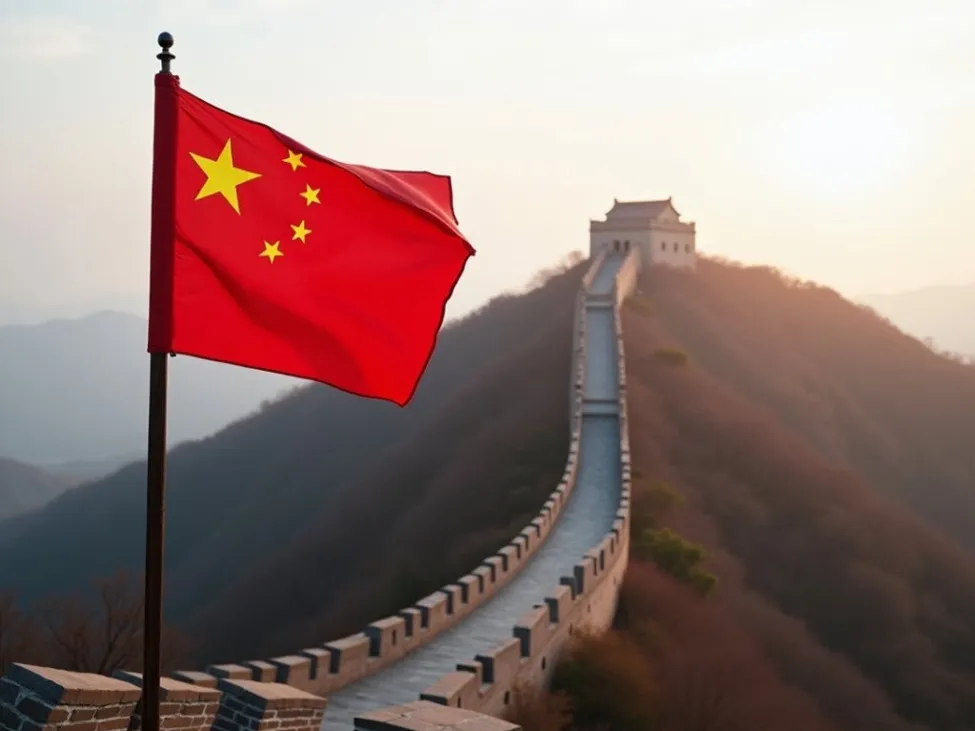

China advisers push to keep 2026 GDP target near 5% as policy meeting looms Beijing is leaning toward setting a 2026 growth target of around 5%, signalling continued policy support as officials prepare for the year’s most important economic planning meeting—an outcome with implications for the yuan, commodities and broader risk sentiment.
Advisers coalesce around 5% target
Most Chinese government advisers favor an “around 5%” GDP growth goal for 2026, broadly in line with this year’s target, according to a Reuters report citing people close to the discussions. A smaller group prefers a slightly lower 4.5%–5.0% range, reflecting lingering concerns over property-sector stress and subdued private demand. China’s top leadership will debate the outlook and calibrate the policy mix at the Central Economic Work Conference later this month, with the formal 2026 target set to be unveiled at the National People’s Congress in March. One adviser told Reuters there is scope to maneuver using both fiscal and monetary tools to meet the goal, even as headwinds persist.
Market implications: FX, equities, commodities
A maintained 5% objective keeps the bar relatively high and suggests Beijing will lean on additional support measures to sustain momentum into the first year of the 15th Five-Year Plan (2026–2030). For markets:
- FX: A firm growth signal may temper pressure on the yuan (onshore CNY and offshore CNH), especially if paired with stronger policy guidance from the PBOC. High-frequency moves will hinge on how the CEWC frames fiscal spending and liquidity conditions.
- Equities: Pro-cyclical sectors and China-sensitive indices (Hang Seng, CSI 300) could benefit if investors read the target as a mandate for more stimulus and property stabilization.
- Commodities: Iron ore and copper—along with China-linked FX such as AUD—tend to respond positively to credible growth commitments and infrastructure-heavy policy mixes.
- Rates: If the growth bar is maintained, expectations for additional reserve requirement cuts, targeted lending and expanded local government bond issuance may rise, keeping front-end rates anchored and supporting risk appetite.
Policy playbook: what to watch
–
Fiscal:
Possible expansion of special local government bond quotas, targeted infrastructure outlays, and measures to steady local government financing vehicles without triggering systemic risk. –
Monetary:
Room for further RRR reductions, structural relending, and guidance to keep interbank liquidity ample. Rate cuts remain a possibility but are constrained by currency considerations and bank margin pressures. –
Property:
Follow-through on inventory absorption, funding channels for developers’ “white list” projects, and easing of purchase restrictions in more cities could determine how realistic a 5% target is.
Risks and credibility questions
The ability to deliver near-5% growth will be tested by soft external demand, ongoing US–China trade tensions, demographic drags, and a still-fragile housing market. Investors will scrutinize the specificity and scale of stimulus rather than the headline target alone. Sustained improvements in private-sector confidence and household income growth remain critical for durable gains.
Key Points
- Most advisers support a 2026 GDP growth target of around 5%; a minority favors 4.5%–5.0%.
- Central Economic Work Conference later this month will shape the policy mix; formal target due at March NPC.
- A 5% goal implies continued fiscal and monetary support to offset property and demand headwinds.
- Yuan, China-sensitive equities, and industrial commodities could react to stronger policy signals.
- Execution risks include trade tensions, weak private investment, and local government balance-sheet strains.
Timeline and next catalysts
–
December:
Central Economic Work Conference sets priorities and guidance. –
Q1 2026:
Data on credit, investment and property sales will test policy traction. –
March:
National People’s Congress announces the official 2026 GDP target and key budget parameters. Only one mention: BPayNews will monitor the CEWC readout for clues on the size and pace of stimulus, which will be critical for FX and commodity positioning into year-end and early 2026.
FAQ
What is the Central Economic Work Conference?
It is China’s annual year-end policy meeting where top leaders set the economic agenda and priorities for the coming year, including guidance on fiscal and monetary stance.
When will China confirm the 2026 GDP growth target?
The headline target is expected to be formally announced at the National People’s Congress in March, after broad direction is set at the CEWC.
How could a 5% target affect the yuan?
If paired with credible stimulus and stable capital flows, a firm 5% target could support the yuan by improving growth expectations. The currency’s path will also depend on global dollar trends and PBOC policy signals.
Which assets are most sensitive to China’s growth target?
Offshore CNH, Australian dollar, industrial metals like copper and iron ore, and China-related equity indices (e.g., Hang Seng, CSI 300) typically react to changes in China’s policy stance and growth signals.
What policy tools might Beijing deploy to meet the goal?
Potential measures include larger local government bond issuance for infrastructure, targeted property support, reserve requirement cuts, structural relending, and steps to bolster private-sector confidence.
What are the main risks to achieving near-5% growth?
Persistent property-sector weakness, subdued household consumption, external demand softness, elevated local government debt, and US–China trade frictions could all challenge the attainment of a 5% target.
Related: More from Regulation & Policy | Anthropic Founder Critiques Pentagons Choice as Unprecedented in Crypto Regulation | UK Gambling Regulator Examines Cryptocurrencies for Licensed Bettors in Crypto Regulation