

Chicago Fed unemployment tracker edges down to 4.44% as data gap forces model tweak

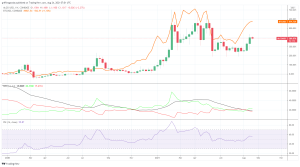
A real-time gauge from the Chicago Fed points to a marginally lower U.S. unemployment rate of 4.44% for November, down from 4.46% in October, even as its probability distribution skews toward higher jobless readings—an uneasy signal for rates, the dollar and risk appetite.
Real-time signal shows softer headline, hawkish skew underneath
The Chicago Fed’s unemployment tracker—designed to provide a near-term read on labor market conditions—slipped to 4.44% in November. Beneath the modest improvement, the model’s probability distribution is tilted to the upside, indicating rising odds of higher unemployment in coming months.
The Fed bank noted it made a one-off adjustment after the Bureau of Labor Statistics’ October non-farm payrolls release, scheduled for November 7, was canceled. That gap forced the model to compensate for missing inputs when estimating November 2025 unemployment probabilities.
Why it matters for FX and rates
For markets, the mix of a slightly lower point estimate and a higher-tilt risk profile is nuanced:
- A softer headline read can temper immediate concerns about abrupt labor deterioration, marginally supportive for risk sentiment.
- The skew toward higher future unemployment preserves downside growth risks, keeping Treasury bulls engaged and capping aggressive USD rallies.
- Given thin data and holiday liquidity conditions, FX volatility may remain contained, with traders focusing on second-tier labor indicators and weekly claims for confirmation.
Key points
- Chicago Fed unemployment tracker: 4.44% (November) vs 4.46% (October).
- Model adjusted due to the canceled November 7 BLS non-farm payrolls release for October.
- Probability distribution is tilted higher, signaling increased risk of a rising jobless rate ahead.
- Implications for markets: mixed—slightly softer headline vs. more uncertain forward path.
- Focus now shifts to high-frequency labor data and next scheduled official jobs releases.
Market context and trading takeaways
With the official NFP absent, investors are leaning on alternative trackers to triangulate labor momentum. A 4.44% print aligns with a gradual cooling narrative rather than a sharp downturn. For FX, that often translates into range-bound USD trading near key DXY levels, while rate markets may price a cautious glide path for policy easing if upcoming inflation prints continue to moderate. Equity futures typically favor soft-landing signals, but the higher-tilt distribution tempers exuberance.
For positioning, traders may look to fade extremes in USD on data-light days, keep duration bias selective in the belly of the curve, and watch beta FX (AUD, NZD, SEK) for sensitivity to shifts in labor sentiment. As always, confirmation from claims, JOLTS, and forthcoming CPI will be critical before repricing the Fed path.
FAQ
What is the Chicago Fed unemployment tracker?
It’s a real-time model that estimates the U.S. unemployment rate before official BLS releases, aggregating multiple labor indicators to provide a near-term view of labor market conditions.
Why was an adjustment needed this month?
The Bureau of Labor Statistics’ October non-farm payrolls release, scheduled for November 7, was canceled. The Chicago Fed adjusted its methodology to account for the missing inputs when estimating November 2025 probabilities.
Does a 4.44% reading mean the labor market is improving?
Headline-wise, it’s a slight improvement from 4.46%. However, the model’s probability distribution is tilted higher, suggesting increased risk that unemployment could rise in the months ahead.
How could this affect the U.S. dollar and Treasury yields?
A marginally lower unemployment estimate can ease immediate growth fears, modestly weighing on the dollar and supporting equities. But the higher-tilt risk profile may support Treasuries and keep USD downside limited until more data confirm the trend.
What should traders watch next?
Weekly jobless claims, JOLTS openings, and the next CPI print for confirmation of labor cooling without stoking recession risks. These will help refine expectations for the Fed’s rate path and guide FX and rates positioning, BPayNews reports.