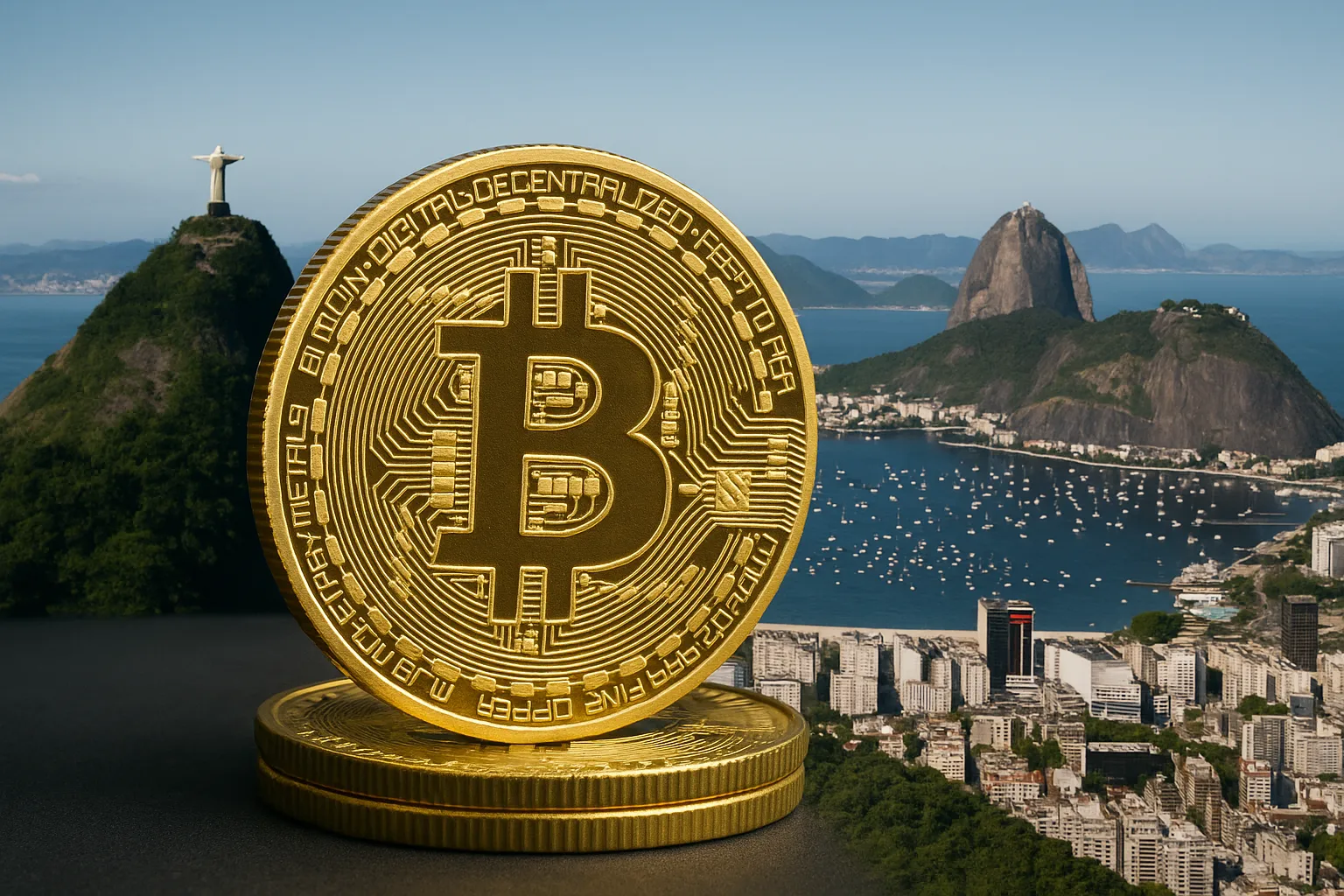

Brazil Explores Bitcoin Reserves as Central Bankers Meet in Rio – CoinJournal
As central bankers from around the world gathered for a major conference in Rio de Janeiro this week, a surprising topic found its way onto the agenda—Bitcoin. In a significant shift reflecting the growing interest in cryptocurrencies globally, Brazil hinted at exploring the inclusion of Bitcoin into its national reserves.
Key Takeaways
The conference, hosted annually by Brazil’s Central Bank, aimed to address standard issues like monetary policy, inflation control, and economic forecasts. However, the discussions took a futuristic turn with sessions dedicated to the role of digital currencies in the global financial system.
The Case for Bitcoin in Brazil's Reserves
Brazil, Latin America’s largest economy, has been at the forefront of cryptocurrency adoption, driven by high inflation rates and a generally tech-savvy population. With the Brazilian Central Bank’s recent discussions, the nation appears to be considering an even more audacious step: diversifying part of its national reserves into Bitcoin.
Experts argue that incorporating Bitcoin can provide several benefits to Brazil:
-
Diversification: Bitcoin provides a non-sovereign asset component to Brazil’s reserves, potentially reducing dependence on traditional assets like U.S. Treasury bonds.
-
Inflation Hedge: With its capped supply of 21 million coins, Bitcoin is viewed by some as a hedge against inflation, a pertinent issue for Brazil.
- Technological Leadership: This move could position Brazil as a leader in the digital economy, fostering innovation and potentially attracting foreign investment.
Challenges and Concerns
Despite the potential benefits, the move prompts considerable skepticism and concern:
-
Volatility: Bitcoin’s price volatility poses a significant risk for reserve management, potentially leading to substantial value fluctuations.
-
Regulatory Hurdles: There are also legal and regulatory implications of adopting a decentralized cryptocurrency as a reserve asset.
- Security Risks: The issues of cybersecurity and the safekeeping of digital assets cannot be overlooked.
Global Context
Brazil is not alone in its cautious yet curious approach toward cryptocurrencies. Central banks worldwide, including those in Switzerland, Singapore, and Canada, are exploring the dynamics of digital currencies and their possible integration into national financial strategies.
As Bitcoin and other digital assets continue to challenge traditional financial paradigies, the conversations at central banking forums are progressively evolving. This shift reflects a broader recognition of the potential benefits and risks associated with cryptocurrencies.
Future Prospects
While the discussions in Rio do not guarantee that Brazil will proceed with acquiring Bitcoin for its national reserves, they represent a pivotal moment in the potential integration of cryptocurrencies into mainstream finance. Central banks worldwide will be watching Brazil’s exploration into Bitcoin closely, possibly setting a precursor for others to follow.
The outcome of Brazil’s deliberative processes will likely bear significant implications for the global financial landscape. Whether or not Brazil decides to add Bitcoin to its reserves, the fact that such discussions are occurring at the highest levels of financial policy-making is itself emblematic of the evolving nature of global finance in the age of digital currencies.
Conclusion
As the conference in Rio concluded, the global financial community was left with much to ponder. Brazil’s flirtation with Bitcoin reserves underscores the complex interplay between innovation and prudence, a balance that central bankers around the world are striving to achieve as they navigate the murky waters of digital currencies.
As we move forward, the decisions made by Brazil could serve as a benchmark, either warning against premature adoption of digital assets or paving the way for a new financial paradigm. Regardless, the discussions from Rio are set to spark further interest and debate in the possibilities that Bitcoin and other cryptocurrencies hold for national and global economies.
Related: More from Bitcoin News | BTC Surges Above $71K Amidst Middle East Tensions in Bitcoin | Bitcoin ETF Inflows Fail to Boost Price: Analyst Explains Why