



Browsing: Ethereum News
Ethereum News tracks ETH price drivers, network activity, staking dynamics, and ecosystem-level adoption signals.
Coverage emphasizes changes that can affect liquidity, valuation narratives, and near-term market structure.
Related Hubs: Market Analysis | DeFi & Stablecoins | Regulation & Policy
FAQ
Do you cover staking and validator trends?
Yes. Staking conditions and validator-related changes are covered when they matter for ETH dynamics.
Is Layer 2 activity included?
Yes. Relevant Layer 2 growth, usage, and strategic ecosystem shifts are included in major updates.
How should I read ETH updates with market risk?
Pair this hub with Market Analysis for structure and with Regulation & Policy for policy-side risks.
Related Hubs: Market Analysis | DeFi & Stablecoins | Regulation & Policy
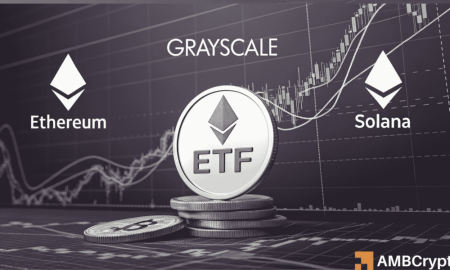
The Grayscale Ethereum Staking ETF is making headlines as it becomes the first U.S.spot crypto ETP to distribute staking rewards to shareholders.
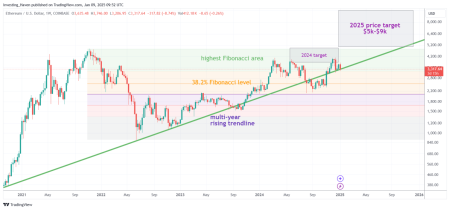
When discussing Ethereum price prediction, the recent insights from financial experts are hard to ignore.Notably, Tom Lee has projected that Ethereum could soar to an astonishing $250,000, bringing considerable attention to the cryptocurrency market.
The recent Starknet outage has raised concerns among users who rely on this blockchain for seamless transactions and decentralized applications.As the Starknet status update reveals, the team is currently addressing the issues causing this significant downtime.
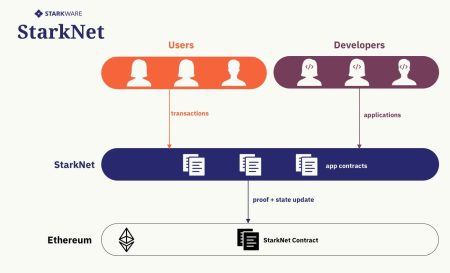
Starknet Downtime has once again thrown a wrench in the operations of this prominent Ethereum ZK-rollup network, which has already faced its share of Starknet outages this year.Following a series of interruptions that began in 2025, the latest incident has brought the mainnet to a halt for over two hours, raising concerns about its reliability within the decentralized finance (DeFi) space.
Ethereum scalability is at the forefront of discussions regarding the future of blockchain technology, as Ethereum co-founder Vitalik Buterin emphasizes its critical role in transforming the network into a robust “world computer.” As we approach 2025, major improvements, such as the mainnet activation of PeerDAS and advancements in ZK-EVM technology, promise to revolutionize how we perceive decentralized networks.These upgrades not only solve the longstanding scalability trilemma but also align with Ethereum’s roadmap towards enhanced performance and greater user access.
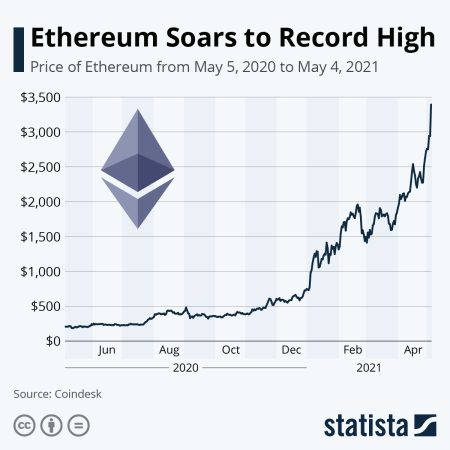
In recent weeks, Ethereum price growth has captured the attention of investors as it rallies towards the $3,500 target, reflecting a positive sentiment across the cryptocurrency market.The Ethereum network’s impressive milestones, particularly the staggering $8 trillion in stablecoin transfer volume, signal robust activity within this blockchain ecosystem.

Ethereum holdings have become a focal point for investors, especially with substantial movements in the cryptocurrency market.Recently, a notable institution known as 7 Siblings has been actively engaged in ETH accumulation, strategically amassing 252,000 ETH, which currently exceeds an impressive total ETH value of 800 million USD.
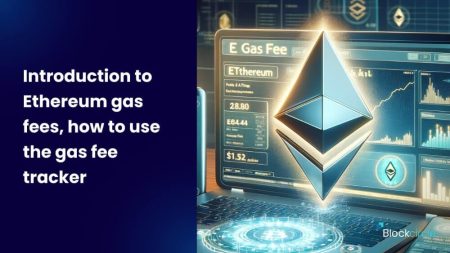
Ethereum Gas fees have become a hot topic in the blockchain community, especially now that they have dropped to their lowest levels since the Ethereum mainnet launch.As users flock to the network, these transaction fees have recently broken records, providing an exciting opportunity for both new and seasoned investors.
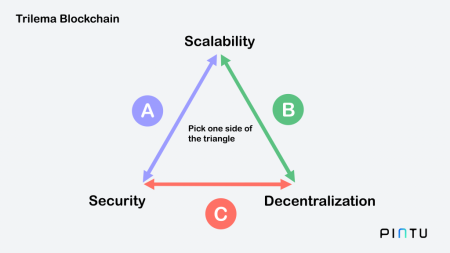
The Ethereum blockchain trilemma has become a central topic of discussion in the crypto community, particularly with the advancements highlighted by co-founder Vitalik Buterin.In a recent statement, Buterin revealed that Ethereum has the potential to address this challenge through the implementation of PeerDAS and ZK-EVM innovations.
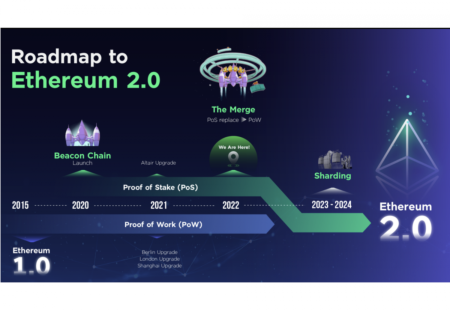
Ethereum upgrades are crucial stepping stones towards addressing the infamous “blockchain trilemma,” a challenge that balances decentralization, security, and scalability within the blockchain ecosystem.Vitalik Buterin, one of Ethereum’s co-founders, highlighted two groundbreaking innovations: PeerDAS and ZK-EVM.