



Browsing: DeFi & Stablecoins
DeFi & Stablecoins covers protocol-level updates, stablecoin flows, yield mechanics, and liquidity shifts across on-chain markets.
This hub tracks risks and opportunities tied to collateral quality, peg dynamics, and smart contract exposure.
Related Hubs: Market Analysis | Security & Hacks | Regulation & Policy
FAQ
Do you track stablecoin depeg risk?
Yes. Depeg signals, reserve concerns, and liquidity stress events are monitored closely.
Are protocol exploits included here?
Major incidents appear here and in Security & Hacks when they have broad DeFi relevance.
How should this hub be combined for context?
Pair with Market Analysis for structure and with Regulation & Policy for compliance-related effects.
Related Hubs: Market Analysis | Security & Hacks | Regulation & Policy
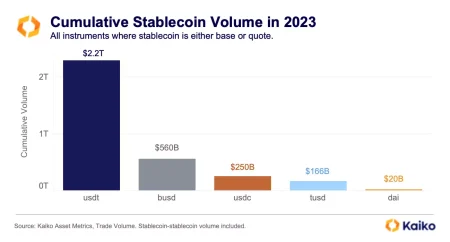
In 2025, stablecoin trading volume reached a staggering $33 trillion, setting a new historical record that reflects the explosive growth of digital currencies.According to a report by Bloomberg, the global trading volume for these cryptocurrencies surged by 72% year-on-year, fueled by a pro-crypto policy environment that has facilitated greater adoption.
Stablecoins are rapidly changing the landscape of cryptocurrency access, offering a reliable bridge between the digital currency world and traditional finance.As Brian Armstrong, CEO of Coinbase, highlighted, stablecoins can play a pivotal role in enhancing financial inclusion, especially for the 96% of the global population who live outside the United States.
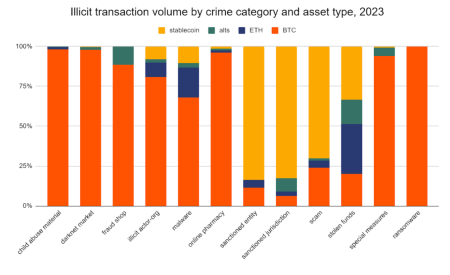
Stablecoins and criminal activities have emerged as a concerning trend in the evolving landscape of digital finance.As these cryptocurrencies gain traction for their reliability and ease of use, they are increasingly being adopted by illicit networks operating on the dark web.
Open Money Stack represents a groundbreaking innovation from Polygon Labs, aimed at revolutionizing stablecoin payments and enhancing cross-border transactions.This advanced modular framework is set to streamline financial operations for institutions and fintech companies alike, enabling seamless blockchain integration and offering customizable solutions.

SOL Strategies has recently made headlines with the impressive growth of its holdings, now totaling approximately 523,000 SOL tokens.As a leader in the Solana treasury ecosystem, the company also reported earning around 925 SOL in staking rewards just last December.
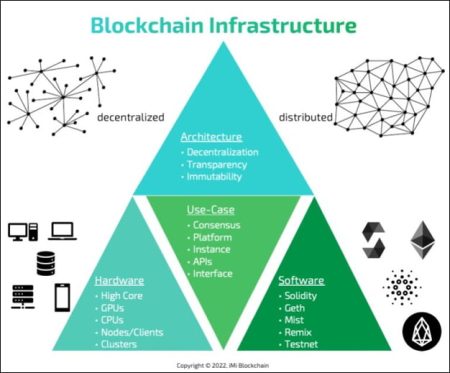
Blockchain infrastructure is at the forefront of financial innovation, providing the needed backbone for modern transaction systems.As banks navigate the complexities of digital finance, upgrading their blockchain infrastructure from private to public layers becomes crucial.

Cryptocurrency in luxury real estate is rapidly reshaping how high-end properties are bought and sold.Recent findings from a Sotheby’s report reveal that more affluent individuals are turning to digital currencies for luxury home purchases, significantly affecting the luxury real estate market.

The USD1 stablecoin is making waves in the financial landscape as World Liberty Financial, a firm associated with the Trump family, seeks a trust bank charter from the Office of the Comptroller of the Currency (OCC).Designed to operate under strict regulatory oversight, this stablecoin has quickly gained traction, achieving over $3.3 billion in circulation just one year post-launch.

Wyoming stablecoin, officially known as the Frontier Stable Token (FRNT), has made headlines as the first stablecoin created and backed by a US state government.This innovative dollar-pegged token is fully supported by cash and Treasury securities, which are expertly managed by Franklin Templeton.

The USD1 stablecoin is at the forefront of a significant evolution in the cryptocurrency banking landscape, as World Liberty Financial, led by the Trump family, seeks to obtain a banking charter to streamline its operations.This move intends to enhance the usability of USD1 among financial institutions and facilitate cross-border payments, making transactions simpler and more efficient.