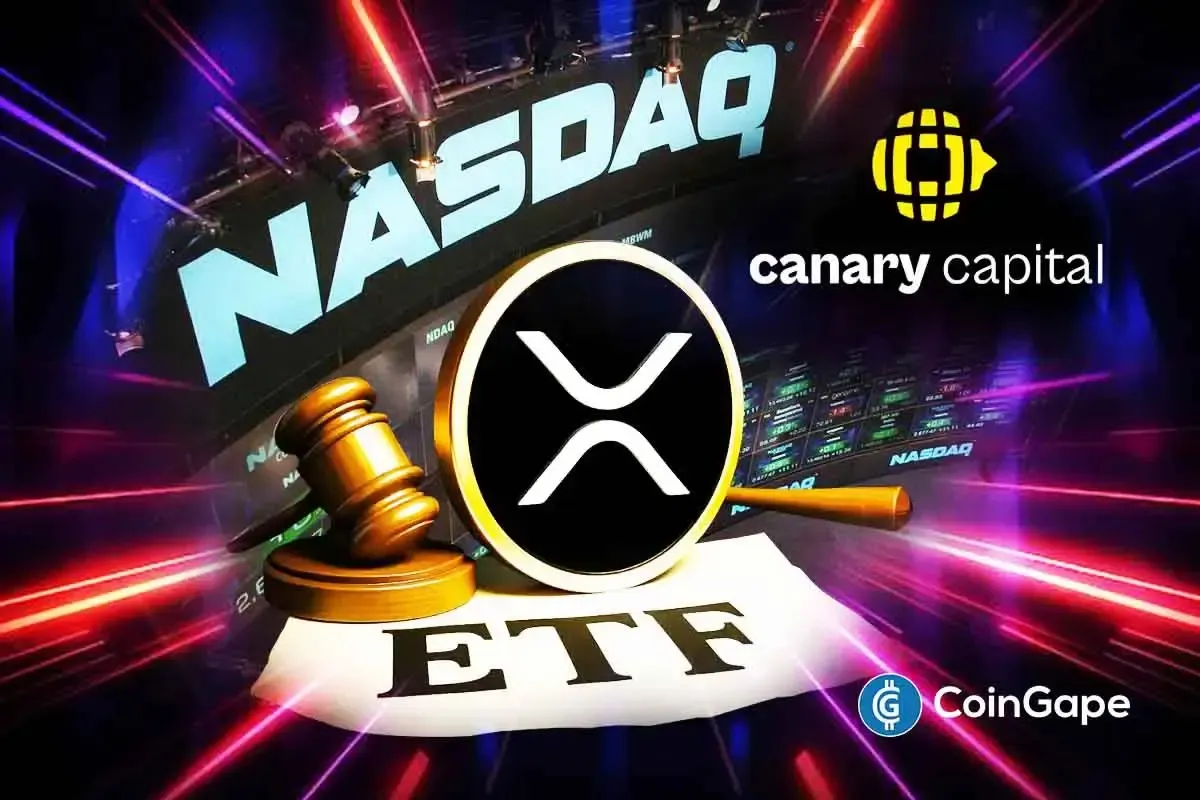

Title: Nasdaq Certifies XRP ETF as Canary Capital Prepares to Enter Crypto Fund Arena
Key Takeaways
In a significant move for the cryptocurrency sector, the Nasdaq stock exchange has certified an Exchange-Traded Fund (ETF) based on Ripple’s XRP, paving the way for a broader institutional embrace of crypto assets. This certification highlights a growing trend of acceptance and potential integration of cryptocurrencies within traditional financial frameworks. CoinJournal, a respected authority in the crypto industry, reports that Canary Capital is also gearing up to enter the crypto fund arena, indicating a rising interest from established financial entities in digital currencies.
Nasdaq's Certification of XRP ETF
The Nasdaq, a global electronic marketplace for buying and selling securities, has officially certified the XRP ETF, marking a milestone for Ripple and its much-discussed token. This certification doesn’t just underscore the legitimacy of XRP; it also positions the ETF to attract investors who are looking for ways to engage with cryptocurrencies through traditional investment vehicles. By providing a regulated path for investment, the ETF can potentially draw in substantial capital from investors who previously might have been wary of the legal uncertainties surrounding digital assets.
The XRP ETF approval comes at a time when the debate around the regulatory status of cryptocurrencies remains intense. Ripple itself has been at the center of a legal battle with the U.S. Securities and Exchange Commission (SEC), making the Nasdaq’s certification a significant win for the company and its proponents. This move by Nasdaq could also signal a more favorable regulatory environment for cryptocurrencies in the future.
Canary Capital Steps into Cryptocurrency
Canary Capital, known for its ventures in various asset classes, is making a strategic entrance into the cryptocurrency space. Recognizing the expansion and maturity of the crypto market, Canary Capital is setting up its own cryptocurrency fund. This move signifies a shift in perception from traditional financial institutions, which have been historically skeptical of digital currencies due to their volatility and regulatory uncertainties.
By preparing to launch a crypto fund, Canary Capital is not only diversifying its portfolio but also positioning itself as a forward-thinking firm that adapts to emerging technologies and market trends. The advent of Canary Capital in the cryptocurrency realm could encourage other institutional investors to explore the potential of digital assets.
Implications for the Cryptocurrency Market
The certification of the XRP ETF by Nasdaq, coupled with Canary Capital’s entry into the crypto market, could have profound implications for the cryptocurrency industry. Firstly, these developments might catalyze further institutional adoption of cryptocurrencies, thereby increasing both market stability and liquidity. Furthermore, they could lead to enhanced regulatory clarity as more established players join the sector and push for a more defined legal framework.
Moreover, for everyday investors, the availability of a cryptocurrency ETF on a major exchange like Nasdaq provides an easier and potentially safer avenue to invest in digital assets. Instead of dealing with the complexities of cryptocurrency exchanges and wallets, investors can now participate in the crypto market through a format they are familiar with.
Looking Ahead
As we look to the future, the intersection of traditional financial markets with cryptocurrencies promises to unlock new opportunities for investors. However, it also poses regulatory and market challenges that will need to be navigated carefully. For now, the certification of an XRP ETF by Nasdaq and Canary Capital’s upcoming crypto fund are key developments that are likely to influence the direction of cryptocurrency investment strategies.
With these moves, the stage is set for a transformation in the relationship between the digital asset ecosystem and the broader financial landscape. As traditional and digital finance continue to converge, the potential for innovation and growth in both sectors appears limitless.
Related: More from Altcoin News | XRP Drops Further: Exchanges See Increased Funding流入 in Altcoin | XRPs Value Falls Amidst XRPL Adoption Surge in Altcoin