
Title: The $308 Billion Question: Can Stablecoins Thrive Amid China’s Ban?
Key Takeaways
In recent years, the rapid growth and popularity of stablecoins have sparked both intrigue and concern among global regulators. Stablecoins, which are cryptocurrencies designed to maintain a stable value by being pegged to a reserve asset such as the U.S. dollar or gold, have become a cornerstone in the world of digital finance. Their total market cap has soared, reportedly reaching around $308 billion. However, the decision by major economies, notably China, to ban cryptocurrency transactions poses a significant challenge to the stability and future growth of stablecoins. This article delves into whether stablecoins can continue to thrive and expand their influence amid such stringent regulatory environments.
Background: The Rise of Stablecoins
Unlike their more volatile counterparts like Bitcoin and Ethereum, stablecoins offer users the best of both worlds: the instant processing and security of cryptocurrency transactions and the stable valuations of fiat currencies. This has made them particularly useful for payments, remittances, and as a safe haven during periods of high volatility in the crypto markets. Key players in the market include Tether (USDT), USD Coin (USDC), and Binance USD (BUSD), which together dominate a significant portion of the stablecoin space.
China’s Crypto Ban and Its Implications
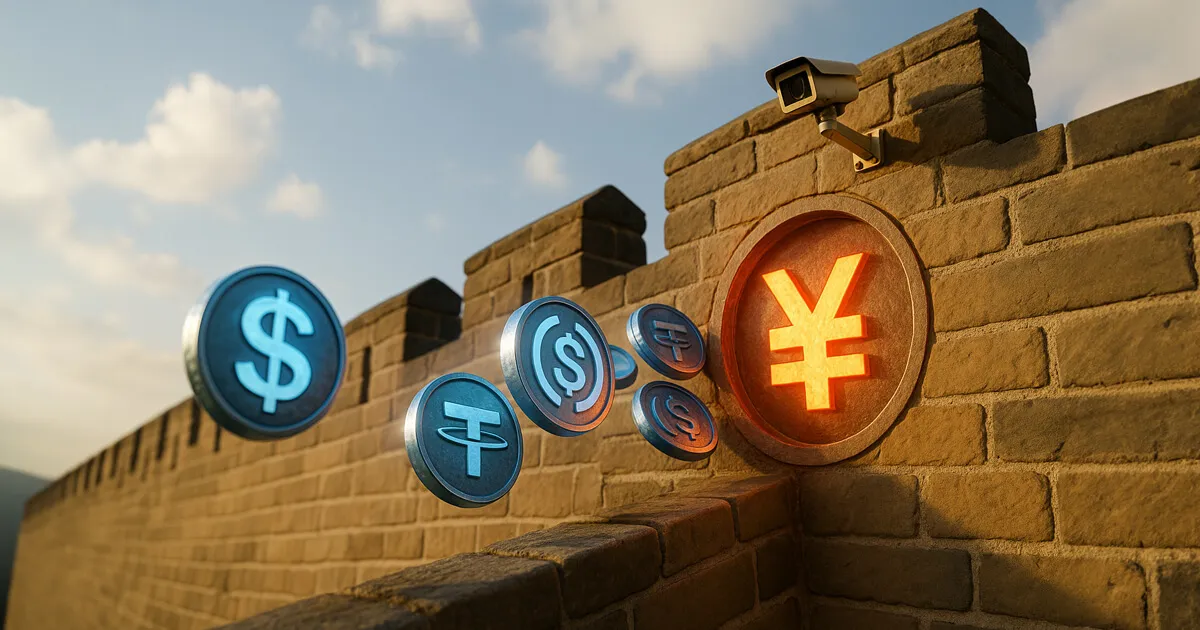
In 2021, China took a definitive stance against cryptocurrencies by announcing a comprehensive ban on all crypto transactions and mining, citing financial risks and increased speculative trading as its primary concerns. This move sent shockwaves through the cryptocurrency world, leading to plummeting prices and heightened uncertainty. For stablecoins, the Chinese ban cuts off a major market, reducing the volume of transactions and potentially stunting growth.
Challenges and Opportunities for Stablecoins
The Chinese ban presents a complex array of challenges for stablecoin issuers and users. Firstly, the absence of access to one of the world’s largest markets limits the potential user base and the scalability of these digital assets. Secondly, such regulatory actions could set a precedent for other countries, potentially leading to more stringent regulations globally.
However, adversity often breeds innovation. The ban could potentially catalyze the development and adoption of stablecoins in other regions. Countries with unstable currencies and weaker financial systems may see an increased appeal in stablecoins as an alternative to traditional banking. Moreover, stablecoins could pivot towards enhancing compliance with international regulatory standards, thus fostering greater trust and broader acceptance among cautious regulators.
Technological and Regulatory Evolution
For stablecoins to continue thriving, significant technological and regulatory evolution is imperative. On the technological front, enhancing transparency and security mechanisms to prevent fraud and ensure the integrity of the peg to the underlying asset is crucial. Regarding regulation, stablecoin issuaries must proactively engage with financial authorities worldwide to frame a set of practices that protect consumers while fostering innovation.
Conclusion: The Future of Stablecoins Amid Regulatory Hurdles
While China’s ban represents a significant hurdle, the intrinsic benefits of stablecoins—stability, efficiency, and cost-effectiveness—offer a strong value proposition that could drive their continued adoption globally. The future will likely see stablecoins evolving to meet both the market demands and the complex tapestry of international regulation. Whether stablecoins can indeed thrive in such an environment will depend significantly on the crypto community’s ability to innovate and adapt to an increasingly scrutinized regulatory landscape.
Ultimately, despite the immediate challenges posed by the Chinese ban, the journey of stablecoins is far from over. If anything, this could mark the beginning of a new chapter wherein stablecoins might emerge stronger, more resilient, and more integral to the financial ecosystems around the world.
Related: More from DeFi & Stablecoins | Ripple Firm Handles Over $100M Stablecoin Volumes | JP Morgans Dimon: Stablecoin Issuers Paying Interest Should Be Regulated as Banks