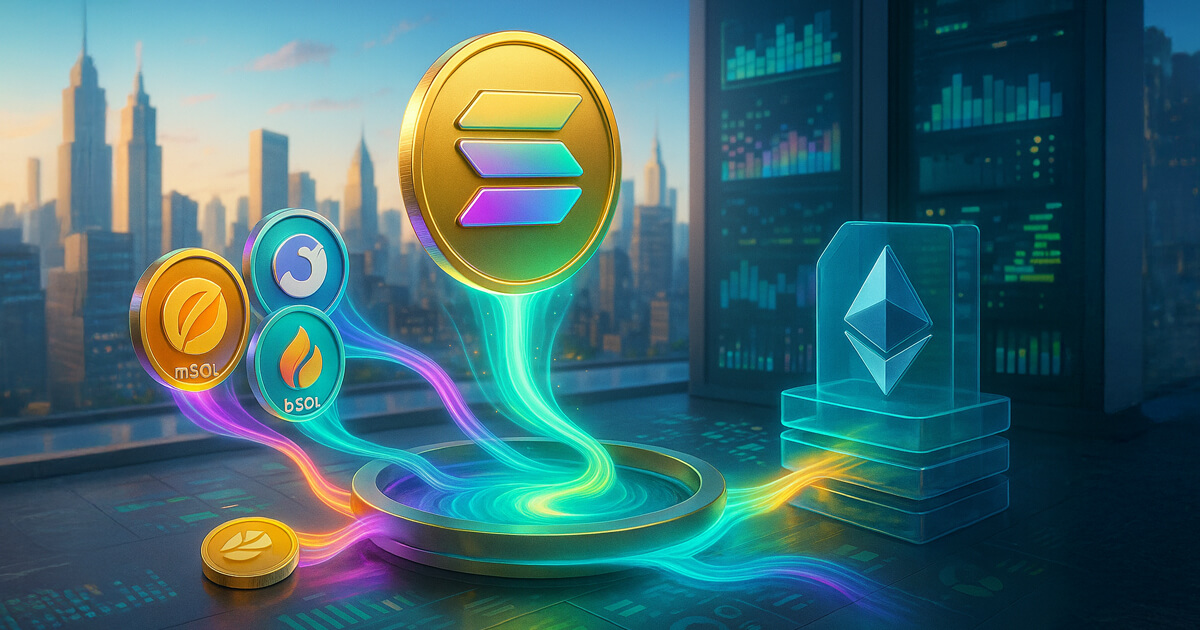

Title: Can Solana’s $11.6 Billion Staking Overhaul Draw Liquidity Away from Competing Blockchains?

Introduction:
In the rapidly evolving world of blockchain technology, staking mechanisms play a crucial role in network security and user engagement. As blockchains vie for dominance, Solana, a prominent player known for its high-speed transactions, has initiated an ambitious $11.6 billion overhaul of its staking process. This strategic shift aims not only to enhance its own ecosystem but also to potentially attract liquidity from other blockchains. This article explores the implications of Solana’s revamped staking system and analyzes whether it could indeed divert liquidity from competitors like Ethereum, Binance Smart Chain, and others.
Understanding Solana’s Staking Overhaul:
Solana’s new staking strategy focuses on improving security, scalability, and decentralization. By redesigning the staking mechanics, the platform intends to provide greater incentives for token holders to participate in the network’s security through staking. Increased staking rewards, improved staking options, and more accessible participation avenues are at the heart of this overhaul. This could potentially increase the attractiveness of Solana as a staking destination, leveraging its already impressive transaction speeds and expanding its user base.
The Competitive Landscape:
The blockchain ecosystem is intensely competitive, with platforms continuously upgrading to capture more developers and users. Ethereum, with its recent shift to Ethereum 2.0 and the introduction of staking through the Beacon Chain, has set a high standard for staking solutions. Similarly, Binance Smart Chain and others offer competitive yields and growing ecosystems that appeal to liquidity providers and stakers.
Potential to Draw Liquidity:
The key question remains – can Solana’s revamped staking mechanism draw liquidity away from these established players? Several factors come into play here:
- Rewards and Incentives: If Solana can offer significantly higher staking rewards compared to its competitors, it could tempt investors seeking higher returns. The overhaul’s focus on lucrative staking opportunities is designed to attract both small and large investors.
- User Experience: Simplicity and ease of use in the staking process could draw in a broader user base. If Solana’s staking mechanism is user-friendly, it might entice less tech-savvy investors who have shied away from more complex systems.
- Network Performance: Solana’s promise of high throughput and low transaction fees is already well-known. Enhancements in staking could reinforce its position as a scalable platform, attracting projects and liquidity from blockchains struggling with congestion and high fees.
Challenges and Risks:
While the potential is there, ambitious developments come with their set of challenges and risks. Solana has faced criticism in the past for network outages. Ensuring network stability will be crucial in maintaining the confidence of stakers. Moreover, regulatory uncertainties around staking could also impact Solana and other decentralized platforms, potentially affecting their ability to draw and sustain liquidity.
Conclusion:
Solana’s $11.6 billion staking overhaul represents a bold move to assert dominance in the blockchain space by attracting more liquidity. While the initiative has the potential to divert investment from other blockchains, its success will depend on a combination of competitive staking rewards, enhanced user experience, and robust network performance. As the blockchain space continues to mature, Solana’s strategic enhancements to its staking protocol underscore the importance of innovation and adaptability in the ongoing battle for blockchain supremacy.
Implications for Investors and Developers:
For investors, the revamped staking model presents new opportunities for returns, especially if Solana can maintain its promised performance improvements. Developers might find Solana’s enhanced network an attractive proposition for building and deploying decentralized applications. Both groups must stay informed and agile, ready to adapt to the shifting landscape of blockchain technology.