

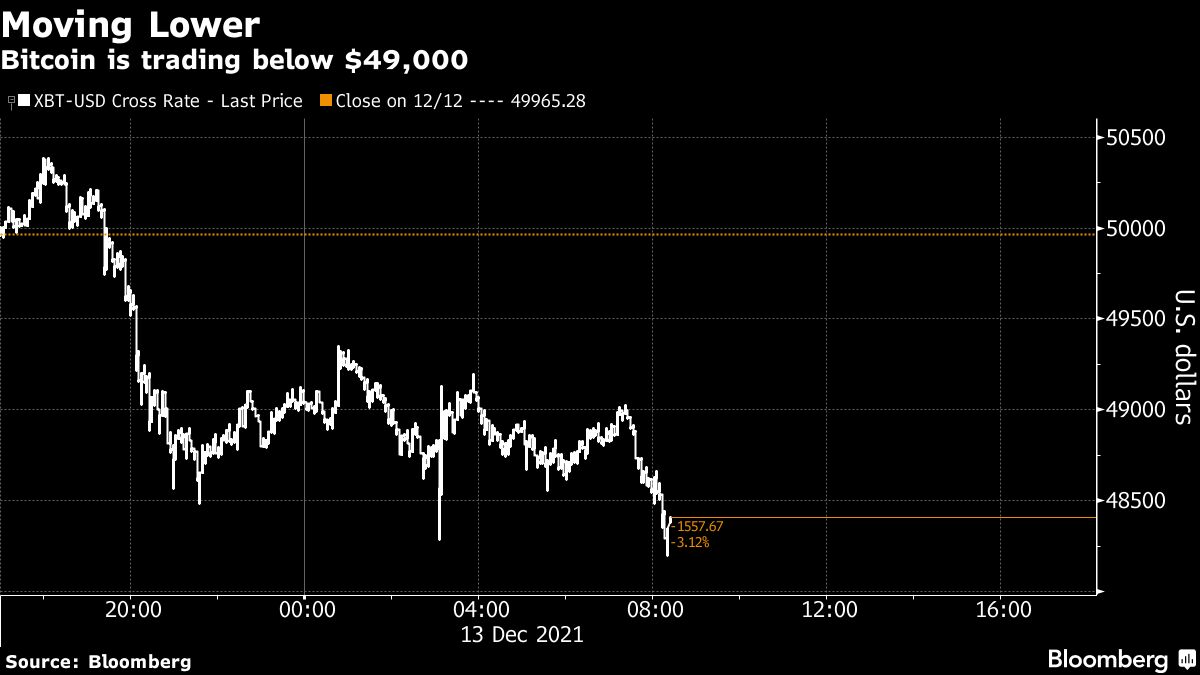

In a shocking turn of events, the BTC price drop has sent ripples through the crypto market, with Bitcoin now trading under 64,000 USDT. Recent data reveals a staggering 24-hour decline of 10.46%, indicating a significant shift in market sentiment. Investors and analysts are closely monitoring the situation as this Bitcoin decline raises concerns about potential liquidation events throughout the ecosystem. The latest crypto market news highlights the increased selling pressure, driving BTC to 63,966.3 USDT. As BTC price analysis unfolds, many are left wondering how this drastic dip will affect the future of digital currencies.

The recent plunge in Bitcoin value has captured the attention of traders and enthusiasts alike, as the leading cryptocurrency experiences a downturn. With BTC falling below the crucial threshold of 64,000 USDT, market participants are eagerly scanning for clues regarding this digital asset’s trajectory. This downturn not only reflects ongoing challenges within the cryptocurrency landscape but also has sparked discussions about liquidation and market recovery strategies. As analysts delve into the latest price trends, the focus shifts toward understanding the broader implications of this Bitcoin liquidation wave. In navigating this tumultuous market environment, insights from BTC price analysis will prove invaluable for those looking to make informed decisions.
| Date | BTC Price (USDT) | 24-hour Decline (%) | Source |
|---|---|---|---|
| 2026-02-06 03:48 | 63,966.3 | 10.46% | Odaily Planet Daily |
Summary
The BTC price drop has seen Bitcoin fall below 64,000 USDT, marking a significant decline of 10.46% in just 24 hours. This downturn is part of a larger trend affecting the cryptocurrency market, where pressures from liquidations and miner sell-offs contribute to downward momentum. Investors are urged to reconsider their strategies in light of these developments, as Bitcoin’s volatility continues to present risks and opportunities in the ever-evolving landscape of digital currency.
BTC Price Drop: An In-Depth Analysis
The recent dip in Bitcoin’s value has shocked investors and analysts alike, as BTC has now fallen below the pivotal threshold of 64,000 USDT. This significant price drop, amounting to a 10.46% decrease within a 24-hour period, raises concerns about the stability of the crypto market. Factors contributing to this downturn include increased selling pressure from miners who are reportedly breaching their cost lines, as well as the looming threat of liquidations across various trading platforms. As the crypto market news continues to unfold, it’s crucial for traders to understand the dynamics behind this decline and adjust their strategies accordingly.
With Bitcoin prices plummeting, many are rushing to analyze their risk exposure. The correlation between market sentiment and price behavior has never been more apparent, as traders scramble to avoid the potential for broader losses. BTC price analysis indicates that this downtrend could be influenced by a combination of external market pressures and internal dynamics, including liquidation events that have compounded the price action. Understanding these market forces is vital for anyone involved in cryptocurrency trading, as it can significantly impact investment decisions and overall market outlook.
Understanding Bitcoin Liquidation Events
Bitcoin liquidations occur when traders who engage in leveraged positions are forced to sell their holdings to cover margin calls, typically leading to accelerated price drops like what we’re witnessing recently. The recent $2.6 billion liquidation event has illuminated how highly volatile the crypto environment can be, especially when traders leverage their positions without fully gauging the associated risks. This kind of market behavior can trigger a cascade effect, leading to further declines as more positions are liquidated, a cycle that feeds upon itself.
Moreover, tracking liquidation metrics offers insight into trader sentiment and market vulnerabilities. As Bitcoin falls below certain price levels, such as the critical barrier of 64,000 USDT, we often see a spike in liquidations that exert additional downward pressure on the price. Consequently, by scrutinizing liquidation trends and patterns, traders can better navigate their strategies in today’s tumultuous market landscape, ensuring they are well-prepared to respond to sudden market shifts.
The Impact of Bitcoin’s Decline on the Crypto Market
The decline of Bitcoin below the 64,000 USDT mark symbolizes more than just a drop in price; it reflects broader concerns within the cryptocurrency market. This downturn can lead to increased apprehension among investors, resulting in a general sell-off across various digital assets. The interconnected nature of cryptocurrencies means that when Bitcoin falters, altcoins often follow suit as market participants seek to mitigate their risks. Understanding the implications of Bitcoin’s price movements is essential for anyone engaged in the crypto market.
Additionally, the cascading effects of BTC’s decline can be observed in trading volumes and overall market capitalization. A downturn often leads to decreased investor confidence, which can further exacerbate price drops. As analysts monitor these developments closely, the unfolding crypto market news will depend on both short-term price actions and long-term fundamentals that dictate the potential recovery for Bitcoin and its counterparts.
Analyzing Bitcoin’s Market Sentiment
Market sentiment plays a critical role in how cryptocurrencies behave, particularly during dramatic price shifts like the recent fall of Bitcoin beneath 64,000 USDT. Positive or negative perceptions can mobilize traders into action, influencing decision-making and market dynamics. Tools for assessing market sentiment often include social media analytics, news headlines, and trading volume, all of which reveal the psychological state of market participants. When BTC price analysis shows declining sentiment, it often correlates with increased volatility.
Furthermore, sentiment indicators can provide traders with valuable insights regarding entry and exit points. In times of fear and uncertainty, as demonstrated by Bitcoin’s recent struggles, contrarian strategies might become more appealing to some. By understanding how sentiment affects price action, investors can develop more robust trading strategies that account for not only the technical factors driving price movements but also the underlying emotional currents that significantly impact the cryptocurrency market.
The Future of Bitcoin: Possible Scenarios Ahead
As Bitcoin falls below the $64,000 threshold, discussions surrounding its future become increasingly pertinent. Analysts are divided on whether this represents a temporary setback or the beginning of a more prolonged bear market. The potential for recovery hinges on key market factors, including regulatory developments, institutional adoption, and macroeconomic conditions. Traders must remain vigilant as they navigate these uncertainties, utilizing data-driven analysis to inform their decisions moving forward.
Another critical aspect to consider is the role of external pressures on Bitcoin’s price trajectory. Geopolitical events, economic trends, and technological advancements can all shape the outlook for Bitcoin and the broader crypto market. Future forecasts will likely depend on Bitcoin’s ability to reclaim support levels and the overall health of the financial ecosystem surrounding it. Investors should weigh the signals from technical analysis against market sentiment to make informed predictions on Bitcoin’s roadmap in the months to come.
Navigating the Challenges of Crypto Trading
Crypto trading can be particularly challenging in volatile periods, especially as Bitcoin experiences substantial drops like the one below 64,000 USDT. Traders are often faced with a multitude of decisions, from choosing the right entry point to managing risk effectively. It’s essential for traders to develop a comprehensive trading plan that includes risk management strategies to shield against sudden market fluctuations. Tools such as stop-loss orders and position sizing are crucial in maintaining a balanced approach to trading in these turbulent times.
Moreover, continuous education about market dynamics and trends is vital for success in crypto trading. As the industry evolves, staying informed about the latest developments, liquidation trends, and BTC price analysis can provide traders with insights that lead to better decision-making. Networking with other traders and participating in forums can also foster a community of learning and support, essential for navigating the complexities of the cryptocurrency landscape.
Current Trends in Bitcoin Mining
Bitcoin mining has come under scrutiny as BTC struggles to maintain its value. With miners reportedly selling off assets as they breach their cost lines, the current trend suggests a shift in the operational landscape for many crypto miners. This behavior can introduce increased selling pressure on Bitcoin, contributing to the volatility we are witnessing today. As miners face economic constraints, their actions can have significant repercussions on market prices, further complicating the investment environment.
Moreover, insights into mining statistics and the operational costs associated with sustaining bitcoin mining operations are of utmost importance. Understanding these nuances allows traders to gauge how external market forces can impact miner behaviors and, subsequently, Bitcoin’s price movements. As miners adapt to economic realities, the implications for Bitcoin’s long-term sustainability and growth prospects must be carefully considered by both traders and stakeholders.
The Role of Institutional Investors in Bitcoin’s Market
Institutional investors have increasingly influenced Bitcoin’s price and market movements, especially as it breaches important levels such as 64,000 USDT. Their participation has introduced a new degree of legitimacy and stability within the crypto space. However, the current decline raises questions about how such investors will react. Market analysts are closely observing the buying or selling patterns of these large players, as their movements can indicate broader market sentiment and trends.
Additionally, the presence of institutional investment has contributed to both increased liquidity and heightened volatility in Bitcoin trading. As these investors often engage in larger trades, their actions can result in rapid price shifts, especially during downturns. Understanding the psychology of institutional investors and their strategies becomes imperative for retail traders, as aligning with or counteracting their behaviors can significantly impact one’s trading outcomes.
Strategies for Risk Management in Crypto Trading
In light of recent price declines, developing a robust risk management strategy has become a priority for traders engaged in Bitcoin and other cryptocurrencies. Effective risk management can shield traders from potential losses during turbulent market conditions, such as the current situation where BTC has dipped below 64,000 USDT. Utilizing techniques like diversification, setting stop-loss orders, and adhering to strict investment thresholds are essential components of a sound trading strategy.
Moreover, continuously reevaluating risk exposure in response to volatile market conditions allows traders to adjust their approaches as needed. The importance of emotional discipline cannot be overstated, particularly in high-stakes environments like cryptocurrency trading, where fear and greed can cloud judgment. Establishing clear rules and sticking to them can aid in maintaining consistency amid the chaos of the crypto market.
Frequently Asked Questions
What caused the recent BTC price drop below 64,000 USDT?
The recent BTC price drop below 64,000 USDT can be attributed to several factors, including market correction, increased selling pressure from Bitcoin miners, and negative sentiment in the crypto market. A 24-hour decline of 10.46% indicates significant volatility, which affects investor confidence and market stability.
How does the BTC price drop impact the crypto market news?
The BTC price drop impacts the crypto market news significantly as Bitcoin is often viewed as a market leader. A decline below 64,000 USDT can lead to bearish sentiments across other cryptocurrencies, resulting in a cascade effect. Investors closely follow BTC price analysis to gauge market trends, influencing trading decisions in various altcoins.
What does BTC falling under 64,000 USDT mean for Bitcoin liquidation?
BTC falling under 64,000 USDT raises concerns about Bitcoin liquidation. As prices drop sharply, leveraged positions are at greater risk, leading to increased liquidations. The recent pullback has resulted in billions in liquidated positions, creating a feedback loop that could further pressure the Bitcoin market.
What trends can we identify from the BTC price analysis after the decline?
The BTC price analysis following the decline suggests a potential trend reversal or continued bearish momentum. The recent dip below 64,000 USDT indicates investors should be cautious, as fluctuating trading volumes and significant sell-offs may persist. Monitoring market indicators and sentiment is crucial for understanding future price movements.
How does a 10.46% decline in BTC affect long-term investors?
A 10.46% decline in BTC can have different implications for long-term investors. While short-term volatility may cause concern, long-term holders often view dips as buying opportunities. However, it’s essential to assess the overall market conditions and Bitcoin’s fundamentals to determine the best strategy moving forward.
