
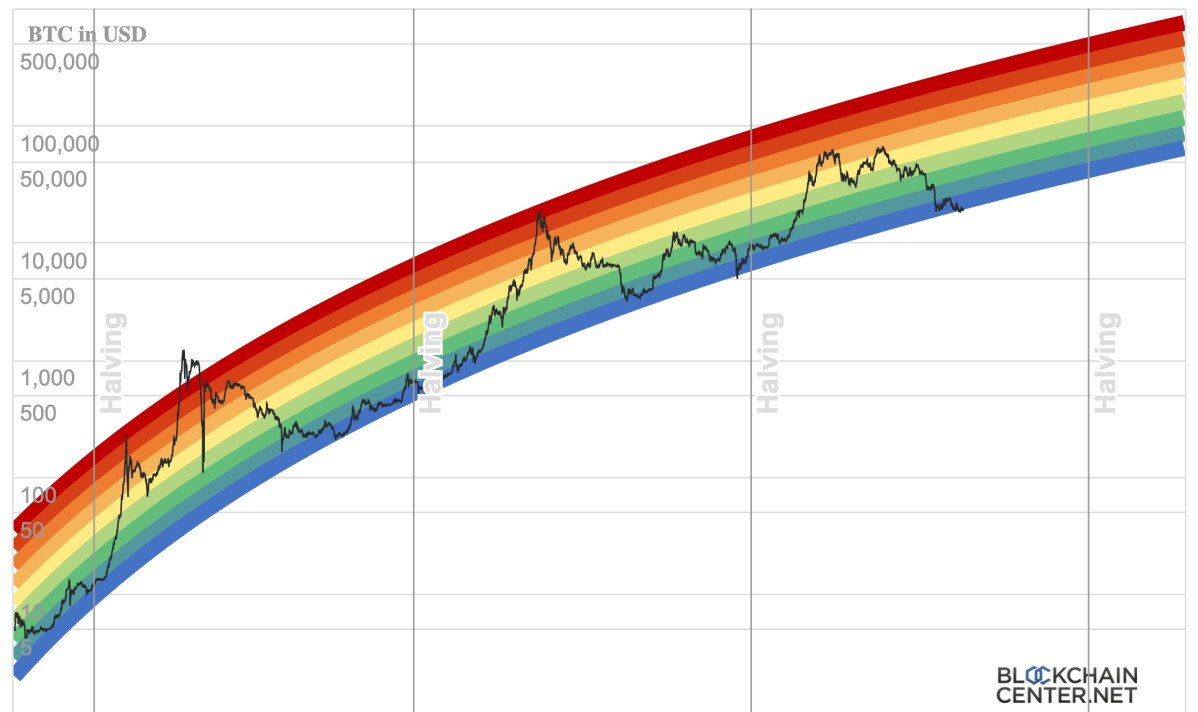

As interest in the cryptocurrency landscape ebbs and flows, understanding BTC price analysis has never been more critical for investors. Recent insights showcase a market performance that is undeniably weaker than that of the early 2022 bear market, with Bitcoin potentially heading towards a troubling price point of $60,000. Key BTC support zones are now crucial for traders to monitor, particularly between the $60,000 and $70,000 brackets, to gauge the asset’s stability amid current market turbulence. Moreover, the institutional demand for BTC has shifted dramatically, reflecting a stark contrast to last year’s trends, with net selling dominating the exchanges. With the growing apprehension around Bitcoin price predictions, it’s essential to navigate the complexities of this crypto market downturn carefully.

In the realm of cryptocurrency investment, a thorough understanding of Bitcoin’s current value trends is vital for strategic decision-making. The ongoing market challenges, particularly when compared to the crypto conditions observed during the early phases of the 2022 bear market, highlight the urgency for investors to reassess their holdings. Analysts now indicate that Bitcoin could potentially retrace back to critical thresholds between $60,000 and $70,000, raising concerns about the future stability of this digital asset. Moreover, the recent downturn in institutional interest emphasizes the need for investors to watch for fluctuations in market engagement and retail participation patterns. This comprehensive evaluation of Bitcoin’s price trajectory is essential as the crypto industry grapples with diminishing liquidity and support from major players.
| Key Point | Details |
|---|---|
| Market Performance | Current performance is weaker than early 2022 bear market. |
| BTC Price Projection | BTC price may drop to $60,000 as the next major support level. |
| Support Zone | The key support zone for BTC is between $60,000 and $70,000. |
| Institutional Demand | Institutional demand has shifted from net buying to net selling. |
| Retail Participation | Sluggish retail participation with a negative Coinbase premium since mid-October. |
| Liquidity Conditions | Liquidity conditions in the market are tightening. |
| Long-Term Demand Growth | Long-term demand has collapsed from 1.1 million BTC to 77,000 BTC in four months, a decrease of 93%. |
Summary
BTC price analysis indicates that the current market performance is significantly weaker than the early 2022 bear market, leading experts to anticipate a potential drop to $60,000. This situation is exacerbated by declining institutional demand, sluggish retail participation, and tightening liquidity conditions. The pivotal support zone remains between $60,000 and $70,000, suggesting that traders should remain vigilant as the market navigates these challenging conditions.
Understanding the Current BTC Price Analysis
The recent BTC price analysis reveals alarming trends as the cryptocurrency faces one of its most significant downswings since the beginning of the 2022 bear market. Market data suggests that Bitcoin’s performance is not just suffering; it is doing worse now than in the early stages of that severe downturn. Analysts highlight that the potential drop towards $60,000 raises concerns about further losses, especially when considering the psychological thresholds for both retail investors and institutional traders.
In particular, two significant support zones for BTC lie between $60,000 and $70,000. If Bitcoin breaks through these areas, it will likely trigger panic selling, heavily impacting its market stability. The shifting dynamics of institutional demand for BTC present further challenges, as there has been a noticeable transition from net buying into net selling, which intensifies the bearish sentiment surrounding Bitcoin.
Comparing Current Trends to the 2022 Bear Market
When we compare the current market performance to the early 2022 bear market, it becomes clear that certain patterns are emerging once again. The current downturn reflects heightened volatility and uncertainty, not unlike what we experienced last year. The lack of institutional support and the significant drop in retail investor participation signal potential struggles ahead. This comparison indicates that the market might not recover as swiftly due to the significant structural weaknesses present.
Furthermore, during the 2022 bear market, BTC experienced fluctuations that informed future investor strategies. However, the current landscape shows a stark contrast, with institutional entities retreating from the market. With perpetual high inflation rates and global economic uncertainties, the typical bullish behavior that follows a bear market is noticeably absent this time. Investors must remain cautious as they navigate these turbulent waters, lest they underestimate the gravity of the current situation.
The Role of Institutional Demand in BTC’s Price Dynamics
Institutional demand for BTC has historically played a pivotal role in stabilizing and driving the price upward. Nevertheless, recent trends indicate a significant shift, with institutions moving from a position of net buying to net selling. This notable change is exacerbating the market’s current weakness and creating an atmosphere of distrust among retail investors. As institutional players are traditionally seen as bellwethers for market confidence, their retreat raises questions about Bitcoin’s future price trajectory.
Moreover, this steady decline in institutional appetite has a direct correlation with Bitcoin’s inability to maintain previous support levels. The economic environment, marked by stricter liquidity conditions, aligns with a broader crypto market downturn that has seen demand shrink drastically. The 93% reduction in annual spot demand over the last four months highlights an urgent need for new strategies to stimulate institutional interest in Bitcoin.
Coinbase Premium and Its Implications for BTC Prices
The persistence of a negative Coinbase premium since mid-October suggests an ongoing lack of confidence among retail investors in the cryptocurrency market. Typically, a positive premium indicates strong demand and bullish investor sentiment. Conversely, a negative premium like the current one indicates that investors are willing to sell Bitcoin at a decreased price, further highlighting the pressure BTC is under.
This bearish premium not only reflects the current psychological state of the market but also has substantial implications for BTC prices moving forward. As the retail participation continues to wane and institutional demand falters, Bitcoin could struggle to break out from its current bearish trend. This stagnation in demand further solidifies the need for a renewed investment strategy to restore investor confidence and stabilize BTC’s price.
Analyzing Key Support Zones for Future BTC Performance
Identifying key support zones is crucial for predicting Bitcoin’s potential price movements. As market conditions worsen, the immediate support zone between $60,000 and $70,000 is critical for BTC’s next steps. Maintaining this zone will be key in avoiding extended declines; however, if BTC fails to hold above these levels, it could signal a broader crisis in market sentiment.
Historically, these support levels have been significant indicators of where investor sentiment lies. As Bitcoin approaches these zones, watchful traders will closely analyze trading volumes and market responses. A breakdown below $60,000 could catalyze a wave of selling pressure, pushing Bitcoin toward more extreme lows, unlike previous recovery patterns often seen in bull markets.
The Broader Impact of the Crypto Market Downturn
The current downturn is not isolated to Bitcoin; it’s a reflection of a much broader struggling crypto market. Significant crypto assets are facing similar pressures, leading to a pervasive atmosphere of caution among traders and investors alike. The interconnectedness of digital assets means that significant declines in Bitcoin can have ripple effects throughout the entire industry.
Consequently, as the market grapples with widespread structural weakness, investors must remain informed and flexible in their strategies. This downturn serves as a painful reminder of how quickly market dynamics can shift, urging parties on all sides—from retail investors to institutional players—to proceed with caution as they navigate these uncertain waters.
Long-term Demand Trends and BTC’s Future Outlook
Examining long-term demand trends offers critical insight into Bitcoin’s potential recovery and stability. Recent data suggests that annual spot demand has plummeted drastically, indicating that both retail and institutional investors may be pulling back from the market. This decline in demand raises questions about Bitcoin’s long-term viability, especially as annual demand shrank from 1.1 million BTC to only 77,000 BTC.
Understanding these trends is essential for predicting Bitcoin’s future price action. As demand matures and shifts, so too will investor strategies. If demand cannot be rekindled, Bitcoin’s journey may be far less buoyant, marking a departure from the bullish surges seen in previous years. Stakeholders must closely monitor these dynamics and adapt their approaches accordingly to maximize potential returns.
Challenges Ahead: The Crypto Market’s Path to Recovery
The path to recovery for the crypto market is fraught with challenges. Recent indicators suggest that both institutional and retail investors are hesitant to re-enter the market. As liquidity conditions tighten, and net selling increases, Bitcoin and other digital currencies face potential stagnation or further declines. Without significant improvements in investor sentiment, the road to recovery may be a lengthy and arduous process.
Furthermore, the broader economic environment, including inflation and regulatory scrutiny, poses additional obstacles to a swift market recovery. The increasing unease among buyers could prolong this downturn, requiring impactful strategies to reverse being perceived as a mere trend follower rather than a market leader. Only time will tell if these challenges can be overcome, but vigilance and adaptability will be paramount for all market participants.
Frequently Asked Questions
What does BTC price analysis indicate about the current market conditions?
According to recent BTC price analysis, the market is currently experiencing a downturn that is worse than during the early stages of the 2022 bear market. This deterioration indicates potential risks for investors, with forecasts suggesting that BTC could drop to $60,000, aligning with critical support zones between $60,000 and $70,000.
How does the current BTC price prediction compare to the 2022 bear market?
Current BTC price predictions reflect a bearish sentiment, suggesting that the performance metrics are weaker than those observed in the early 2022 bear market. This comparison underscores the heightened volatility and structural challenges within the crypto market at this time.
What are the significant BTC support zones identified in recent analysis?
Recent BTC price analysis has identified key support zones between $60,000 and $70,000. These levels are essential for traders to monitor as they indicate where buying interest could potentially stabilize the price amid ongoing market challenges.
How has institutional demand for BTC changed in the current market downturn?
The current market downturn has seen a dramatic reversal in institutional demand for BTC. Previously, U.S. spot BTC exchange-traded funds were net buyers; however, the latest analysis indicates a transition to net selling, contributing to the overall bearish sentiment in BTC price analysis.
What impact does the declining retail participation have on BTC price predictions?
Declining retail participation, evidenced by metrics like the negative Coinbase premium, significantly impacts BTC price predictions. This sluggish involvement from retail investors exacerbates market weakness and casts doubt on any potential upward momentum in BTC prices.
Why is liquidity an essential factor in BTC price analysis?
Liquidity conditions are critical in BTC price analysis as tightening liquidity can lead to increased volatility and reduced market efficiency. As liquidity diminishes, it becomes more challenging for traders to enter or exit positions effectively, impacting BTC’s price stability.
What trends are observed in annual spot demand for BTC?
Recent trends in annual spot demand for BTC reveal a stark decline, dropping from 1.1 million BTC to just 77,000 BTC over the past four months. This 93% decrease signals weakening interest among both institutional and retail investors, crucial for determining future BTC price movements.
Related: More from Bitcoin News | AI, BTC Miners Issue High | Bitcoin Above $69K? Glassnode Weighs In