
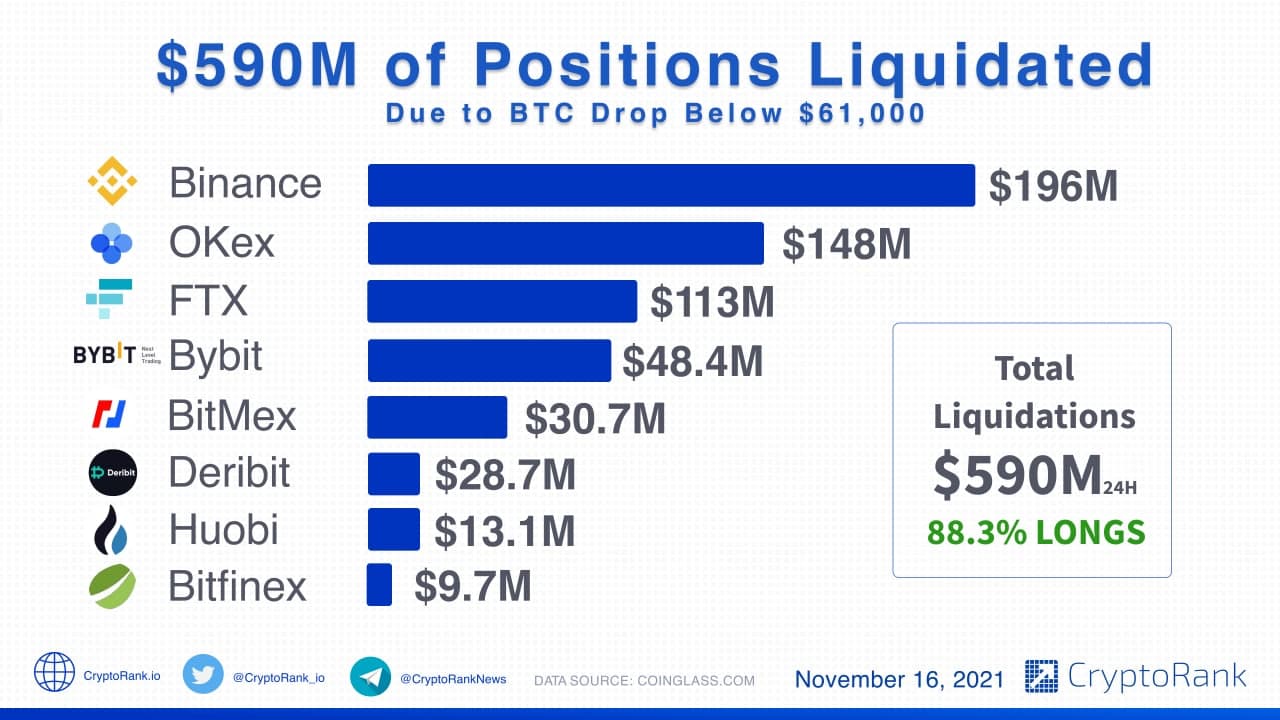

In a significant turn of events, BTC drops below 61,000 USDT, with a startling 24-hour decline of 16.3%. This recent Bitcoin price decline has shaken investor confidence and stirred conversations across the cryptocurrency market news. Currently trading at 60,998 USDT, this downturn prompts a deeper scrutiny of Bitcoin trading analysis and its future trajectory. As enthusiasts and traders react to this fluctuation, the USDT performance is under scrutiny, highlighting the intertwining of stablecoins and cryptocurrency volatility. Keeping a vigilant eye on BTC’s latest update could be critical for investors looking to navigate this turbulent market.

The latest shift in the cryptocurrency realm has witnessed Bitcoin trading fall dramatically below the threshold of 61,000 USDT, marking a noteworthy decline of 16.3% within a day. This downturn not only affects Bitcoin’s standing but could also have cascading effects on related altcoins and the broader digital asset ecosystem. As traders dissect the implications of this price drop, insights into Bitcoin’s recent trading patterns and performance against fiat currencies like USDT become essential. Understanding the fluctuations through careful analysis of the current market dynamics can provide investors with a clearer perspective on navigating their portfolios. Furthermore, as this situation evolves, the latest cryptocurrency market developments continue to signal potential new strategies for both seasoned and novice traders.
| Date | BTC Price (USDT) | 24H Decline (%) | Source |
|---|---|---|---|
| 2026-02-06 00:12 | 60,998 | 16.3% | Odaily Planet Daily |
Summary
BTC drops below 61,000 USDT marks a significant downturn for the cryptocurrency market, showcasing a 24H decline of 16.3%. This drop highlights the volatility and risks inherent in cryptocurrency investments, as Bitcoin’s price fluctuates within the broad market trends. Investors should remain vigilant and informed about market movements to navigate these challenges effectively.
Bitcoin Price Decline: BTC Drops Below 61,000 USDT
On February 6, 2026, Bitcoin experienced a significant downturn in its market value, dropping below the critical threshold of 61,000 USDT. Current reports indicate the price stands at 60,998 USDT, reflecting a 24-hour decline of 16.3%. This sharp decrease signifies a turbulent shift in the cryptocurrency market, showcasing the volatility that traders and investors must navigate. Such fluctuations are not uncommon; however, they do raise concerns among stakeholders regarding the long-term stability of Bitcoin and its position in the digital asset landscape.
The recent drop below 61,000 USDT marks a culmination of bearish trends impacting Bitcoin’s price over recent days. Analysts in the cryptocurrency market have been paying close attention to these movements, which could be indicative of broader economic factors or market sentiments shaking investor confidence. Moreover, the decline invites further analysis of trading strategies and investment behaviors as traders look for signs of recovery or further downturns. As BTC remains one of the leader assets in the cryptocurrency market, its performance is crucial for gauging the potential trajectory of other cryptocurrencies.
Understanding Cryptocurrency Market News Amid BTC’s Latest Update
The cryptocurrency market is continuously evolving, making it essential for traders to stay updated with the latest news and market movements. With BTC dropping below 61,000 USDT, analysts are dissecting the implications of this decline for the overall market. The steep 16.3% drop in just 24 hours has raised questions about market stability and future price movements. Investors are advised to monitor ongoing market developments and adjust their strategies according to the current trends.
Additionally, market news surrounding Bitcoin often impacts related cryptocurrencies as well. The performance of Bitcoin significantly influences trading patterns in the broader cryptocurrency market, making it an essential focus for traders. As BTC drops, other altcoins can experience a ripple effect of price changes, further complicating trading strategies and analysis.
Cryptocurrency Trading Analysis: Navigating BTC’s Volatility
With Bitcoin’s recent decline, it becomes critical for traders to engage in rigorous trading analysis to navigate this volatility effectively. The current market conditions necessitate an understanding of various technical indicators and market sentiments. Traders may want to assess historical price movements and identify potential support and resistance levels to optimize their trading positions. The current price drop below 61,000 USDT provides a unique opportunity for analysis and decision-making in the trading world.
Moreover, the 16.3% decline presents various scenarios for potential rebounds or further downturns. Understanding how BTC reacts to past declines can help traders anticipate future movements. Utilizing tools such as candlestick patterns, moving averages, and volume analysis will allow traders to make informed decisions amid the uncertainty of the cryptocurrency market. Stay updated with trading insights to leverage market conditions effectively.
Implications of BTC’s Decline on USDT Performance
The fluctuation of Bitcoin directly affects the performance of stablecoins like USDT. During times of significant market downturns, such as BTC’s recent drop below 61,000 USDT, traders often flock to stablecoins to mitigate risks associated with volatility. The current environment may lead to increased demand for USDT as investors seek to protect their assets. Understanding this relationship is key for traders looking to maintain stability in their portfolios amid downturns in the cryptocurrency market.
The interplay between Bitcoin’s price and the performance of USDT highlights the importance of diversifying one’s assets within the crypto realm. When BTC sees a sharp decline, investors might convert their holdings to USDT, thereby stabilizing their capital. This trend can create upward pressure on USDT’s market price while simultaneously creating downward pressure on Bitcoin, establishing a cycle that traders must recognize for successful cryptocurrency investment.
Analyzing Market Trends: BTC’s Recent Volatility
Current events in the cryptocurrency market indicate that volatility is becoming a common theme, particularly with Bitcoin’s recent significant declines. The fact that BTC has dropped below 61,000 USDT presents a compelling opportunity for market analysis. Traders should assess broader economic indicators, investor sentiments, and trading volumes to comprehend how these factors may contribute to Bitcoin’s movements. Additionally, looking at multiple time frames for price analysis can help forecast potential future price behaviors.
Moreover, such volatility can lead to trading strategies focused on short-term gains rather than long-term investments. As Bitcoin’s movements can shake investor confidence, reactions may prompt swift market changes. A comprehensive understanding of both technical and fundamental analyses will enhance a trader’s ability to make informed decisions in response to ongoing market fluctuations.
The Role of News in Bitcoin Trading Decisions
News plays an integral role in shaping perceptions about Bitcoin and its price movements. The announcement regarding BTC dropping below 61,000 USDT and its subsequent 24-hour decline of 16.3% is a prime example of how market news can influence trading behaviors. Stakeholders who closely follow news updates are often more equipped to make decisions that reflect real-time market conditions, which can dramatically impact their trading strategies.
Furthermore, news from reputed sources reinforces the credibility of market trends. As Bitcoin’s status as a leading cryptocurrency continues to dictate the direction of the market, understanding the implications of events and announcements is vital for successful trading. Traders should build strategies that incorporate timely news alerts and analysis to enhance their decision-making processes.
Investor Sentiment Amid Bitcoin’s Price Decline
Investor sentiment is a critical factor influencing Bitcoin’s price and overall market dynamics. Following the news of BTC dropping below 61,000 USDT, many investors may feel anxious about their holdings and the potential for further declines. This shift in sentiment often leads to hasty decisions that can exacerbate market volatility, creating a feedback loop that can negatively impact Bitcoin’s price even more.
Monitoring investor sentiment through social media trends and market analyses can provide insights into collective feelings among cryptocurrency investors. Consequently, traders can use this information to navigate market dynamics more effectively. Recognizing trends in investor sentiment allows for strategic adjustments that could mitigate risks during turbulent times.
The Importance of Technical Analysis in Bitcoin Trading
Technical analysis becomes increasingly essential during price fluctuations, such as Bitcoin’s recent drop below 61,000 USDT. Traders utilize technical indicators—like moving averages and Fibonacci retracements—to identify patterns and forecast potential future movements. Understanding how these indicators react to price declines can significantly enhance a trader’s ability to make informed decisions instead of simply reacting to emotional impulses.
Moreover, setting stop-loss orders and employing risk management strategies is crucial during such volatile periods. When faced with the uncertainty surrounding a 16.3% decline, having predefined exit points based on technical analysis can protect investors from significant losses. Analyzing price charts and indicators can be the difference between loss mitigation and severe financial impact.
Future Projections for Bitcoin: BTC’s Path Ahead
Following the recent decline below 61,000 USDT, future projections for Bitcoin will likely pivot on several critical factors, including market recovery signs, regulatory developments, and overall investor sentiment. Analysts are keeping an eye on support levels that may indicate whether BTC can reclaim its losses or if further downturns are imminent. This scenario sets the stage for traders seeking to capitalize on potential recovery.
In the dynamic landscape of cryptocurrency, understanding future projections requires ongoing analysis and vigilance. The ability to adapt one’s trading strategies based on emerging market conditions can be the key to success in navigating Bitcoin’s unpredictable nature. By analyzing historical trends and current market activities, traders can position themselves advantageously for whatever lies ahead.
Frequently Asked Questions
What does it mean when BTC drops below 61,000 USDT?
When BTC drops below 61,000 USDT, it signifies a significant price decline in the Bitcoin market, indicating bearish sentiment among traders. This recent drop has resulted in a 24-hour decline of 16.3%, raising concerns about the sustainability of Bitcoin’s current market performance.
How does the BTC drop below 61,000 USDT impact the cryptocurrency market?
The BTC drop below 61,000 USDT can have a ripple effect on the entire cryptocurrency market. Such a decline typically leads to decreased investor confidence, which may cause other cryptocurrencies to also experience price drops, contributing to a more bearish overall market sentiment.
What are the potential reasons behind the BTC drop below 61,000 USDT?
The BTC drop below 61,000 USDT may be attributed to several factors, including market corrections, regulatory news, heightened selling pressure, or macroeconomic conditions affecting investor behavior. Such volatility is not uncommon in the cryptocurrency market.
Where can I find the latest updates on BTC price fluctuations?
For the latest updates on BTC price fluctuations, checking cryptocurrency news websites, tracking platforms like CoinMarketCap, and subscribing to market alerts can provide timely information on Bitcoin trading analysis and significant price movements.
What should investors consider during the BTC drop below 61,000 USDT?
During the BTC drop below 61,000 USDT, investors should consider their risk tolerance and market analysis. It’s essential to evaluate whether this decline presents a buying opportunity or indicates a longer-term downtrend, especially when combined with overall cryptocurrency market news.
Will the BTC price recover after dropping below 61,000 USDT?
While it’s difficult to predict the exact movement of the BTC price, historical trends show that Bitcoin can recover from significant price drops. Factors such as market sentiment, adoption rates, and macroeconomic influences will play critical roles in determining if BTC can rebound following the recent decline.
How does this drop relate to USDT performance in the market?
The BTC drop below 61,000 USDT is closely tied to USDT performance, as it often serves as a stable trading pair for many cryptocurrency transactions. If BTC declines, it may signal concerns over the stability of other currencies, including USDT, consequently affecting traders’ liquidity options.