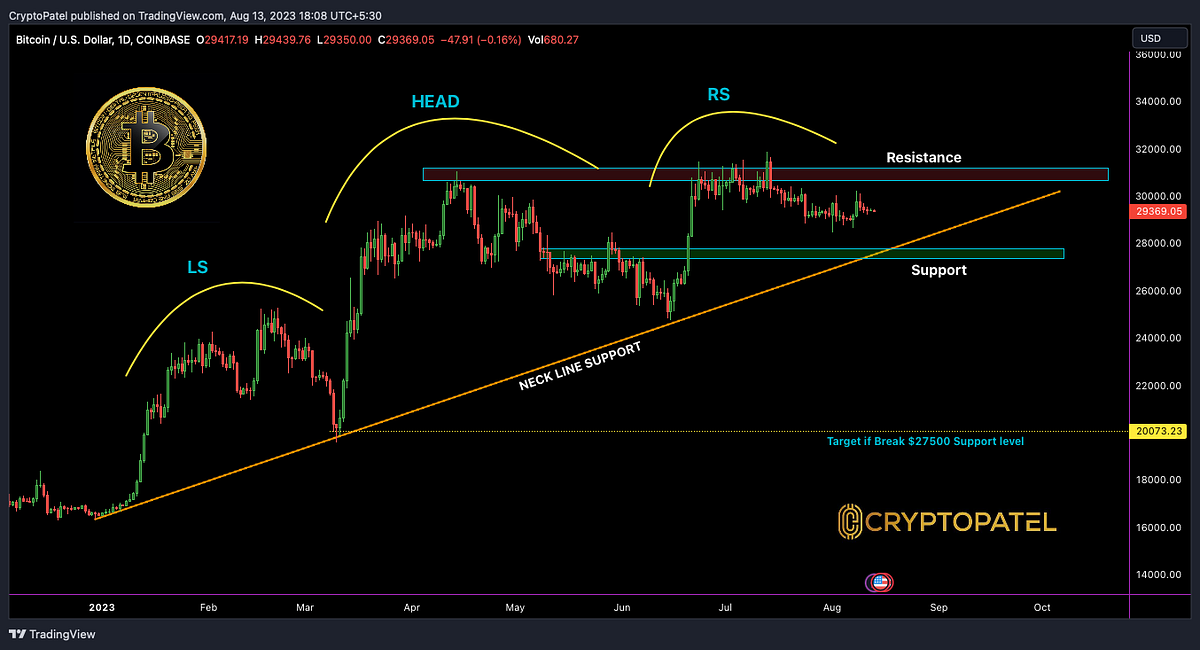

The recent BTC breakout has sparked a mix of excitement and skepticism within the cryptocurrency community. As Bitcoin grapples with a bearish structure on the daily timeframe, many traders are focusing their attention on BTC price predictions for potential recovery trends. With the launch of IBIT options in late 2024 impacting market perceptions, in-depth Bitcoin trading analysis is more critical than ever. Investors are left wondering if a true turnaround is on the horizon or if these bearish BTC trends will persist long into the new year. Keeping an eye on the cryptocurrency market analysis will be essential as key resistance levels are tested and traders seek clarity on future movements.
The recent surge in Bitcoin’s price action, often referred to as the BTC price movement, has created notable discourse among market participants. Many analysts are delving into Bitcoin trading evaluations, assessing whether the current conditions signify a fleeting opportunity or a substantial shift in momentum. Amidst lingering bearish perspectives, understanding the ramifications of the recently introduced IBIT options could prove vital for traders navigating the landscape. With ongoing analysis of bearish BTC patterns and market reactions, insights into future trends remain paramount for informed decision-making. Thus, a comprehensive review of cryptocurrency market dynamics continues to be essential for those engaged in Bitcoin investing.
Understanding Recent BTC Price Predictions
The current sentiment among traders regarding BTC price predictions is overwhelmingly cautious. Following the recent breakout attempts, many analysts are scrutinizing the technical charts for signs of upward momentum. However, undercurrents of skepticism persist, especially considering the bearish structure evident on the daily timeframe. As we head into the new year, many are assessing whether any anticipated price movements could reverse the bearish BTC trends that have dominated recent months.
Analysts are also focusing on how fundamental changes, particularly from the introduction of IBIT options, have impacted BTC’s price dynamics. These new trading options have generated diverse opinions within the cryptocurrency community. While some traders are optimistic about the potential for innovation, others remain wary of the market’s stability and its effects on BTC’s long-term price trajectory. Understanding these price predictions involves recognizing both technical indicators and shifts in trading behavior.
Bitcoin Trading Analysis: Bullish Signs or Bearish Trends?
Recent Bitcoin trading analysis reveals a complex picture, with traders divided over the cryptocurrency’s future trajectory. While some are identifying bullish signals that suggest potential reversals, the overarching trend remains bearish. Observations show that without significant upward momentum during peak trading hours in the U.S., BTC may struggle to gain traction. As we analyze this landscape, key support and resistance levels are crucial for traders looking to make informed decisions.
Additionally, the performance of BTC during critical trading periods provides valuable insights for future trading strategies. The divided opinions on whether to hold or liquidate BTC positions could lead to increased volatility as traders react to market cues. Analysts recommend continuous monitoring of BTC price movements, particularly around notable dates such as January 6, to understand market sentiment and make strategic trading decisions.
The Impact of Bearish BTC Trends on Trading Decisions
In light of the prevailing bearish BTC trends, many traders are recalibrating their strategies to mitigate risk exposure. As January approaches, the skepticism surrounding BTC’s ability to break out of its current bearish trajectory is palpable. This reflects a broader uncertainty within the cryptocurrency market analysis. Traders must weigh their positions carefully, considering factors like recent lows and the market’s overall direction before committing to new positions.
The bearish trend is particularly concerning for short-term traders who rely on volatility for profits. A continuation of bearish trends could lead to significant losses if traders are unprepared for a downturn. Therefore, it is imperative for those involved in BTC trading to remain vigilant, not only monitoring price movements but also paying close attention to market sentiment and overarching economic indicators that could affect Bitcoin’s price.
Analyzing Cryptocurrency Market Trends Post-IBIT Options
The introduction of IBIT options on November 19, 2024, has undoubtedly changed the landscape for cryptocurrency market trends, particularly for BTC. The options have opened new avenues for speculation and hedging but have also contributed to the current bearish sentiment. Many traders interpret this shift as a signal that the market dynamics are evolving, requiring them to adapt their strategies to account for not only BTC’s price movements but also related trading options.
Moreover, analysts are grappling with the fallout from the launch of IBIT options, trying to determine their longer-term impact on Bitcoin trading behaviors. With fluctuating volumes and increased volatility, the stakes are high for investors who are now navigating this newly complex environment. Ultimately, understanding the interplay between IBIT options and BTC’s price trajectory is crucial for making informed trading decisions moving forward.
Preparing for Future BTC Breakouts: What to Watch
As traders look ahead, preparing for potential BTC breakouts is essential. Keeping an eye on key indicators such as trading volume, volatility, and market sentiment analytics will provide insights into whether the bearish outlook has enough momentum to overcome. Crucial resistance levels, particularly as we approach critical dates, will also serve as touchpoints for traders looking to capitalize on any breakout opportunities that may arise.
Moreover, implementing strategies that consider various market conditions can empower traders to either capitalize on potential breakouts or safeguard against continuing bearish trends. It’s critical to stay informed about external factors, such as regulatory news or macroeconomic shifts, which can act as catalysts for sudden price changes in the cryptocurrency market.
The Role of Market Sentiment in BTC Price Movements
Market sentiment plays a pivotal role in determining BTC price movements. The recent skepticism surrounding BTC’s prospects reflects broader sentiments prevailing amongst traders and investors. Significant news events, such as the impacts of IBIT options, can swiftly alter market dynamics and sentiment, leading to either heightened bearish sentiment or creating opportunities for unexpected bullish reversals.
Understanding how collective investor feelings influence price actions offers traders strategic advantages in navigating the unpredictable nature of Bitcoin markets. By employing sentiment analysis, traders can better forecast potential shifts in BTC price, allowing them to position themselves ahead of market movements and optimize their trading strategies accordingly.
Monitoring Key Levels for BTC Trading Success
For any successful BTC trading strategy, monitoring key levels is crucial. This involves identifying significant support and resistance points that indicate potential areas where the price could reverse or consolidate. Recent trends have shown that BTC remains susceptible to rapid fluctuations, especially as it approaches key dates such as January 6, 2025. Traders should be prepared to react to price changes while keeping overall market conditions in mind.
Incorporating technical analysis tools can assist traders in discerning these levels effectively. Through combinations of historical price data and predictive modeling, traders can gauge the likelihood of BTC sustaining a breakout. Adapting their strategies based on real-time movements helps ensure that they can take advantage of opportunities or protect themselves from adverse market conditions.
Future Predictions: BTC and Cryptocurrency Market Outlook
Looking ahead, future predictions for BTC encompass a range of possibilities shaped by current market dynamics and trader behavior. As skepticism about immediate breakout potential continues, many investors are strategically positioning themselves for a longer-term recovery. The interconnectedness of Bitcoin with broader cryptocurrency trends suggests that collective movements across the market may significantly affect BTC’s future performance.
Additionally, as regulations evolve and new trading platforms emerge, the future of BTC may become increasingly complex. It will be essential for traders to keep abreast of these changes and analyze their potential impacts on market sentiment and pricing structures. This approach enables them to navigate the ever-changing landscape of cryptocurrency trading intelligently.
Navigating BTC Trading in a Volatile Market
In a volatile market, navigating BTC trading requires both caution and strategy. The current bearish conditions necessitate a disciplined approach whereby traders establish clear entry and exit points based on real-time market data. With price fluctuations, particularly during U.S. trading hours, being increasingly pronounced, employing risk management techniques becomes paramount for preserving capital.
Moreover, understanding how volatility impacts not only BTC but also related cryptocurrencies will provide traders with a broader market view. By anticipating potential market shifts and integrating flexibility into their trading plans, traders stand a better chance of responding effectively to sudden changes, maximizing returns even during downturns.
Frequently Asked Questions
What does the recent BTC breakout imply for Bitcoin price predictions?
The recent BTC breakout has raised questions among traders regarding potential shifts in Bitcoin price predictions. Despite the breakout, many analysts remain skeptical due to the prevailing bearish BTC trends observed on the daily timeframe. These trends suggest that there may not be substantial upward movement in Bitcoin’s value in the near future.
How are bearish BTC trends affecting cryptocurrency market analysis?
Bearish BTC trends continue to impact cryptocurrency market analysis by influencing traders’ sentiment and decision-making. With many traders expressing skepticism about any meaningful breakout, analysts are focusing on key support levels and resistance points, especially in light of recent developments such as the IBIT options launch.
What role do IBIT options play in Bitcoin trading analysis?
IBIT options, launched in November 2024, have significantly impacted Bitcoin trading analysis by introducing new dynamics into the market. Many traders believe these options have contributed to a bearish sentiment, as BTC’s performance remains lackluster during U.S. trading hours, leading to a critical reevaluation of BTC price predictions.
Can we expect a significant BTC breakout before year-end considering current market conditions?
Given the current market conditions, many experts doubt a significant BTC breakout will occur before year-end. The prevailing bearish structure, reinforced by trader skepticism and the mixed opinions following the IBIT options launch, suggests that any major upward movement is unlikely in the immediate term.
What are the key levels to watch for BTC price as we analyze potential breakouts?
As traders assess potential breakouts, key levels to watch for BTC price include fluctuations around January 6, which may provide crucial insight into future market trends. However, the overarching bearish BTC trends observed could limit the potential for significant upward movements.
| Key Points |
|---|
| Most traders remain skeptical about the recent BTC breakout. |
| The daily timeframe indicates a bearish structure. |
| There is a significant division in opinions within the trading community. |
| A bearish faction cites changes since the launch of IBIT options on November 19, 2024. |
| BTC has shown poor performance during U.S. trading hours without upward volatility. |
| Key levels to watch for potential fluctuations around January 6. |
| Most traders doubt any significant breakout before year-end. |
Summary
The BTC breakout has generated mixed feelings among traders as skepticism looms over its potential sustainability. Recent analysis reveals a bearish trend in BTC, suggesting that significant hurdles remain before achieving any long-lasting upward momentum. As the community watches for pivotal movements, notably around key levels expected in early January, the prevailing sentiment underscores caution in predicting a robust BTC breakout in the near future.
Related: More from Bitcoin News | Citi Sees Bitcoin Banked on Wall Street Crypto Platform | Bitcoin Drops Below $65K Amid Macro Risks