


In this detailed BTC analysis, we delve into the current factors influencing the Bitcoin market amidst a backdrop of notable price fluctuations. Recently, BTC has made a rebound to $90,500 after testing the $89,200 support level, yet it struggles against the formidable $95,000 resistance. Simultaneously, the market is experiencing significant ETF outflows, which add pressure to BTC prices and lead to increased volatility. Additionally, the BTC leverage trading landscape is becoming more dynamic, with the total open contracts in the BTC futures market rising sharply. As cryptocurrency market trends unfold, understanding these interrelated components will be crucial for investors navigating the complexities of Bitcoin’s price movements.

This exploration of Bitcoin dynamics involves an in-depth investigation into its price fluctuations and market conditions. As we examine the recent trends in cryptocurrency, it becomes clear that Bitcoin is contending with significant resistance levels, particularly around $95,000. Concurrently, outflows from exchange-traded funds (ETFs) are shaping the market’s overall sentiment, while the increase in leveraged trading positions highlights investor behavior. Furthermore, insights into the futures market for BTC reveal critical information about how traders are positioning themselves. By analyzing these elements, we gain valuable perspectives on the evolving landscape of Bitcoin investment.
Current BTC Price Resistance Levels
As BTC rebounds towards significant resistance, it faces a crucial barrier at the $95,000 mark. This threshold has proven to be a formidable challenge for buyers, with the price bouncing back to $90,500 after testing the $89,200 support level. This interaction with the support reflects its correlation with the 50-day moving average, establishing a short-term trading range. The inability to breach the $95,000 resistance suggests a consolidation phase, as traders assess market trends and future volatility.
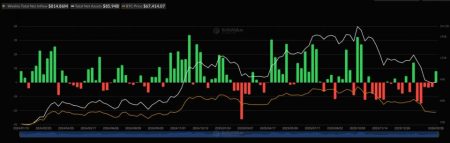
In analyzing the current BTC price resistance, it’s evident that market sentiments heavily influence price movements. Not only is the $95,000 level pivotal, but the recent ETF outflows also contribute to this dynamic. As institutional investors withdraw funds, it could exert downward pressure on BTC prices, complicating the overall market perception further. This duality of price resistance and ETF activity highlights the multifaceted nature of the cryptocurrency market.
Impact of ETF Outflows on BTC
ETF outflows have emerged as a dominant factor affecting BTC pricing dynamics. When investors pull funds from Bitcoin ETFs, it creates a ripple effect within the market that can lead to increased volatility. Recent trends indicate that outflows have intensified, aligning with the resistance challenges faced at higher price levels. As institutional investment wanes, the supply-demand balance tends toward the sellers, further complicating BTC price recovery efforts.
Moreover, the impact of these ETF outflows extends beyond immediate price fluctuations. They can signify broader market sentiments and potential shifts in institutional confidence towards BTC and the cryptocurrency market. For new investors and traders, understanding these outflows and their implications is crucial, as they can provide insights into the sustainability of price rallies and the overall health of Bitcoin within the financial ecosystem.
BTC Leverage Trading Surge
The dynamics of BTC leverage trading are currently shifting, with new data revealing a notable increase in open contracts for BTC derivatives. With nearly 700,000 BTC in open futures and options contracts, this rise indicates a heightened participant interest in leveraging their positions. As traders seek to capitalize on price movements, the use of leverage can amplify both gains and losses, creating a more volatile trading environment.
This increase in leverage is also reflected in the perpetual futures funding rate, which remains positive at around 0.09%. This scenario implies a situation where long positions pay short positions to maintain their exposure, suggesting that traders are optimistic despite the resistance challenges. However, the simultaneous rise in leverage underscores a potential risk, as over-leveraged positions can lead to rapid liquidations, particularly in an unpredictable market.
BTC Futures Market Analysis
The BTC futures market is witnessing significant activity, with traders increasingly utilizing futures contracts to hedge or speculate on price movements. The current open interest reaching a three-week high indicates a robust participation level, which reflects traders’ confidence in BTC’s potential price volatility. As the price hovers around pivotal resistance levels, the futures market’s behavior becomes a crucial indicator of trader sentiment and anticipated BTC price movements.
Furthermore, the relationship between the futures market and spot prices must be analyzed to understand market dynamics fully. Fluctuations in the futures market can lead to price corrections on spot exchanges, showcasing the interconnectedness within the cryptocurrency landscape. As traders navigate this complex situation, closely monitoring these indicators will be vital for forecasting future BTC trends amidst increasing leverage and resistance levels.
Understanding Cryptocurrency Market Trends
Analyzing cryptocurrency market trends extends beyond mere price analysis; it requires an understanding of various interconnected elements such as volume, sentiment, and external influences, including ETF activities. Recent trends have shown that BTC remains closely correlated with broader market movements, responding to shifts in institutional investment and regulatory news. Keeping abreast of these trends provides invaluable insights for traders who aim to make informed decisions.
Additionally, the cryptocurrency market often experiences cyclical trends that can be analyzed through historical data. These patterns can help traders identify potential entry and exit points as BTC navigates its way through resistance and support levels. It’s important to recognize that while technical analysis plays a critical role, understanding market psychology and potential catalysts for change will equip traders to navigate the challenges presented by a volatile environment.
The Future of BTC: Potential Outcomes
Looking ahead, the future trajectory of BTC hinges on several factors, including its ability to break through the current resistance levels and stabilize amid rising leverage in the futures market. If BTC can clear the $95,000 barrier, it may spark renewed bullish sentiment, leading to increased investment and trading activity. Conversely, sustained resistance coupled with ongoing ETF outflows may create downward pressure, necessitating caution among traders.
Another potential outcome lies in the ramifications of leverage trading. As more traders adopt leveraged positions, market volatility may intensify, particularly during downturns. The key for traders will be to balance risk and reward, leveraging technical indicators with sentiment analysis to chart the most strategic paths forward. How BTC navigates these challenges will be crucial in shaping the broader cryptocurrency market’s landscape.
Analyzing BTC Price Movements
Analyzing BTC price movements requires a blend of technical and fundamental analysis. The interplay between support and resistance levels is a fundamental aspect. Recent activity shows a rebound from the $89,200 support, indicating resilience. Traders often look for confirmation of these movements through volume spikes or shifts in market sentiment. Understanding these dynamics helps set expectations for future price patterns.
Moreover, keeping an eye on external factors such as global economic conditions and regulatory news can significantly influence BTC’s price movements. As more institutional players enter the market, their trading behaviors and the overall sentiment can cause substantial price fluctuations. Thus, a comprehensive analysis of BTC price movements must incorporate both price action and broader market trends.
Risks Associated with BTC Investments
Investing in BTC comes with its own set of risks, particularly given its volatile nature. The repercussions of rising leverage trading are noteworthy; while leverage can amplify gains, it equally increases the potential for significant losses. Traders often face liquidation if the market moves against their positions, illustrating the high-stakes environment of cryptocurrency trading. Understanding these risks is essential for anyone considering an investment in BTC.
Additionally, the cryptoeconomy is continuously evolving, presenting unique risks such as regulatory changes and market manipulation. The impact of ETF outflows and institutional sentiment can sway BTC’s price substantially, leading to rapid fluctuations that may not align with traditional market behaviors. Investors, therefore, must educate themselves on these risks and employ sound strategies to navigate the complex landscape of Bitcoin trading.
Navigating BTC Market Sentiment
Market sentiment plays a crucial role in BTC price dynamics, often driving price movements more than fundamental factors. Traders and investors alike are influenced by sentiments reflected through social media activity, news cycles, and overall market trends. The recent challenges around the $95,000 resistance level have generated mixed sentiments, with cautious optimism from some investors while others remain wary due to rising leverage and ETF outflows.
To effectively navigate BTC market sentiment, traders should utilize sentiment analysis tools and platforms that track social media and news sentiment. These insights can reveal shifts in public perception and help traders align their strategies accordingly. By understanding the underlying sentiment, investors can make more informed decisions, adapting to the ever-changing tides of the cryptocurrency market.
Frequently Asked Questions
What is the significance of BTC price resistance at $95,000?
The BTC price resistance level at $95,000 has proven critical for traders and analysts alike. As Bitcoin approaches this resistance, it often experiences increased selling pressure, which can limit upward momentum. Breaking through this level could signal a bullish trend, while failure to do so might result in consolidations or corrections.
How do ETF outflows impact BTC analysis?
ETF outflows are significant in BTC analysis as they reflect investor sentiment and demand. High outflows suggest that investors are pulling back, which can apply downward pressure on Bitcoin’s price. Observing ETF outflows can provide insights into market trends and potential price movements.
What role does BTC leverage trading play in market volatility?
BTC leverage trading amplifies market volatility by allowing traders to borrow funds to increase their positions. When leveraged positions increase, as seen with a rise in open contracts, it can result in larger price swings. This is especially pertinent when the market approaches resistance levels, impacting overall BTC analysis.
How do BTC futures market trends affect overall cryptocurrency market analysis?
BTC futures market trends provide critical insights into trader expectations and sentiment towards Bitcoin. A surge in open contracts can indicate increased interest and speculative trading, influencing other cryptocurrencies in the market. Therefore, analyzing BTC futures is essential for a comprehensive understanding of cryptocurrency market trends.
What insights can be drawn from the current state of the BTC futures market?
The recent activity in the BTC futures market, with nearly 700,000 BTC in open contracts, indicates a heightened level of speculative trading. The positive funding rate suggests that long positions are prevalent, signaling trader confidence, but also raises the risk of long liquidations, which is an important aspect to consider in BTC analysis.
| Key Point | Details |
|---|---|
| BTC Price Action | BTC rebounded to $90,500 after testing the $89,200 support level, which aligns with the 50-day moving average. |
| Resistance Level | BTC is facing a strong resistance at $95,000, hindering further price movement. |
| ETF Outflows | Over the last two trading days, ETF outflows have been a predominant factor affecting BTC’s price. |
| Market Leverage | The rise in derivatives positions has led to an increase in market leverage, with BTC futures and options contracts hitting nearly 700,000 BTC. |
| Liquidation Risks | Positive funding rates suggest traders are heavily leveraging long positions, heightening the risk of liquidations. |
Summary
BTC analysis shows that while Bitcoin has seen a price rebound to $90,500, it remains under pressure from the $95,000 resistance level. The combination of ETF outflows, increasing market leverage, and trader behaviors contributes to a complex trading environment that could lead to significant volatility.
Related: More from Bitcoin News | Stablecoin Strength Pressures Bitcoin Treasury | Analysts: No Evidence of Jane Street Bitcoin Manipulation, ETF Demand Soars