

Borrowing Against Tesla Stock to Buy a Car: The Future of DeFi According to Superstate CEO Robert Leshner

Key Takeaways
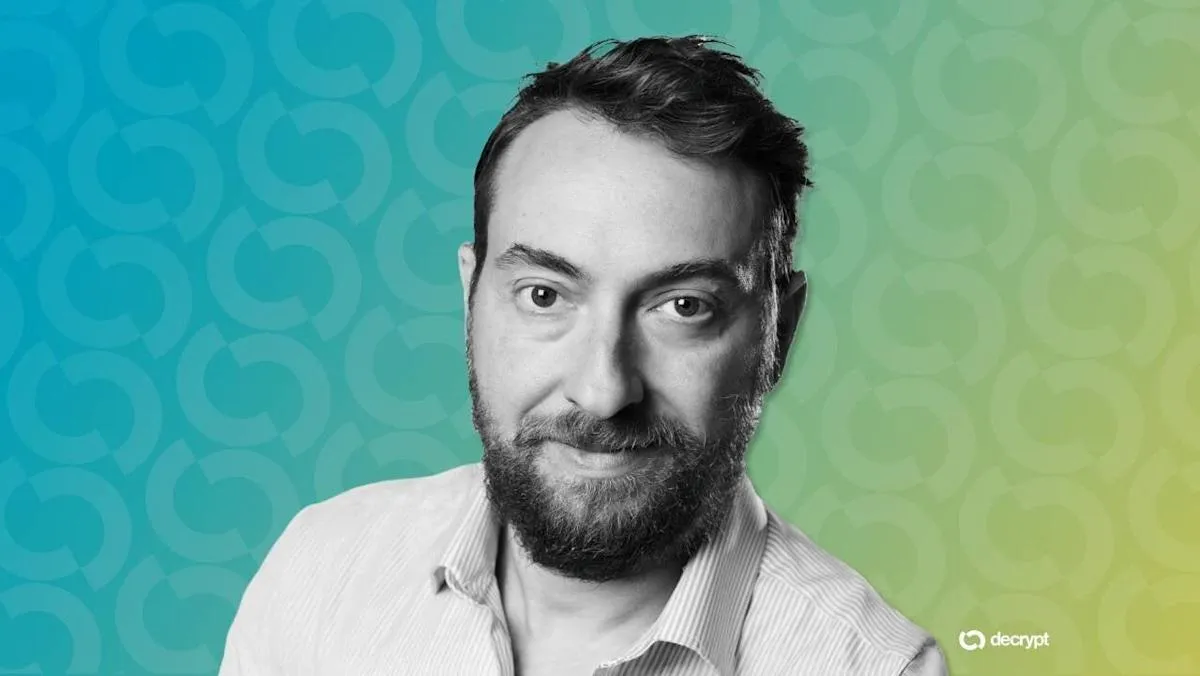
In a recent keynote at the Decrypt Media event, Robert Leshner, CEO of the fintech innovator Superstate, unveiled a compelling vision for the future of decentralized finance (DeFi). He proposed a novel concept that could revolutionize how we think about asset utilization and ownership: borrowing against your Tesla stock to purchase a Tesla car.
Breaking Traditional Financial Boundaries
Traditionally, purchasing significant assets like cars usually involves straightforward financing methods, such as auto loans from banks or financial institutions, which come with interest charges and rigorous credit checks. However, Leshner’s proposition taps into the burgeoning DeFi space where blockchain technology removes middlemen and opens up more direct, flexible financial engagements.
How It Works
The concept hinges on leveraging your stock assets, like shares of Tesla, as collateral to secure a loan within the DeFi ecosystem. This method facilitates borrowing directly tied to the value of the digital assets you own, rather than relying on traditional credit scores or loan approval processes.
“Imagine a scenario where you don’t have to sell your Tesla shares to buy a Tesla car. Instead, you can lock those shares in a smart contract as collateral and receive a loan in stablecoins or fiat currency to make your purchase,” Leshner explained. Once you repay the loan, your shares are released, potentially appreciating in value during that period.
The Benefits
This model offers multiple advantages:
- Non-liquidation of assets: Investors do not need to liquidate their stocks, allowing them to retain their investments and benefit from potential appreciation.
- Flexibility and Speed: Borrowing against stocks can be quicker than traditional loans, assuming a sufficiently liquid DeFi lending market.
- Potentially Lower Costs: By cutting out middlemen and leveraging automated smart contracts, such financial arrangements could reduce transactional and managerial costs.
Risks and Challenges
However, like any financial innovation, this model comes with its share of risks and considerations:
- Volatility: The inherent volatility of stocks, especially tech stocks like Tesla, can pose risks in maintaining the necessary collateral value.
- Regulatory Uncertainty: DeFi is a relatively new frontier with evolving regulatory frameworks, which could affect the stability and legality of such financial activities.
- Market and Technological Risks: Issues like smart contract vulnerabilities or liquidity crises could undermine this model’s reliability and safety.
The Future of DeFi and Auto Industry Convergence
Looking beyond these initial challenges, the convergence of DeFi and the automotive industry, as advocated by Leshner, suggests a transformative shift in how consumers and investors could manage their assets and purchases in the future. This shift could also spur further innovations, where different types of assets could be collateralized in DeFi to finance various needs.
“The integration of these sectors is inevitable. As more assets become tokenized and more services migrate to blockchain platforms, consumers will look towards more sophisticated financial products that match this new digital reality,” Leshner emphasized.
Conclusion
While the vision presented by Robert Leshner is undoubtedly forward-thinking, it reflects a broader trend towards more integrated, user-centric financial ecosystems empowered by DeFi technologies. As these technologies mature and gain wider acceptance, we may soon see a world where buying significant assets through decentralized finance becomes the norm rather than the exception, reshaping our approach to personal finance and asset management.