


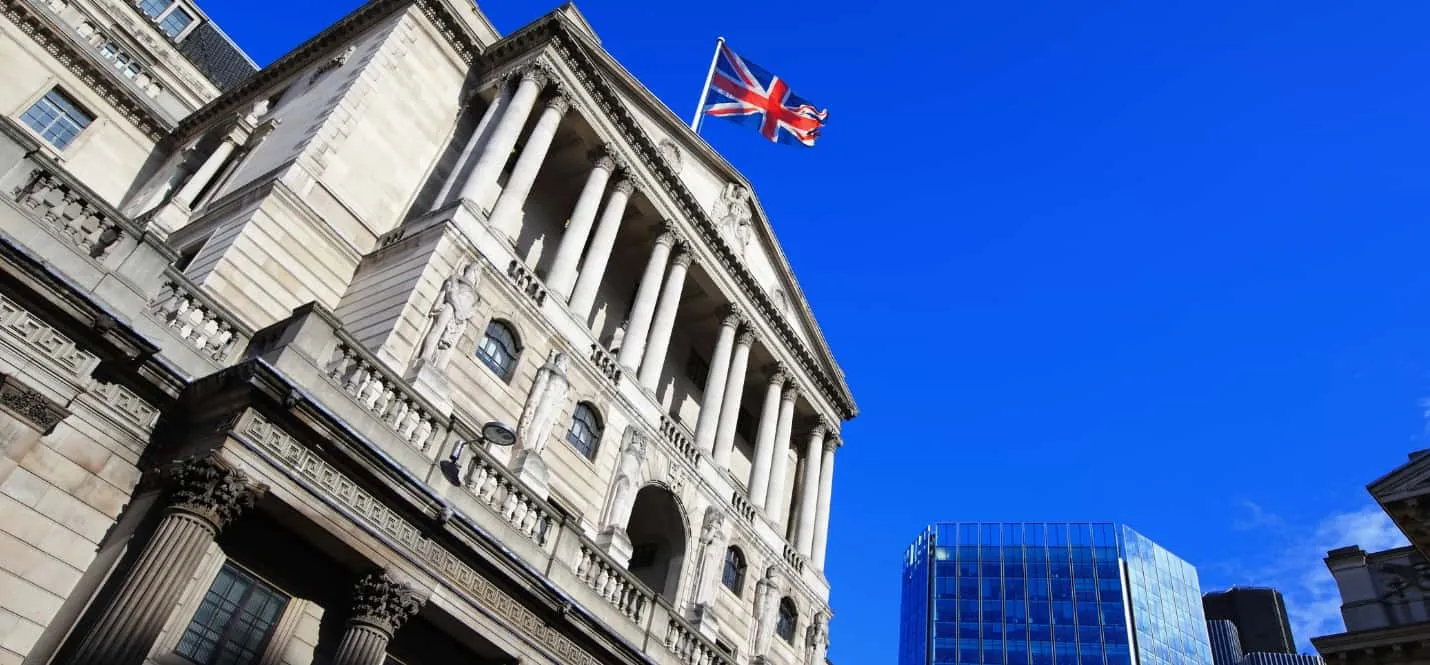

BOE Maintains Bank Rate at 4.00% in November Monetary Policy Decision
In the recent monetary policy meeting, the Bank of England (BOE) made the decision to maintain the bank rate at 4.00%, opting for stability amid mixed economic indicators. This decision comes after a period of aggressive rate hikes, addressing inflation concerns which have stirred economic debates across the United Kingdom.

Reasons Behind the Decision
The BOE’s decision to keep the interest rate steady was driven by a complex set of economic factors. Firstly, inflation, although slightly eased from previous highs, continues to be a significant concern. The central bank appears to be balancing efforts to temper inflation without overly stificking economic growth.
Energy prices, which had shown reductions due to government interventions and a milder-than-expected winter, played a key role in the moderation of inflationary pressures. However, underlying price pressures in the service sector, and wage growth, remain robust, complicating the inflation outlook.
Moreover, the UK’s economic growth has been tepid, with uncertainties looming due to global economic slowdown concerns. Economic data indicating soft consumer spending and investment hesitancy among businesses suggest a fragile economic environment that could be vulnerable to further rate hikes.
Market Response
The financial markets had largely anticipated the possibility of steadying interest rates, following clues from previous BOE communications suggesting a more cautious approach moving forward. The Pound saw slight fluctuations but remained mostly stable against other major currencies following the announcement. Equity markets responded positively, reflecting investor relief that the tightening cycle might be pausing, which could support business confidence and consumer spending.
Future Outlook
Looking ahead, the Bank of England has indicated that its future decisions will remain data-dependent. The central bank is poised to continue a careful monitoring of economic indicators, particularly wage growth and service sector prices, which could exert upward pressure on inflation. Additionally, the global economic outlook, including potential recession fears in major economies, will likely weigh heavily on future policy decisions.
Economists and analysts will also be watching for the impact of governmental fiscal policies, with any significant changes potentially prompting adjustments in monetary strategy. The BOE’s cautious stance may also closely watch the employment rates and public sentiment, both key indicators of economic health in the UK.
Conclusion
By holding the bank rate at 4.00%, the Bank of England reflects a strategic pause and cautious optimism, aiming to anchor inflation expectations while supporting the UK economy’s path to recovery. The decision underscores the challenges central banks globally face in transitioning from pandemic-era policies towards sustainable economic growth and stability in a landscape still full of uncertainties. As the situation evolves, all eyes will remain on the BOE for hints of future monetary policy shifts.
Related: More from Regulation & Policy | Paul Atkins: Trumps Crypto Legacy in Crypto Regulation | BOJ Examines Tokenized Central Bank Money for Digital Yen in 2026