
BlackRock CEO Larry Fink Compares Bitcoin and Cryptocurrency to Gold as a Speculative Investment Tool
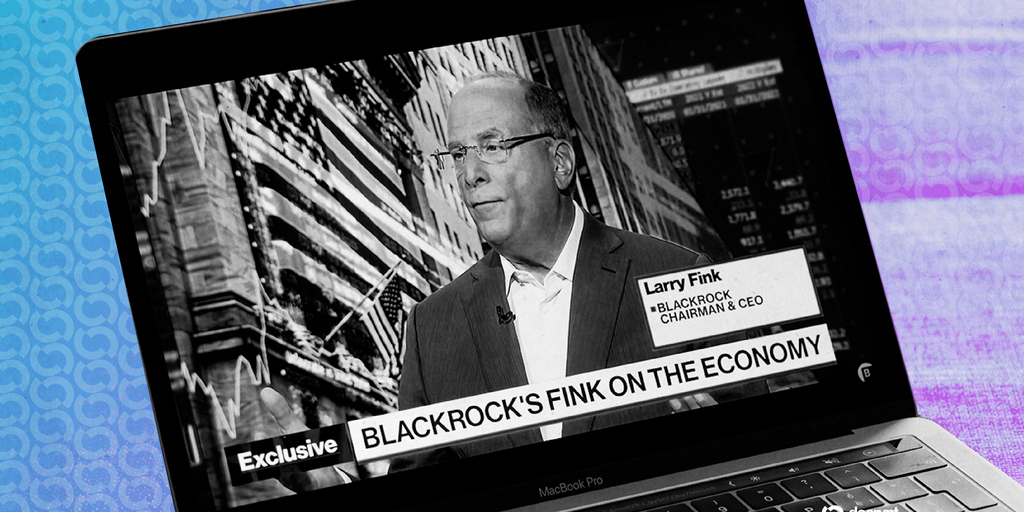
In a bold move that has sparked conversation across finance and technology sectors, bitcoin-etfs/" class="bpay-semantic-link" style="color:#0a7a64; font-weight:700; text-decoration:none;" target="_blank" rel="noopener">BlackRock CEO Larry Fink has recently made statements comparing Bitcoin and other cryptocurrencies to gold, highlighting their role in modern investment strategies. Known for his insightful, sometimes predictive views on global financial markets, Fink’s comparison raises interesting points regarding the evolving dynamics of speculative investments and the ever-changing landscape of asset classes.
Key Takeaways
The Function of Gold and Crypto in Modern Portfolios
Traditionally, gold has been viewed as a “safe haven” asset, often used by investors to hedge against inflation and currency devaluation. Its physical properties and scarcity have established gold as a store of value for centuries. However, in a digital age characterized by rapid technological progression and shifts in investor behavior, cryptocurrencies are emerging as a new form of speculative asset.
While speaking at a recent financial conference, Larry Fink articulated his perspective on cryptocurrencies, suggesting that like gold, they are primarily used as speculative investment vehicles rather than as practical instruments for daily transactions. He noted that the appeal of cryptocurrencies, much like gold, lies in their potential to hold value irrespective of traditional economic disruptions.
Market Volatility and Speculation
Fink underscored that both asset classes, gold and cryptocurrencies like Bitcoin, tend to attract higher interest during times of market volatility and economic uncertainty. For instance, during financial crises or periods of heightened geopolitical tensions, investors may flock to these assets in the hope that they will perform well independent of broader market downturns.
However, the BlackRock CEO was keen to highlight the stark differences in volatility between the two. Cryptocurrencies, and Bitcoin in particular, have shown much higher levels of price fluctuation compared to gold. This difference significantly impacts the risk profile of each asset and, subsequently, their attractiveness to different types of investors.
Institutional Interest and the Road Ahead
One critical point Fink touched upon was the growing institutional interest in cryptocurrency. With major companies and financial institutions beginning to hold and transact in Bitcoin and other cryptocurrencies, there is an acknowledgment within the financial community of their potential staying power and influence. However, Fink also expressed caution, noting that the regulatory environment surrounding cryptocurrencies remains uncertain and is likely to influence their future adoption and stability significantly.
BlackRock’s tentative steps into cryptocurrency, particularly through its offerings that allow clients exposure to Bitcoin, indicate that even traditionally conservative financial entities see potential value in this new asset class. It is a nod toward the growing acceptance of cryptocurrency as more than a mere speculative frenzy but as a potentially substantiating investment that mirrors, in some aspects, the characteristics historically attributed to gold.
Conclusion
While Larry Fink’s comparison of Bitcoin and cryptocurrency to gold does not equate them as identical assets, it does illuminate the evolving perception of what constitutes a valuable and dependable asset in the 21st century. Whether cryptocurrencies will stand the test of time as gold has remains to be seen. However, discussions like these are crucial as they open the floor to more research, debate, and understanding of cryptocurrencies’ place in global finance and investment strategies—signifying a significant shift in the landscape that even the world’s largest asset manager cannot ignore.