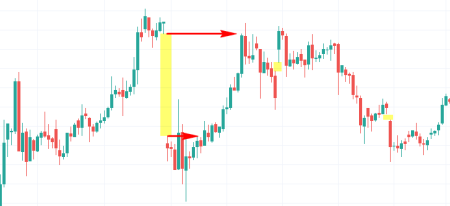



Bitcoin’s Rhythm is Off — Traders Sense the Disruption
In the ever-evolving landscape of cryptocurrencies, Bitcoin has long been the barometer for the health and trends of the wider market. Historically, its price movements have been somewhat predictable to those familiar with its cycles. However, recent observations suggest there’s a new pattern emerging, or rather, a disruption in the traditional “rhythm” that traders have come to rely on. This shift is causing unease among both seasoned and novice traders who find the current market dynamics both unfamiliar and unpredictable.

The Traditional Bitcoin Rhythm
Bitcoin, since its inception, has followed a series of speculative booms and busts, often driven by technological updates, regulatory news, or macroeconomic factors that could either boost or dampen investor sentiment. These movements, to some extent, became rhythmetically predictable with the advent of tools analyzing its volatility, trading volumes, and market sentiment. Experienced traders could sometimes predict price spikes and dips, timing their buying and selling decisions to capitalize on these fluctuations.
Sensing the Disruption
However, the current market scenario paints a different picture. Several factors are contributing to the disruption of Bitcoin’s rhythm:
-
Regulatory Changes: Around the world, governments are swiftly changing their stance on cryptocurrencies. Some are tightening regulations, while others are finding ways to incorporate digital assets into their formal economic systems. This varying regulatory landscape makes it difficult for traders to predict how these rules will impact the broader market.
-
Institutional Investment: The increase in institutional money flowing into Bitcoin was initially seen as a stabilizing factor. Yet, it also means that Bitcoin is now more intertwined with traditional financial markets than ever before. Hence, global economic shifts have a more pronounced effect on Bitcoin’s price movements.
-
Technological Innovations: The rapid pace of innovation in blockchain technologies and the emergence of competitors to Bitcoin can also unsettle established patterns. Developments like the Ethereum upgrade and the rise of decentralized finance (DeFi) applications divert attention and investment from Bitcoin.
- Social Media Influence: The influence of platforms like Twitter and Reddit has grown exponentially. A single tweet from a high-profile individual can cause significant market fluctuations — a complexity that traditional market rhythms could hardly account for.
Impact on Trading Strategies
This loss of a discernible rhythm is forcing traders to reconsider their strategies. Reliance on historical data is proving less effective, and there’s a marked shift towards real-time analytics and the adoption of more sophisticated trading algorithms. Moreover, risk management techniques are becoming more conservative, with a greater emphasis on diversification across various cryptocurrencies and other asset classes.
Looking Ahead
While the disruption in Bitcoin’s rhythm poses challenges, it also opens up opportunities for those who can adapt quickly to new market environments. Traders are increasingly required to maintain a keen eye on global economic indicators and remain flexible in their trading strategies.
Furthermore, this disruption may encourage more robust analytical tools and perhaps even lead to more stable long-term market conditions as cryptocurrencies mature and become more integrated into the global financial system.
In conclusion, as we witness these shifts, the essence of crypto-trading is evolving. The traders who will thrive in this new environment will be those who are not only reactive but also proactive in anticipating market shifts. As Bitcoin’s rhythm changes, so too must the strategies of those who trade it. A new era of crypto trading dawns, filled with both uncertainty and the promise of new possibilities.