
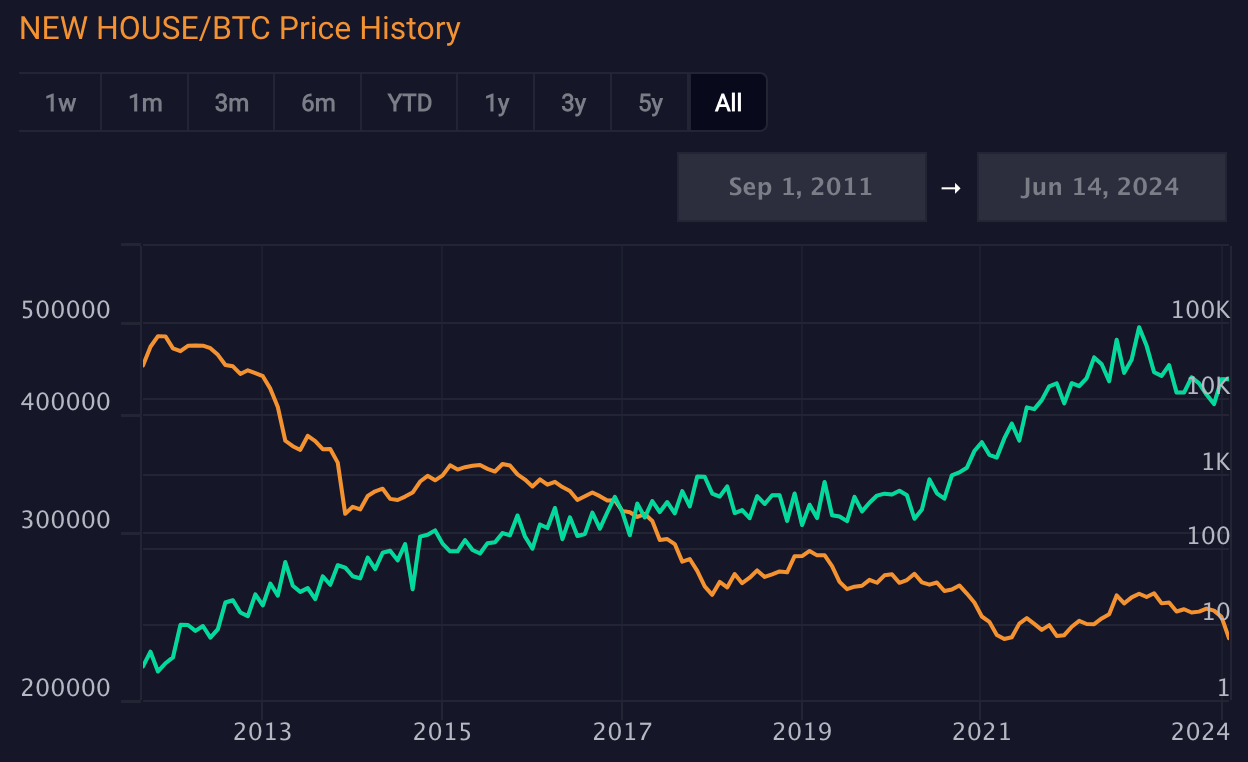

Bitcoin vs luxury homes: a topic that has gained significant traction among China’s affluent as they reevaluate their investments and stores of value. For years, owning high-end real estate in cities like Shenzhen has been a key component of preserving wealth and social status. However, recent discussions on platforms like Weibo have revealed a growing skepticism towards traditional property investments, prompting wealthy individuals to explore alternative assets like Bitcoin. This shift reflects changing luxury real estate trends as investors seek more liquidity and flexibility in their portfolios. As cryptocurrencies like Bitcoin emerge as potential competitors to properties, the conversation around how the wealthy designate their investment priorities is evolving dramatically.

The debate surrounding cryptocurrencies and upscale real estate investments represents a crucial turning point for investors in China. As ultra-high-net-worth individuals reconsider their strategies for maintaining wealth, luxury properties—historically seen as reliable assets—are now being juxtaposed with Bitcoin and other digital currencies. This intersection of luxury markets and cryptocurrencies highlights changing perspectives among the elite regarding investment strategies. The alluring nature of immediate liquidity offered by Bitcoin stands in stark contrast to the traditionally stable but cumbersome luxury real estate sector. As Chinese investors navigate this complex landscape, the dynamics of wealth preservation and asset allocation are undergoing a fundamental transformation.
Understanding Wealth Preservation Strategies in China
For centuries, owning luxury real estate in China has not only been a means to ensure financial security but also a symbol of prestige and social status. Premium apartments in bustling cities such as Shenzhen and Shanghai were traditionally viewed as stable investments. This belief stemmed from a culture where property ownership was synonymous with wealth preservation, particularly amid uncertain market conditions. However, with the rise of alternative investment options such as cryptocurrencies, the long-held notion that real estate is the best store of value is now being challenged.
Recent discussions on Chinese social media platforms showcase a growing trend among wealthy individuals reevaluating their investment strategies. The dialogue has shifted significantly, with affluent users openly comparing their luxury apartments to digital currencies like Bitcoin and cryptocurrencies such as BNB. It highlights a noteworthy transition in the investment landscape, where long-standing views on the security of property investments are increasingly questioned. As investors seek greater financial flexibility, understanding these motivations becomes crucial.
The Rise of Bitcoin: A New Store of Value?
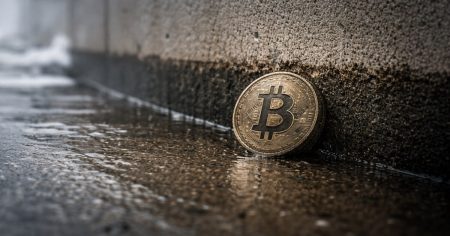
Initially designed as a digital cash alternative, Bitcoin has evolved into what many now refer to as ‘digital gold.’ Its fixed supply makes it resistant to inflationary pressures that might affect conventional assets like luxury real estate. As conversations around cryptocurrency gain traction among affluent Chinese investors, it is clear that Bitcoin is being viewed not merely as a speculative asset, but rather as a reliable store of value in times of economic uncertainty. This perspective is especially relevant given the volatility and risks associated with the real estate market.
The appeal of Bitcoin lies in its liquidity and potential for rapid transaction execution. For high-net-worth individuals in China, the ability to liquidate assets swiftly is becoming more attractive, particularly in an environment where property transactions can be cumbersome and subject to regulatory scrutiny. Furthermore, the perception of cryptocurrencies as portable reserves further emphasizes their rising status, reflecting a broader shift in financial priorities among younger generations who are wary of traditional property investments.
Luxury Real Estate Trends Among Chinese Investors
Despite the ongoing reassessment of asset classes, luxury real estate still holds appeal among many in China; however, its role is evolving. Historically regarded as a relatively safe harbor, the luxury property market is now facing skepticism due to the illiquidity of high-value assets and growing regulatory concerns. Wealthy individuals who purchased premium properties with expectations of stability now find themselves reevaluating their positions in light of recent economic changes and market trends.
Today’s affluent investors are increasingly expressing anxiety over the long-term viability of their real estate investments. This is evident in discussions about certain high-value properties in Shenzhen Bay, where individuals express fears of significant depreciation. For older generations who once viewed property as a guaranteed path to wealth, the shift toward alternative investments such as cryptocurrencies symbolizes a paradigm shift in what constitutes a secure investment for the future.
Luxury Homes versus Cryptocurrency: A Comparative Analysis
As the debate between luxury homes and cryptocurrencies intensifies, several factors emerge that influence investor preferences. Real estate has long been seen as a tangible and stable asset, often perceived as a hedge against economic uncertainty. However, the liquidity and flexibility afforded by cryptocurrencies have ignited a new discussion on asset allocation and risk management. Investors are beginning to weigh the benefits of owning property against the operational advantages of digital assets.
In essence, the choice between investing in luxury properties or cryptocurrencies like Bitcoin reveals varying perspectives on wealth and investment. While luxury homes may offer perceived stability, the potential for rapid liquidity in cryptocurrencies aligns more closely with the dynamic nature of global finance. As the landscape of investment strategies evolves, Chinese investors are learning to balance traditional methods with innovative financial tools, leading to a significant reassessment of their portfolios.
Chinese Investors’ Perspectives on Modern Investment Strategies
The perspectives of affluent Chinese investors reveal a transformative shift in how wealth is managed and perceived in contemporary society. The cultural significance attached to property has been challenged by emerging trends that prioritize liquidity, portability, and global integration. With younger investors advocating for flexibility in their portfolios, there is an observable generational divide in attitudes toward traditional assets like luxury real estate.
As these wealthy individuals increasingly voice their opinions on various platforms, it reflects a collective reassessment of what constitutes a reliable store of value. This shift in perspective points to a future where traditional investments are no longer viewed in isolation but rather evaluated alongside emerging asset classes such as cryptocurrencies. The dialogue among investors is shifting toward an informed understanding of risk and opportunity,
Regulatory Considerations in Real Estate Versus Cryptocurrency Markets
Navigating regulatory frameworks is becoming a significant factor influencing investment decisions in both the real estate and cryptocurrency sectors. Luxury real estate transactions often invite scrutiny from tax authorities, making buyers more aware of the potential liabilities associated with high-value properties. As regulations tighten, the visibility of ownership and transactions can pose substantial risks, leading to a decline in the desirability of property among savvy investors.
In contrast, the relatively decentralized nature of cryptocurrencies offers a layer of operational flexibility. The ability to engage in swift transactions without extensive bureaucratic hurdles allows investors to react to market shifts nearly in real-time. This stark difference underscores the appeal of digital assets, as they diminish the regulatory burdens that accompany traditional property investments, giving wealthy individuals renewed autonomy over their financial strategies.
The Future of Wealth Management in China
As the conversation around Bitcoin and luxury homes continues to gain traction, it is essential to consider the broader implications for wealth management in China. The dynamic nature of global markets compels affluent investors to be agile, balancing risks associated with traditional assets and the exciting prospects offered by digital currencies. This duality signifies a changing landscape where diversification becomes key to maintaining financial stability.
Furthermore, as younger generations inherit wealth and redefine their investment philosophies, it is critical for financial advisors to adapt their strategies. Understanding the motivations and values of these emerging investors will be paramount in building portfolios that reflect both traditional assets and modern opportunities. The blend of luxury real estate and cryptocurrency illustrates the ongoing evolution of investment strategies among China’s wealthy elite.
Intergenerational Perspectives on Property and Investments
The dialogue on Bitcoin versus luxury homes reveals significant intergenerational differences among Chinese investors. Older generations, accustomed to a society where property equity was a reliable source of wealth, often hold firm beliefs in the stability properties provide. They view homes as long-term investments that guarantee family legacy and intergenerational wealth preservation.
Conversely, younger investors seem less enamored with the idea of tying their wealth to traditional assets. Many now opt for diversified portfolios that include cryptocurrencies and other liquid assets, reflecting an overarching trend toward financial liberation. This generational dichotomy may ultimately shape the future of investment preferences in China, as new wealth holders increasingly prioritize flexibility and innovation over traditional markers of success.
The Dynamics of Liquidity in Wealth Investments
One of the core discussions surrounding Bitcoin and luxury homes hinges on the concept of liquidity—the ease with which an asset can be converted into cash. Luxury real estate markets are often bogged down by lengthy selling processes and market fluctuations, making them less attractive in times of economic uncertainty. Investors now recognize the crucial importance of liquidity in safeguarding their wealth, especially in a rapidly changing global finance landscape.
Bitcoin, along with other cryptocurrencies, offers immediate access to liquidity, propelling it into valuable discussions regarding asset allocation. As wealthy investors seek instruments that facilitate quick and efficient transactions, the preference for cryptos has risen. This shift from traditional investments toward digital currencies may redefine how wealth is accumulated and preserved, underscoring the necessity of understanding market trends and investor behavior in a competitive landscape.
Frequently Asked Questions
How are wealthy Chinese individuals comparing Bitcoin to luxury homes as stores of value?
Wealthy Chinese individuals are increasingly comparing Bitcoin to luxury homes as potential stores of value on social media platforms like Weibo and Xiaohongshu. This comparison arises from a growing belief that Bitcoin offers greater liquidity and less regulatory scrutiny than luxury real estate, which has traditionally been seen as a stable investment but is now viewed as illiquid and overly visible to authorities.
What trends are emerging in luxury real estate investment among China’s wealthy against Bitcoin?
Recent trends indicate that many wealthy Chinese investors are reassessing luxury real estate investments in favor of Bitcoin due to its liquidity and ease of access. Discussions among affluent individuals reveal concerns about the long-term stability of high-value properties, leading them to explore cryptocurrency as a more flexible and less burdensome alternative.
Why is Bitcoin considered a better option than luxury homes for some investors?
Bitcoin is viewed as a more attractive investment compared to luxury homes due to its portability and fluid market. Investors appreciate Bitcoin’s potential to serve as a hedge against economic instability, allowing for quick sales and adjustments to positions, unlike luxury homes, which can take time to sell and are subject to regulatory pressures.
How do generational differences affect perspectives on Bitcoin versus luxury homes in China?
Generational differences play a significant role in the Bitcoin versus luxury homes debate. Older generations tend to trust traditional real estate as a stable investment, having benefitted from property value appreciation over the years. In contrast, younger wealthy individuals often prioritize liquidity and flexibility, viewing Bitcoin as a more convenient and responsive asset in today’s fast-moving financial landscape.
What impact do regulatory concerns have on the investment choices of Chinese wealthy in Bitcoin versus luxury homes?
Regulatory concerns significantly impact investment choices among wealthy individuals in China. Luxury homes are increasingly seen as burdensome due to potential tax scrutiny and the visibility of transactions to regulators. In contrast, Bitcoin and other cryptocurrencies are perceived as more discreet and adaptable, leading many investors to favor these digital assets over traditional luxury properties.
In what ways are luxury real estate markets in China adjusting to the rise of Bitcoin and cryptocurrencies?
The luxury real estate markets in China are adjusting by responding to changes in investor preferences, as the traditional perception of real estate as a primary store of value is challenged by the rise of Bitcoin and cryptocurrencies. Investors are now considering the need for liquidity and flexibility, leading to a shift in investment strategies and potentially affecting property values and investment flows.
What are the implications of the Bitcoin versus luxury homes debate for future investments in China?
The implications of the Bitcoin versus luxury homes debate suggest a potential shift in the investment landscape in China, where digital assets may start to play a more prominent role in wealth preservation strategies. As wealthy investors reassess the risks and benefits of owning luxury properties in light of liquidity concerns and regulatory scrutiny, we may see a diversification in portfolios that increasingly favors cryptocurrencies.
| Key Points | Details |
|---|---|
| Luxury Real Estate as a Store of Value | Historically central in China for wealth preservation, symbols of status and financial security. |
| Changing Perspectives | Wealthy investors are re-evaluating luxury homes against assets like Bitcoin, viewing them as less liquid and more visible to regulators. |
| Cultural Significance of Property | Ownership represented stability and success but is now reassessed amid economic pressures. |
| Perception of Bitcoin | Transitioning from ‘electronic cash’ to ‘digital gold’, focusing on liquidity and portable reserves. |
| Generational Differences | Older generations retain faith in real estate; younger investors seek liquidity and flexibility in crypto assets. |
| Regulatory Scrutiny | High-value real estate transactions face increased scrutiny, while cryptocurrencies offer more operational flexibility. |
Summary
The debate surrounding Bitcoin vs luxury homes highlights a significant shift in how China’s wealthy perceive and prioritize their stores of value. As traditional luxury real estate faces scrutiny over liquidity and regulatory concerns, Bitcoin emerges as a flexible alternative, appealing to younger investors looking for portable reserves. This evolving perspective underscores a broader reassessment of investment strategies among affluent individuals in China, suggesting that while luxury homes have historically been a cornerstone of wealth, their dominance is being challenged by modern digital assets.